Welding & Assembly
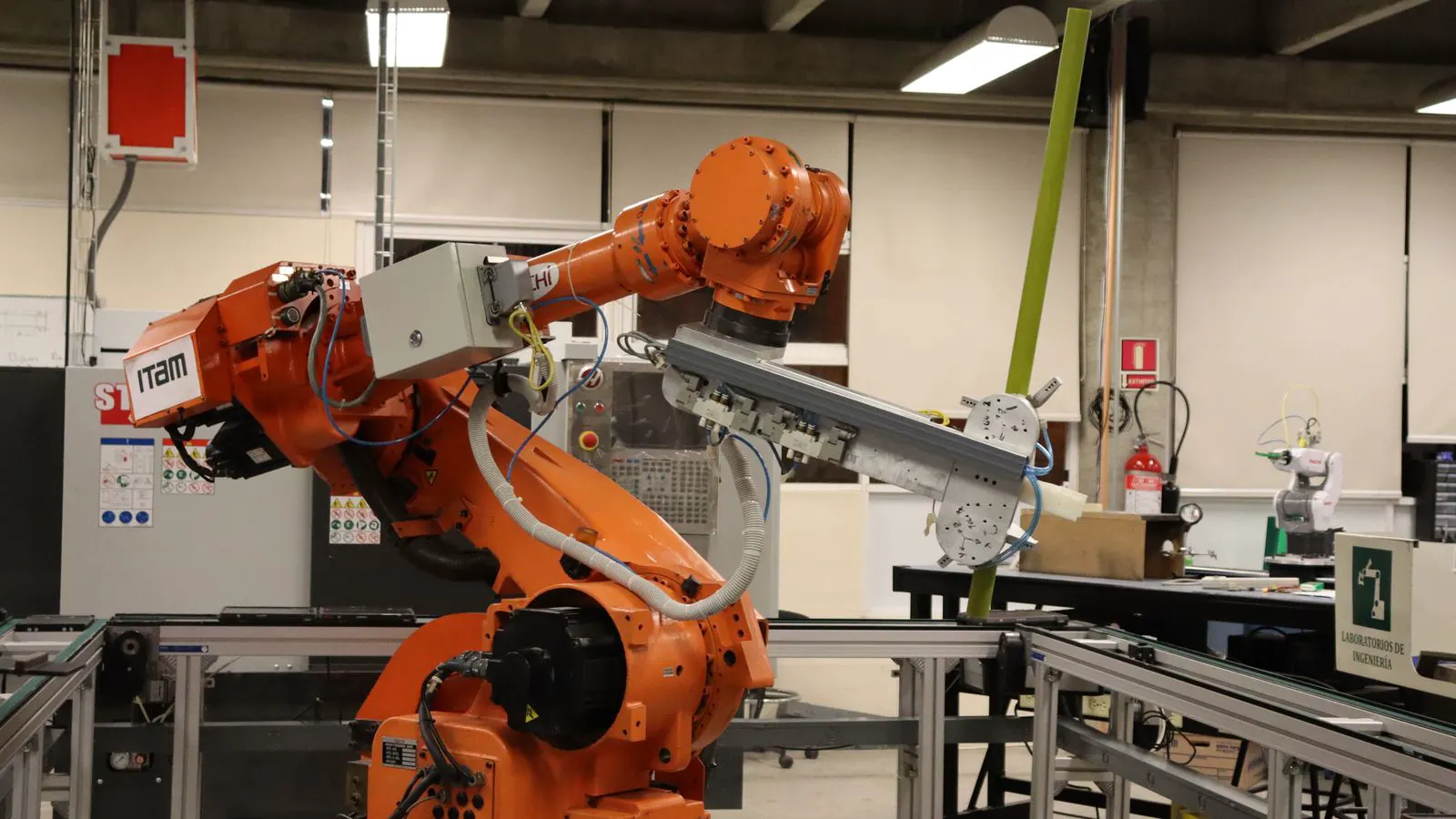
Outlook: Robotics in Sheet Metal Welding Production
Sheet metal welding robotics changes production by replacing manual variability with programmed repeatability. This guide outlines six shifts in speed, consistency, and
Explore welding techniques and assembly practices used to build strong, durable sheet metal structures.
Sheet metal welding robotics changes production by replacing manual variability with programmed repeatability. This guide outlines six shifts in speed, consistency, and
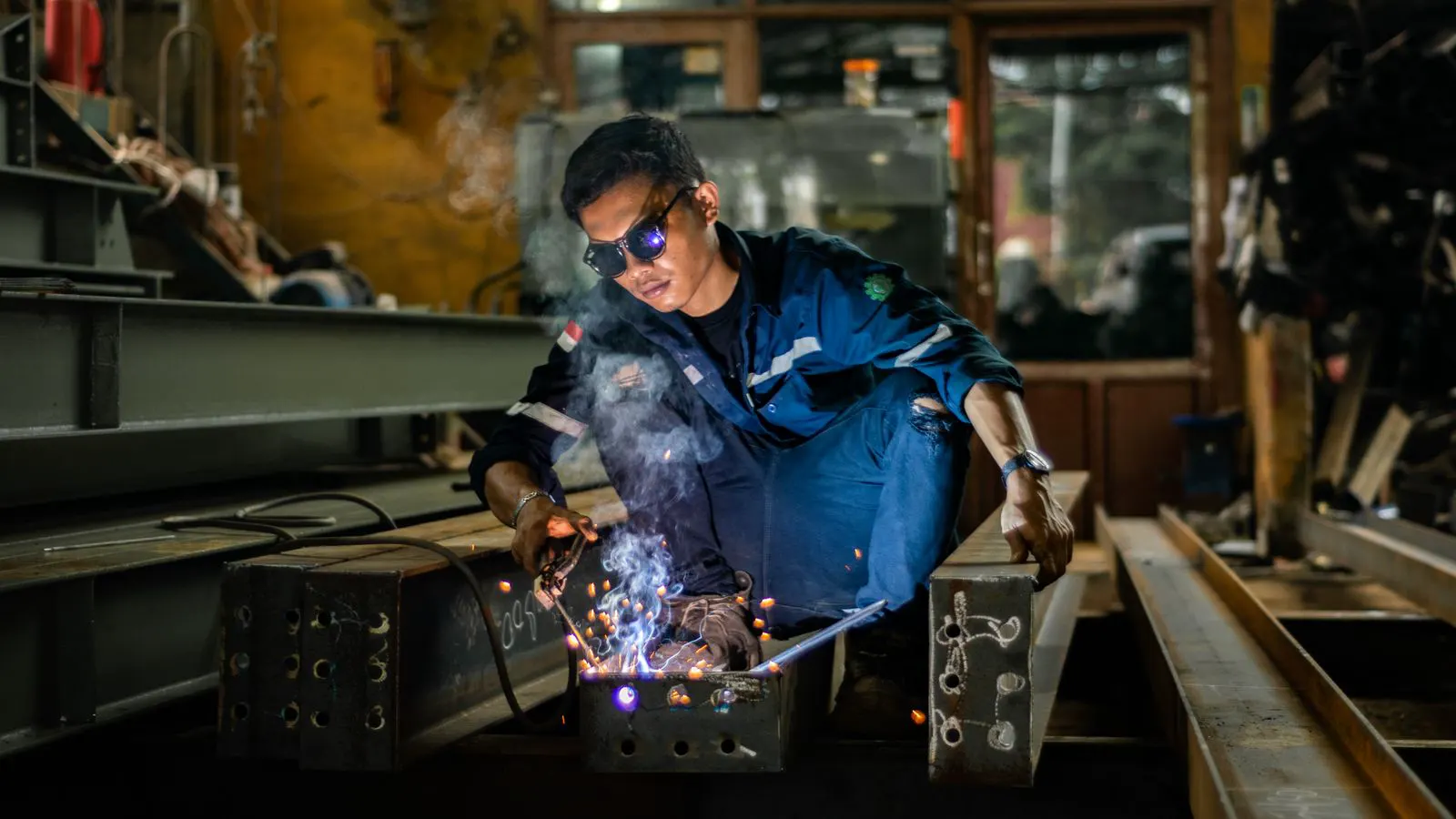
Verify welder qualifications by checking certification records against specific materials and processes. Confirm the welder has passed tests for your exact alloy
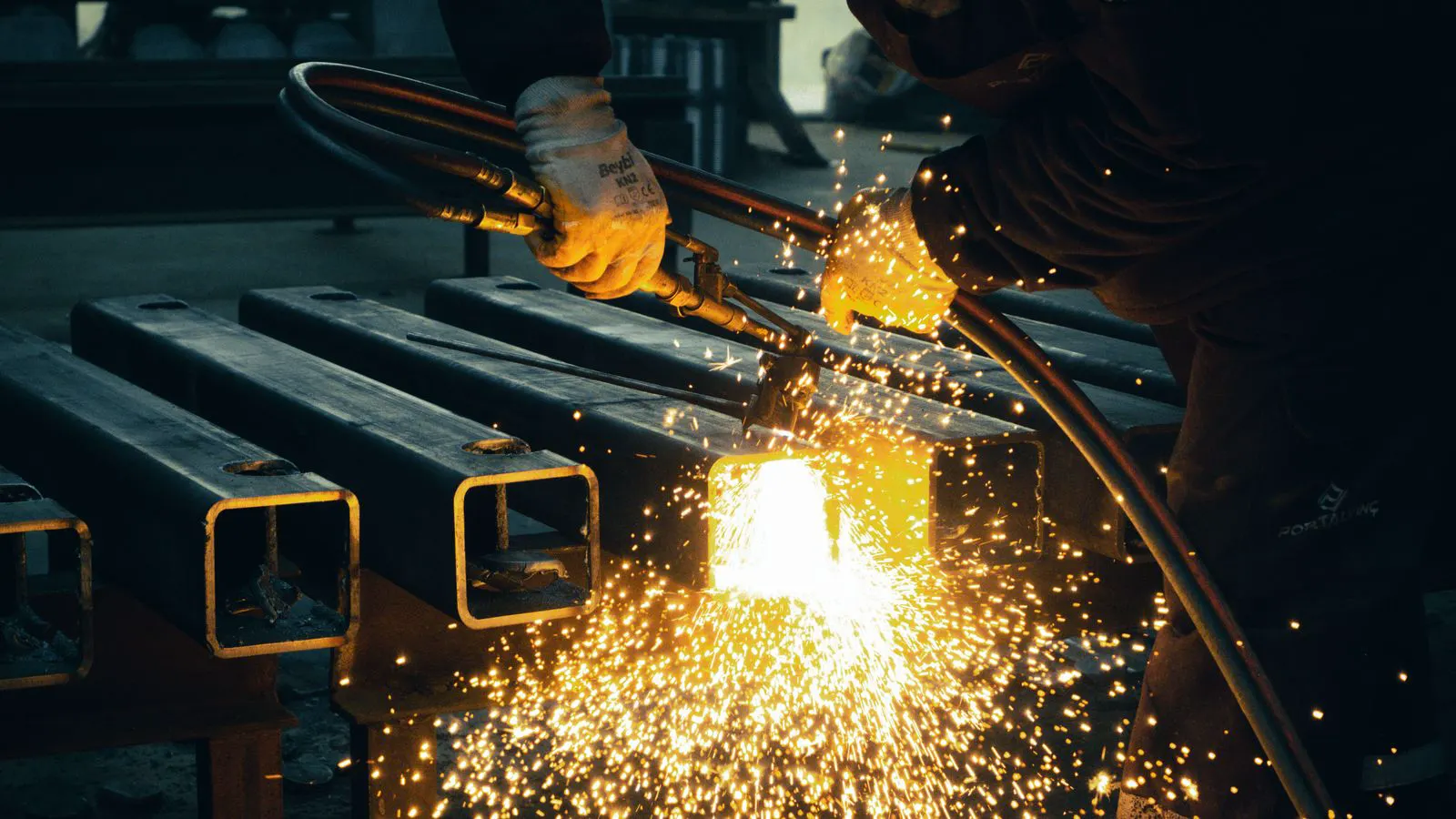
Sheet metal gas shielding uses inert gas to block oxygen from molten welds. Proper selection prevents oxidation, porosity, and weak joints. Buyers should specify gas

Verify weld fit-up by checking gap size, alignment, and material preparation. This audit checklist helps prevent distortion and rejects work before welding begins. It
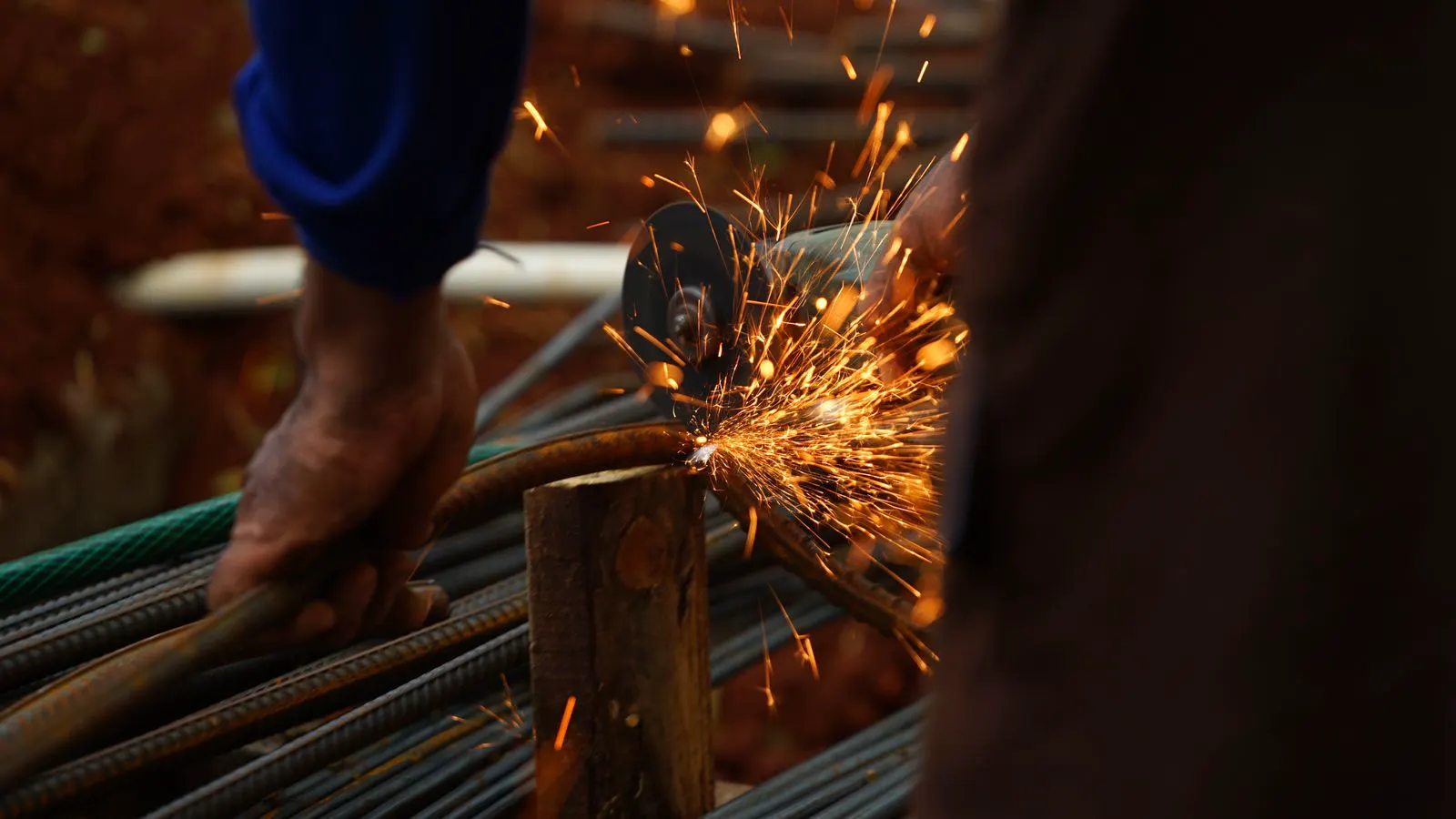
Specify weld penetration depth in sheet metal RFQs by defining material thickness, joint type, and acceptance criteria. Use standard terminology, reference applicable
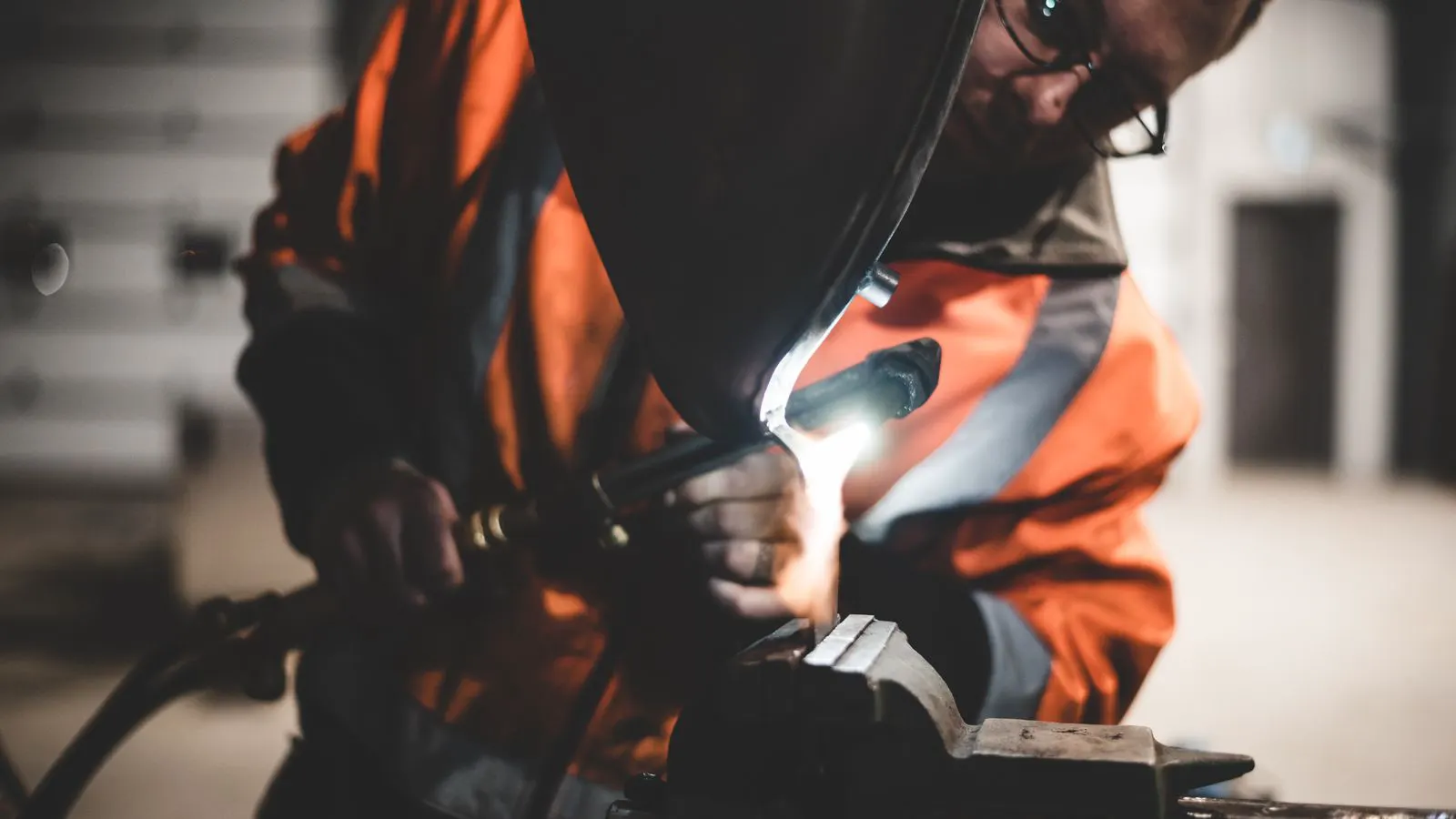
TIG welding offers superior finish and control for visible stainless sheet work, while MIG welding delivers faster travel speeds for production runs. Choose based on
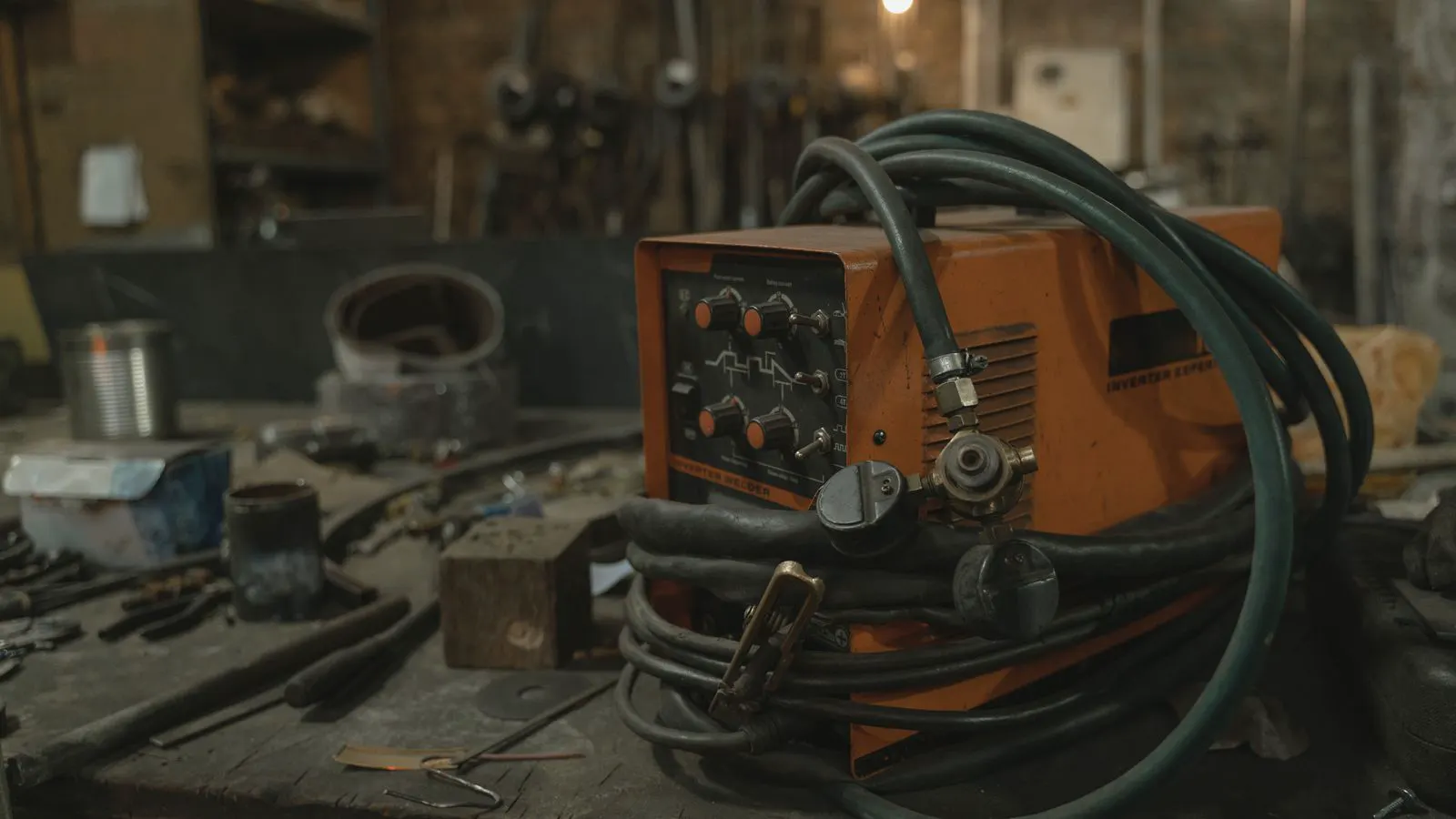
Wire feeding speed controls the wire deposition rate, which changes weld penetration, heat input, and bead profile. For sheet metal, the wrong speed causes burn-through

Evaluate sheet metal welding vendors by matching their process capabilities to your specific alloy and thickness. Check TIG or MIG proficiency, fixture design, and
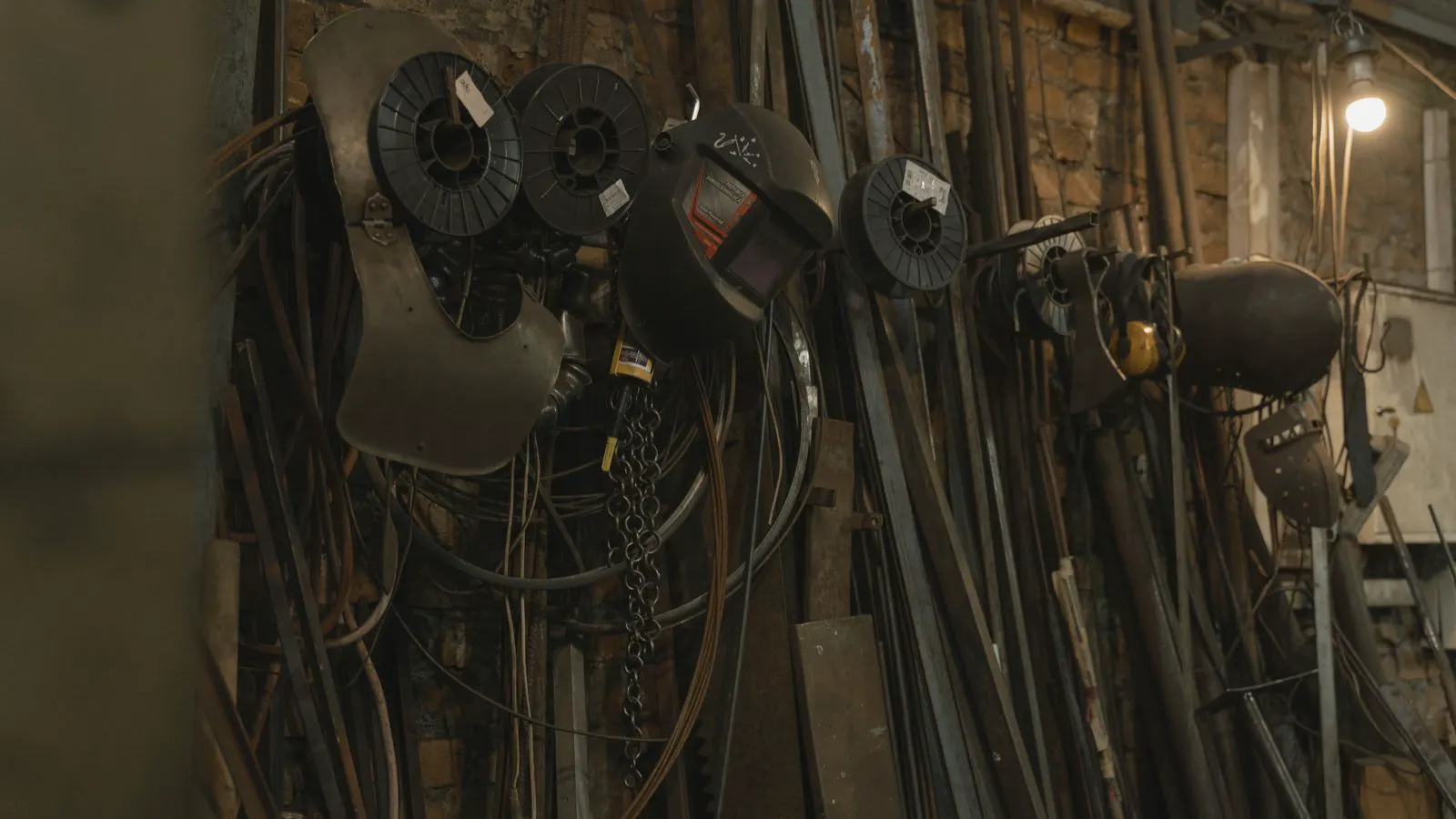
Reduce sheet metal heat distortion by controlling heat input, using back-up bars, and planning weld sequences. Proper fixture design and cooling methods keep part
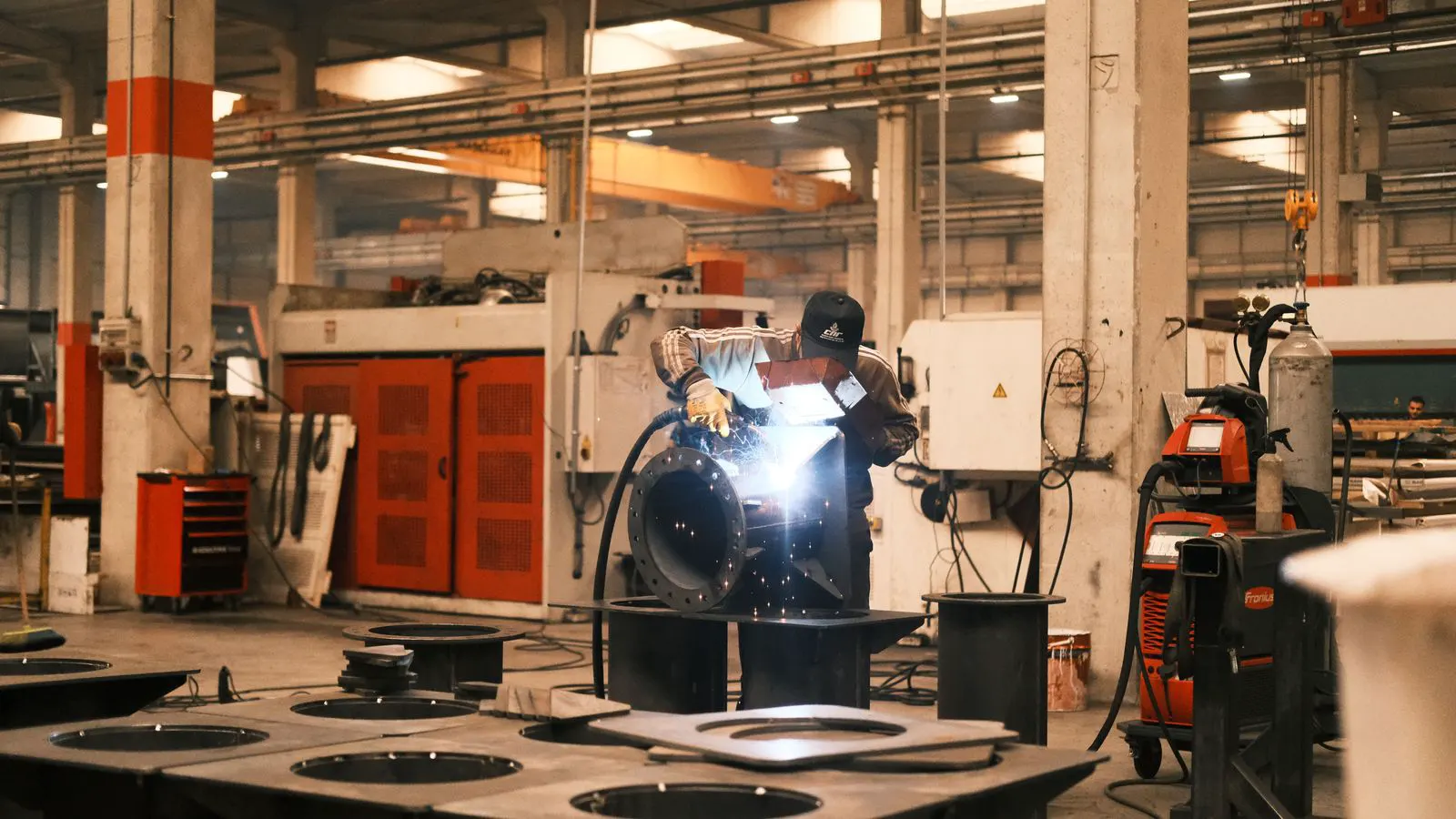
Spot welding joins parts at discrete points using high current, ideal for flat, thin sheet metal. Seam welding creates continuous welds for pressure vessels. Choose
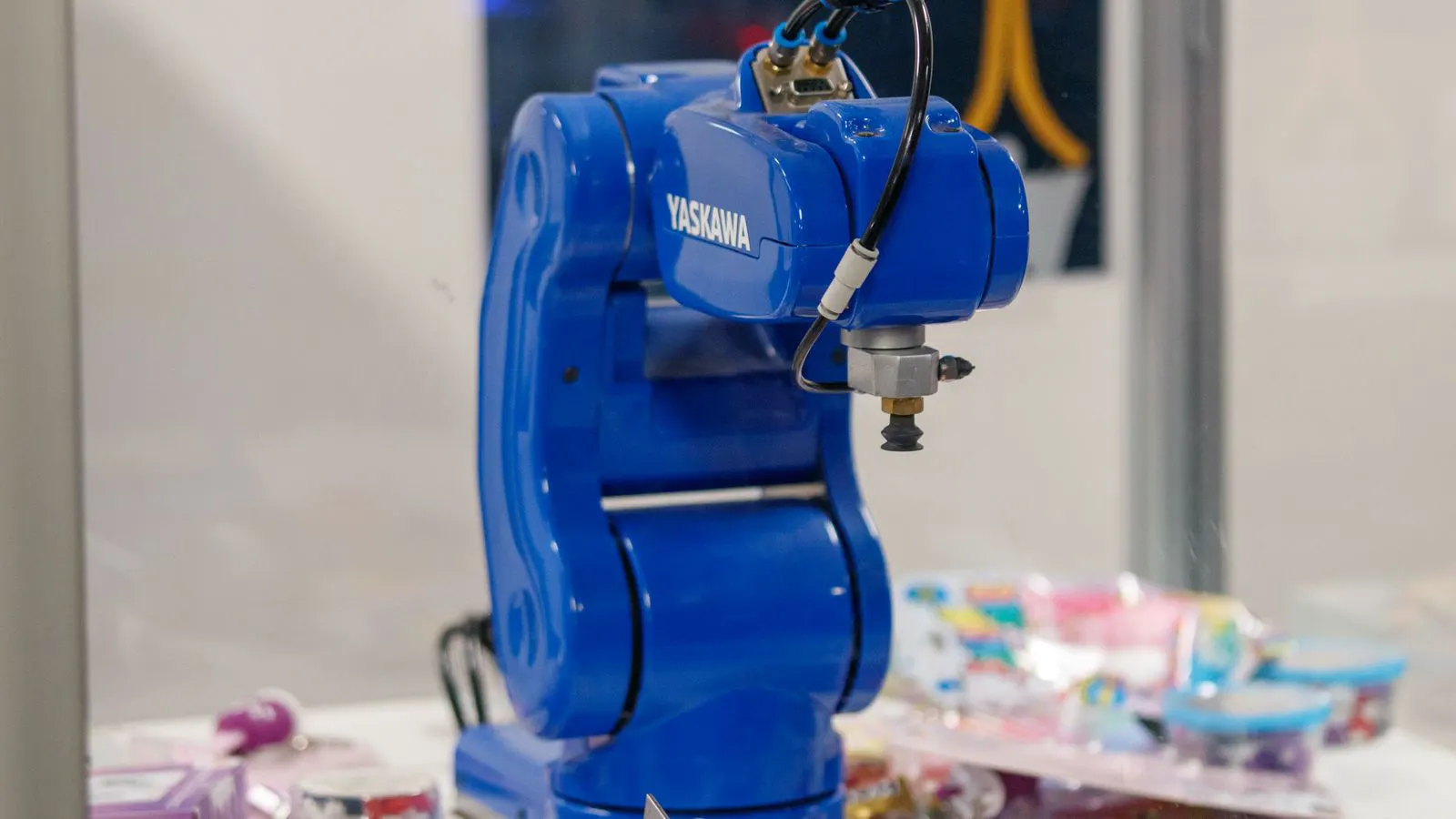
Automated sheet metal welding changes production speed, labor requirements, and quality consistency. This outlook details five shifts buyers should plan for, including
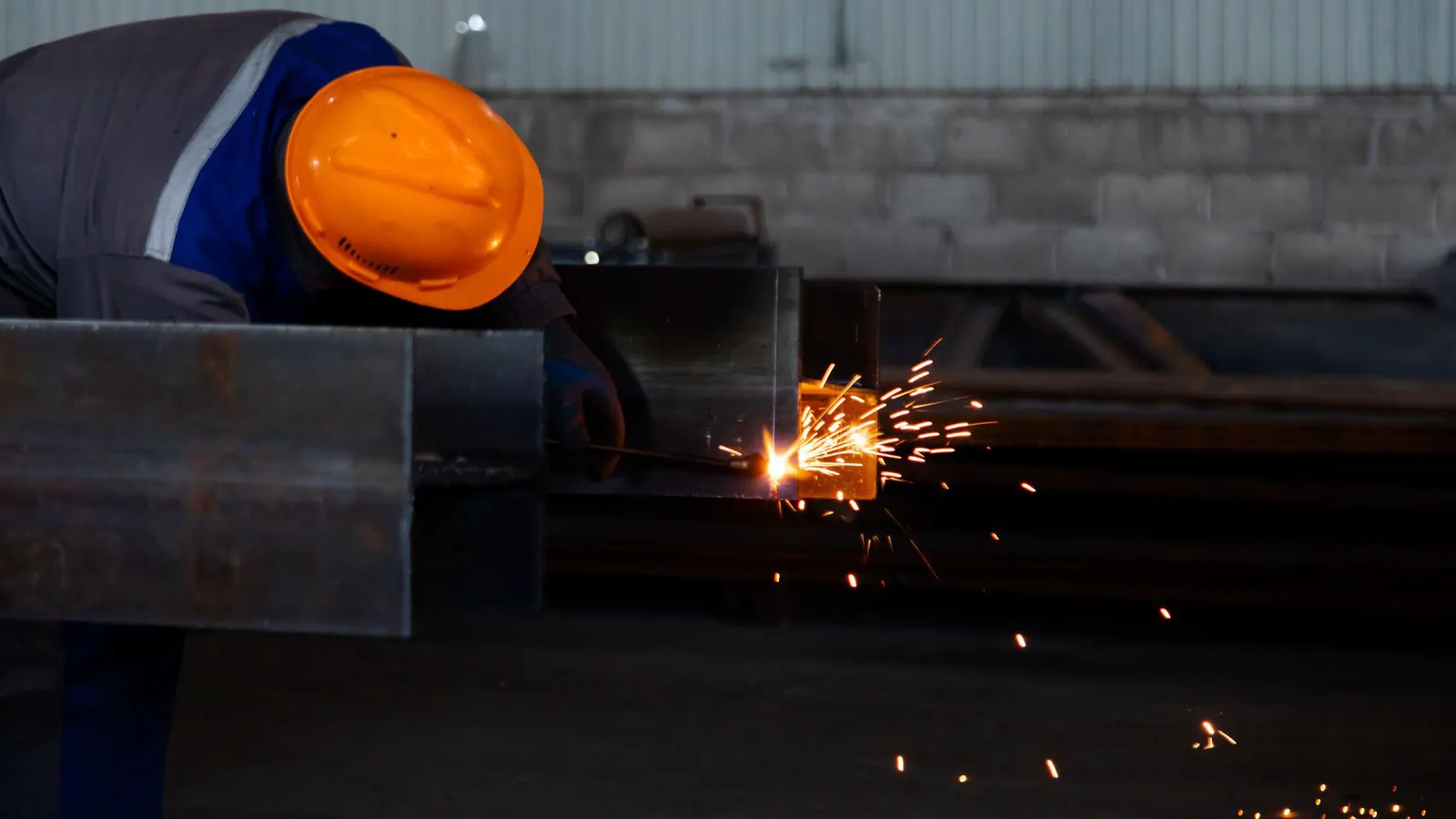
Thin sheet welding burn-through happens when heat exceeds material thickness. Reduce travel time, lower amperage, and use proper backing. Check joint fit-up and