
Cost & Lead Time
How Sheet Thickness Affects Fabrication Cost and Lead Time
Sheet metal thickness cost is driven by material weight, machine tooling, labor hours, and finishing. Thicker gauges increase material spend and press tonnage. Thinner
See how material, labor, and complexity shape sheet metal pricing and delivery timelines for your project.
Sheet metal thickness cost is driven by material weight, machine tooling, labor hours, and finishing. Thicker gauges increase material spend and press tonnage. Thinner

Imported sheet metal defects often stem from unclear specs, material mismatches, or missing paperwork. This guide lists the most common symptoms, explains the likely

Offshore fabrication often offers lower base labor costs, but import costs, shipping delays, and compliance reviews can erase those savings. Onshore local fabrication
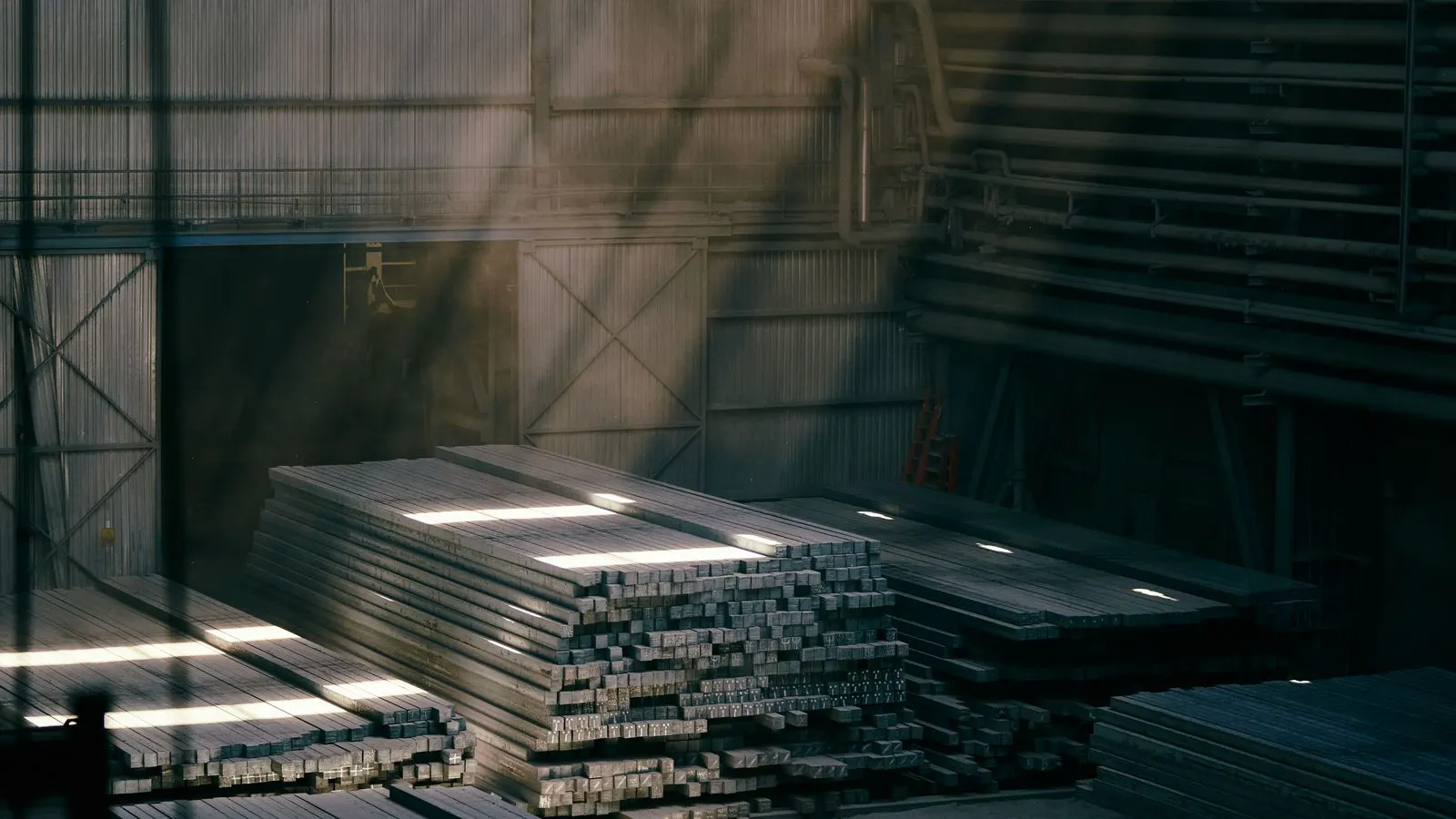
Before importing sheet metal parts, verify customs documentation, material certification, and commercial invoices. This audit checklist identifies missing items and

Offshore sourcing introduces distinct risks to imported sheet metal parts. Buyers must plan for logistics delays, material verification gaps, and geopolitical shifts.

A structured quote review checklist helps buyers verify material, labor, tooling, and shipping costs in a sheet metal quote. This guide highlights common line item gaps

Reducing sheet metal lead time requires DfM changes that simplify bending, joining, and finishing. This guide shows how to modify CAD files to shorten the fabrication
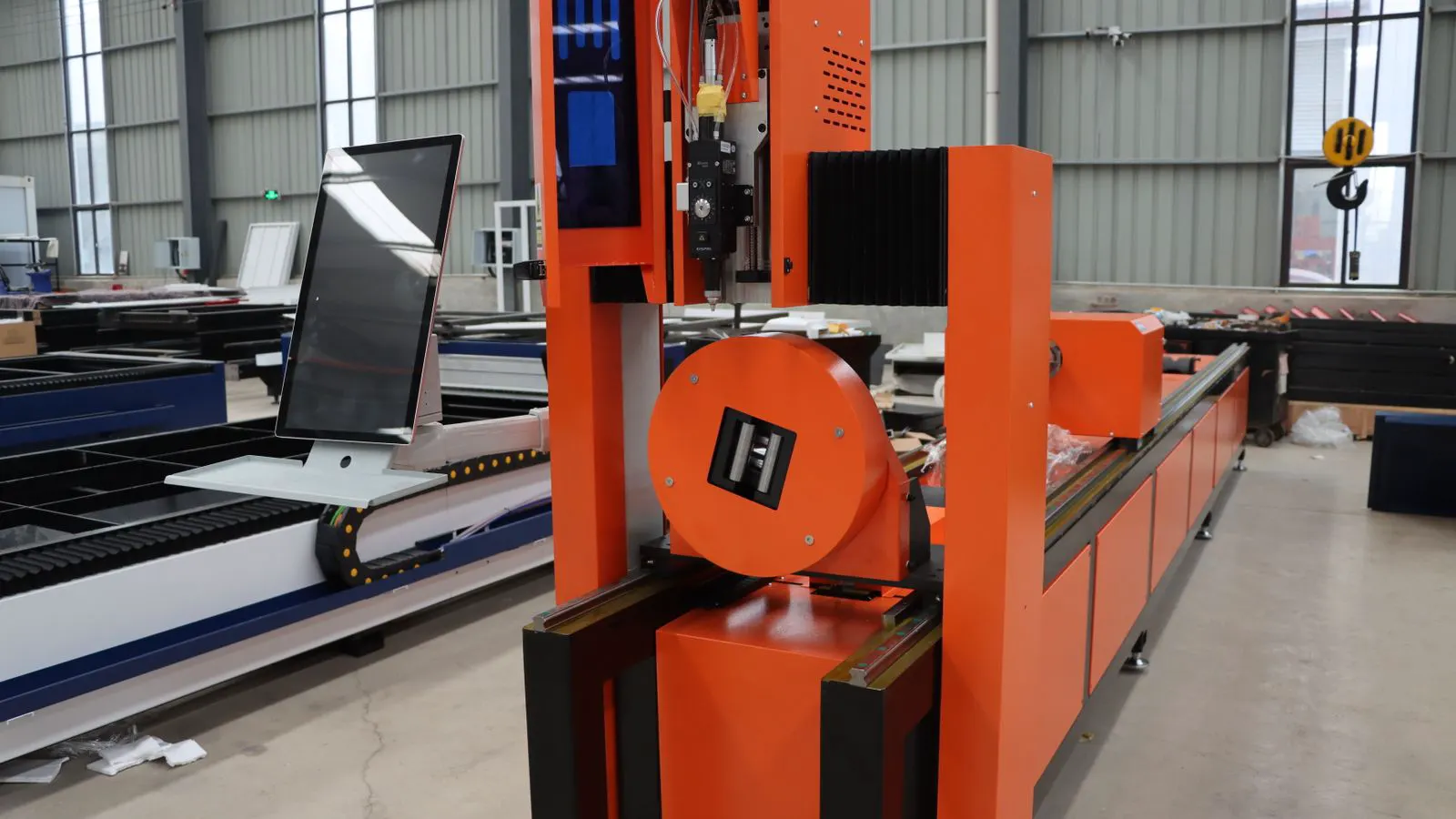
Choose laser cutting for thin to medium sheet metal when high speed and fine detail matter. Select waterjet for thick materials or abrasive finishes. The final decision

Sheet metal cost depends on raw material indices and fabrication pricing. This guide explains how steel and aluminum indices drive price changes, how to read quotes, and

Stainless 316 costs more than 304 due to molybdenum content, affecting total material spend. Lead times vary based on stock status; 304 is widely available, while 316

A structured audit checklist helps buyers verify sheet metal material certs. It covers mill certificate data, alloy composition checks, and red flags to catch mismatches

A well-structured sheet metal RFQ reduces pricing variance by grouping technical data logically. Including a clear template for materials, tolerances, and quantities