Design for Manufacturability
Checklist: Sheet Metal Material Substitution Approval
Procurement teams need a structured method to approve sheet metal substitutions without compromising structural integrity. This checklist covers mechanical equivalence
Oct 7, 2026 · 6 min read
Design for Manufacturability
Explainer: Sheet Metal Nesting for Cost Efficiency
Sheet metal nesting determines how many parts fit on a single sheet, directly controlling scrap and material cost. It affects blank size selection, supplier quotes, and
Oct 6, 2026 · 11 min read
Design for Manufacturability
How to Specify Sheet Metal Edge Finish in RFQs
Specify sheet metal edge finish by defining surface condition, tolerance, and inspection method. Use clear language to describe bevels, burrs, and coatings. This guide
Oct 5, 2026 · 9 min read
Design for Manufacturability
Comparison: Sheet Metal Powder Coating vs. Anodizing
Powder coating offers thicker, more durable protection with broad color options. Anodizing provides a hard, integral surface finish with limited color depth. Choose
Oct 5, 2026 · 6 min read
Design for Manufacturability
Explainer: Sheet Metal DfM for Weldable Joints
Sheet metal dfm for weldable joints focuses on geometry and clearances that allow welders to reach every seam. Proper joint design prevents rework, ensures penetration
Oct 5, 2026 · 7 min read
Design for Manufacturability
Comparison: CNC Bending vs Manual Bending for Sheet
CNC bending offers higher repeatability and faster throughput for high-volume sheet metal forming. Manual bending remains useful for low-volume or one-off parts. The
Oct 5, 2026 · 7 min read
Design for Manufacturability
How to Reduce Sheet Metal Scrap with DfM Rules
Reduce sheet metal scrap by standardizing flat patterns, aligning kerf losses, and reviewing bend allowances. These design choices lower material waste and cut rework
Oct 5, 2026 · 7 min read
Design for Manufacturability
Outlook: AI-Driven Nesting for Sheet Metal Production
AI nesting is changing how sheet metal fabrication teams plan material usage. It optimizes part placement, reduces offcuts, and improves cost predictability. Buyers
Oct 5, 2026 · 7 min read
Design for Manufacturability
Checklist: DfM Review Before Sending Sheet Metal Drawings
This audit checklist verifies sheet metal design for manufacturability before submission. It groups checks by theme to catch bend radius, clearance, material, and flat
Oct 5, 2026 · 8 min read
Design for Manufacturability
Comparison: Laser vs Waterjet Cutting
Laser cutting excels in speed and fine detail for thin sheet metals, while waterjet cutting handles thick, abrasive, or heat-sensitive materials without a heat affected
Oct 5, 2026 · 5 min read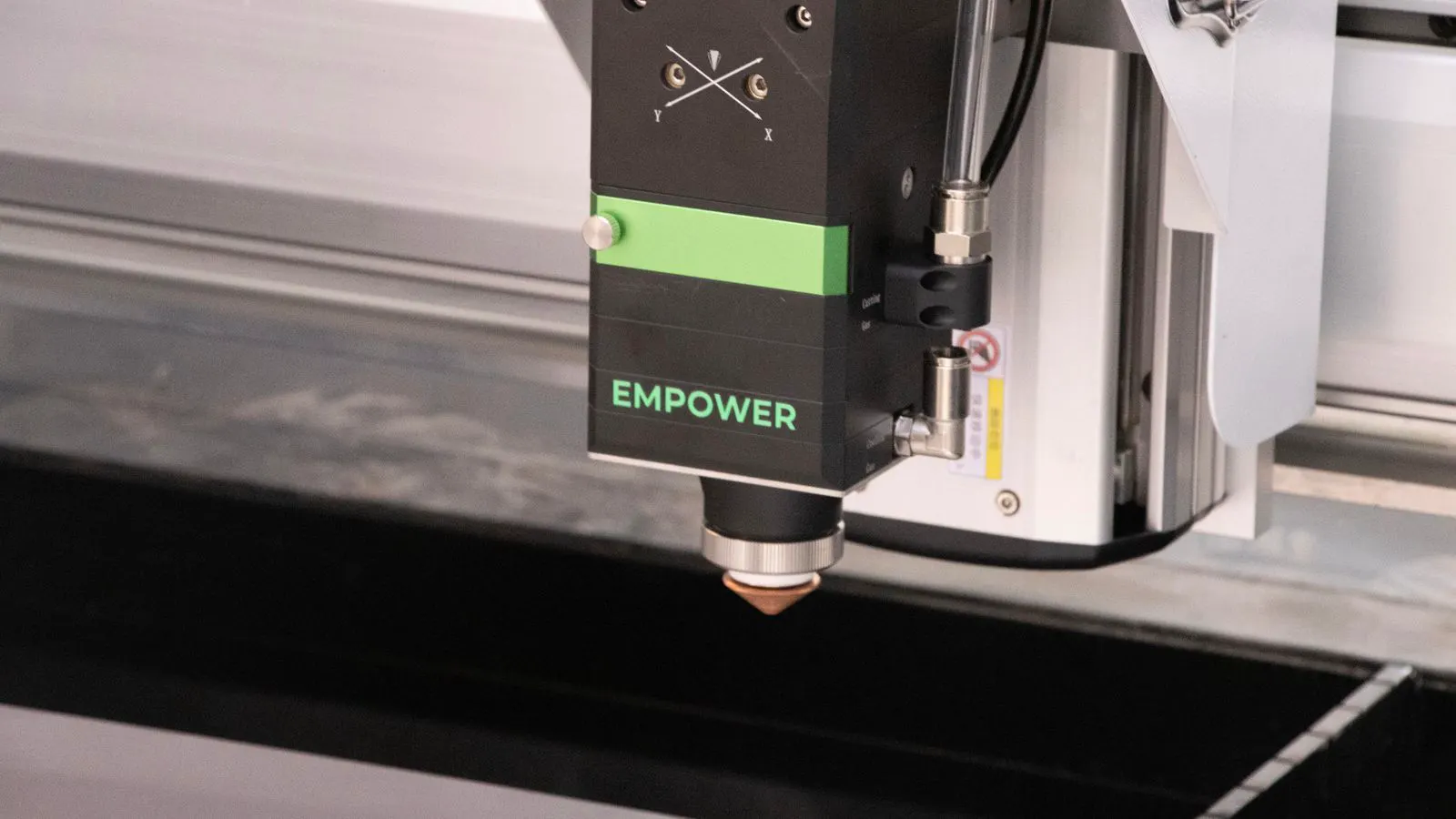
Design for Manufacturability
Cost and Lead Time: Sheet Metal Prototyping
Sheet metal prototyping costs and lead times depend on material, complexity, and tooling. A clear RFQ with drawings and material specs allows suppliers to provide
Oct 5, 2026 · 7 min read
Design for Manufacturability
How to Design Sheet Metal for Laser Cutting
Design sheet metal parts for laser cutting by aligning features with the process, avoiding weak kerf zones, and planning flat patterns for efficient nesting to minimize
Oct 5, 2026 · 6 min read