
Choosing a Fabricator
Sheet Metal Fabricator Capability Statement: What to Verify
A capability statement is a structured document proving a fabricator can handle your sheet metal requirements. Verify it by checking machine specs, material limits
Use this guide to evaluate fabricators by capabilities, communication, and quality before placing an order.
A capability statement is a structured document proving a fabricator can handle your sheet metal requirements. Verify it by checking machine specs, material limits

A supplier quality audit checklist helps buyers verify QC verification and inspection methods. It covers records, tooling checks, dimensional verification, and material

Effective fabricator selection requires a structured approach that goes beyond price quotes. By assessing supplier evaluation criteria such as process fit, quality
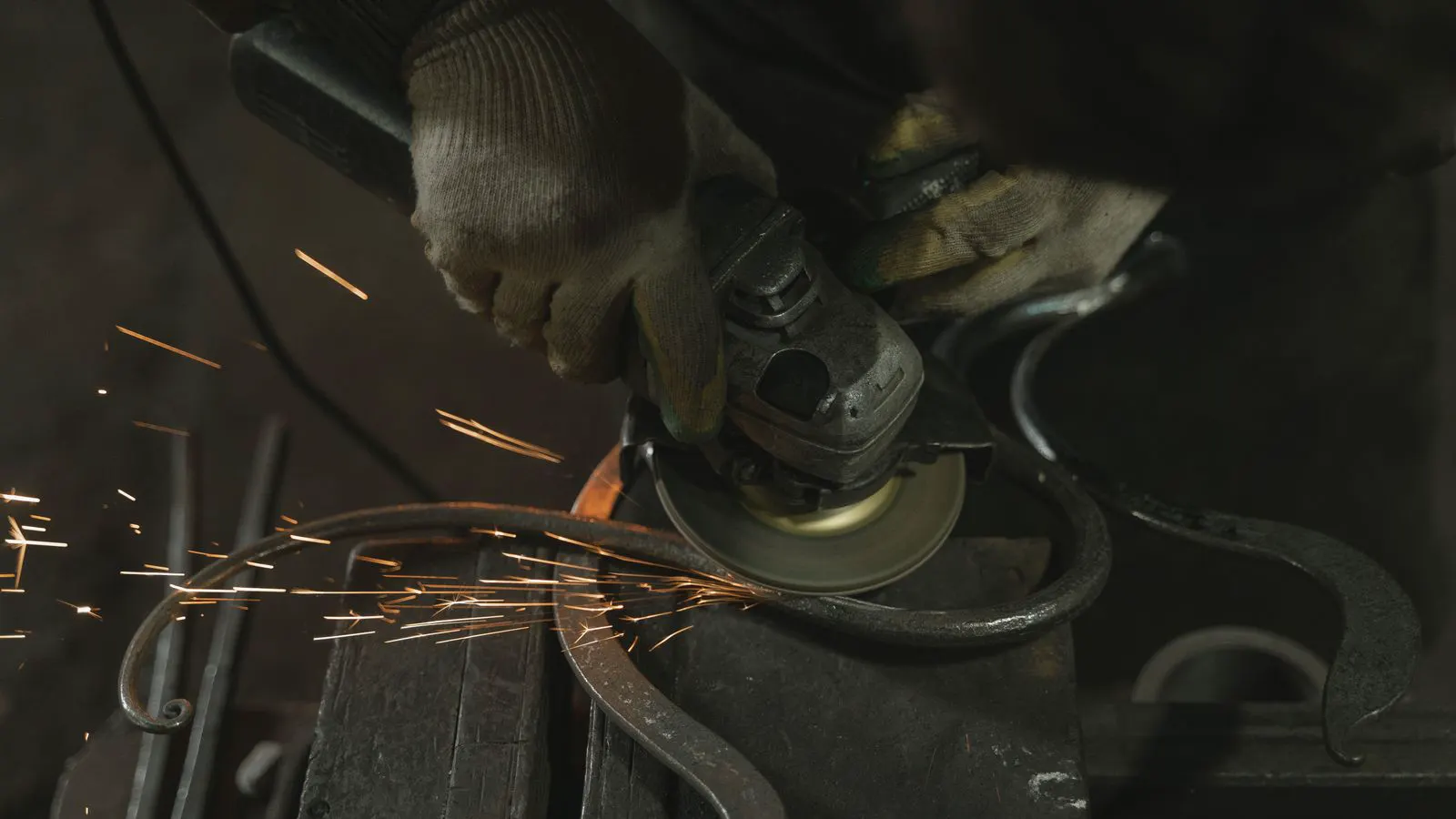
Bending distortion often stems from material yield, tooling wear, or press brake setup errors. This guide lists common symptoms and fixes for springback and angle
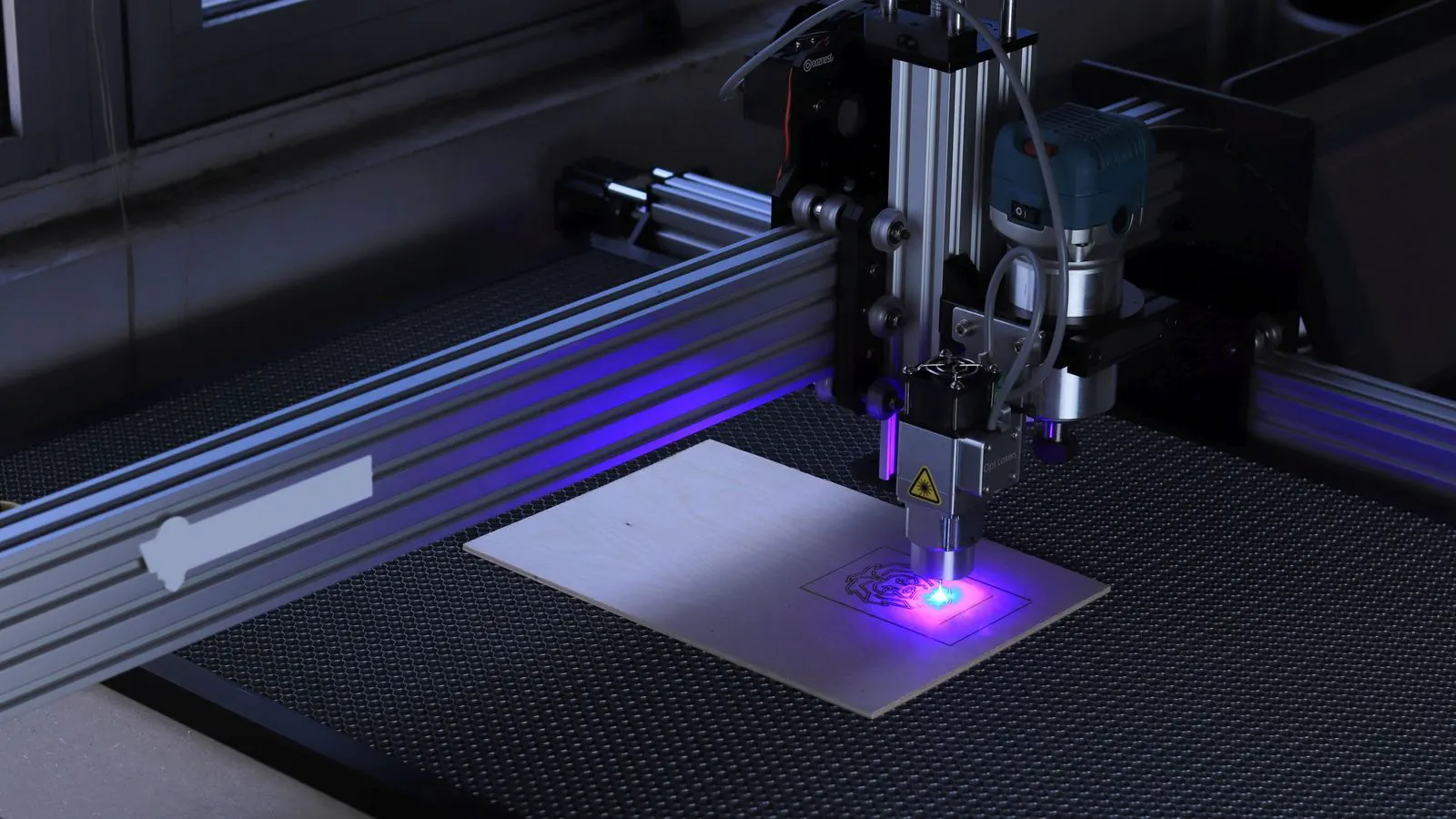
Laser cutting offers high precision and complex geometry, while press brakes bend flat stock into formed shapes. Choose laser for intricate cuts and tight tolerances.

Confirming fabricator capacity requires checking machine availability, production limits, and labor schedules. Reviewing shop floor data and recent project loads
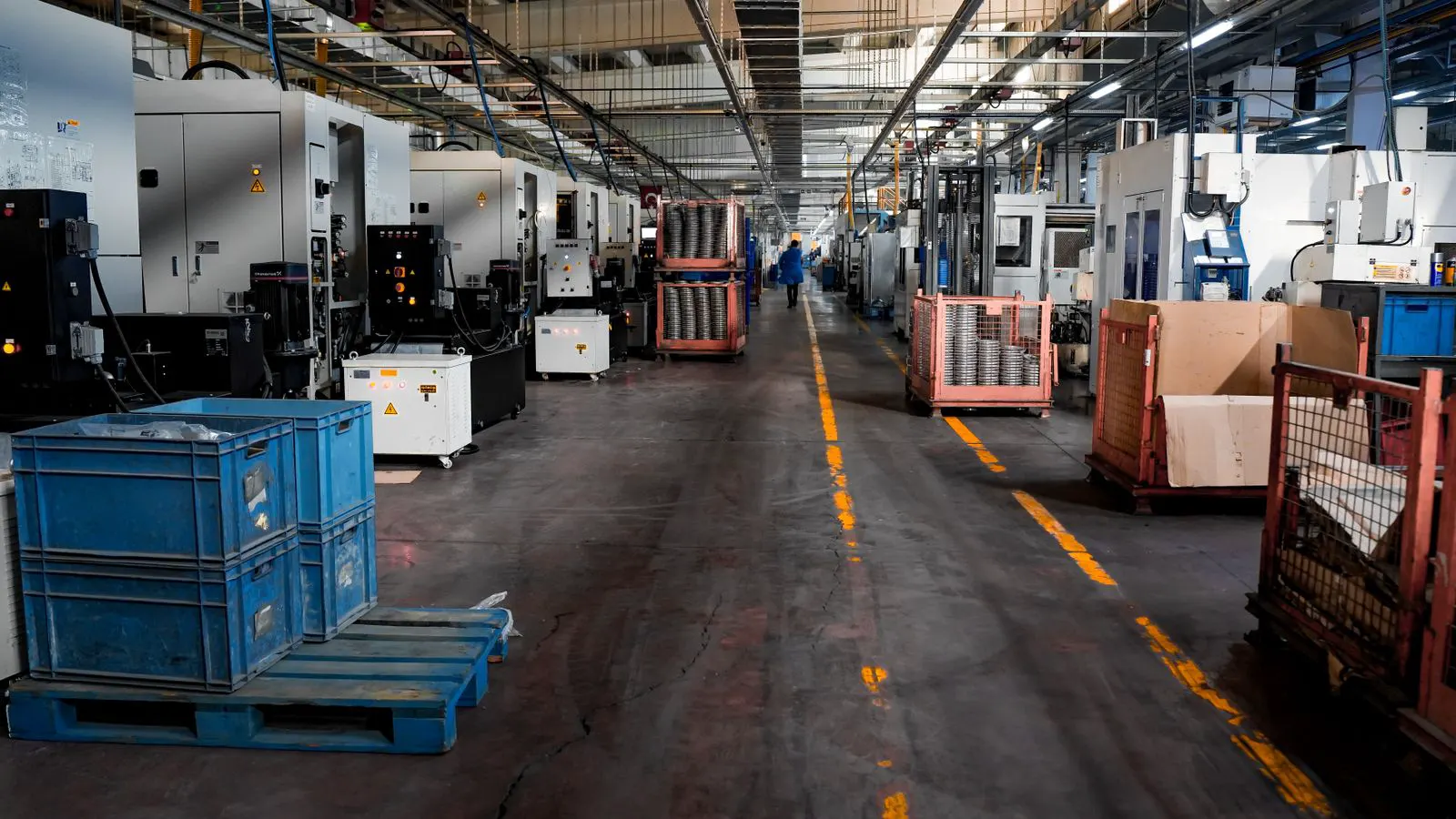
This guide compares nearshore vs offshore sheet metal sourcing. It breaks down cost, lead time, communication, and quality control factors. The comparison helps
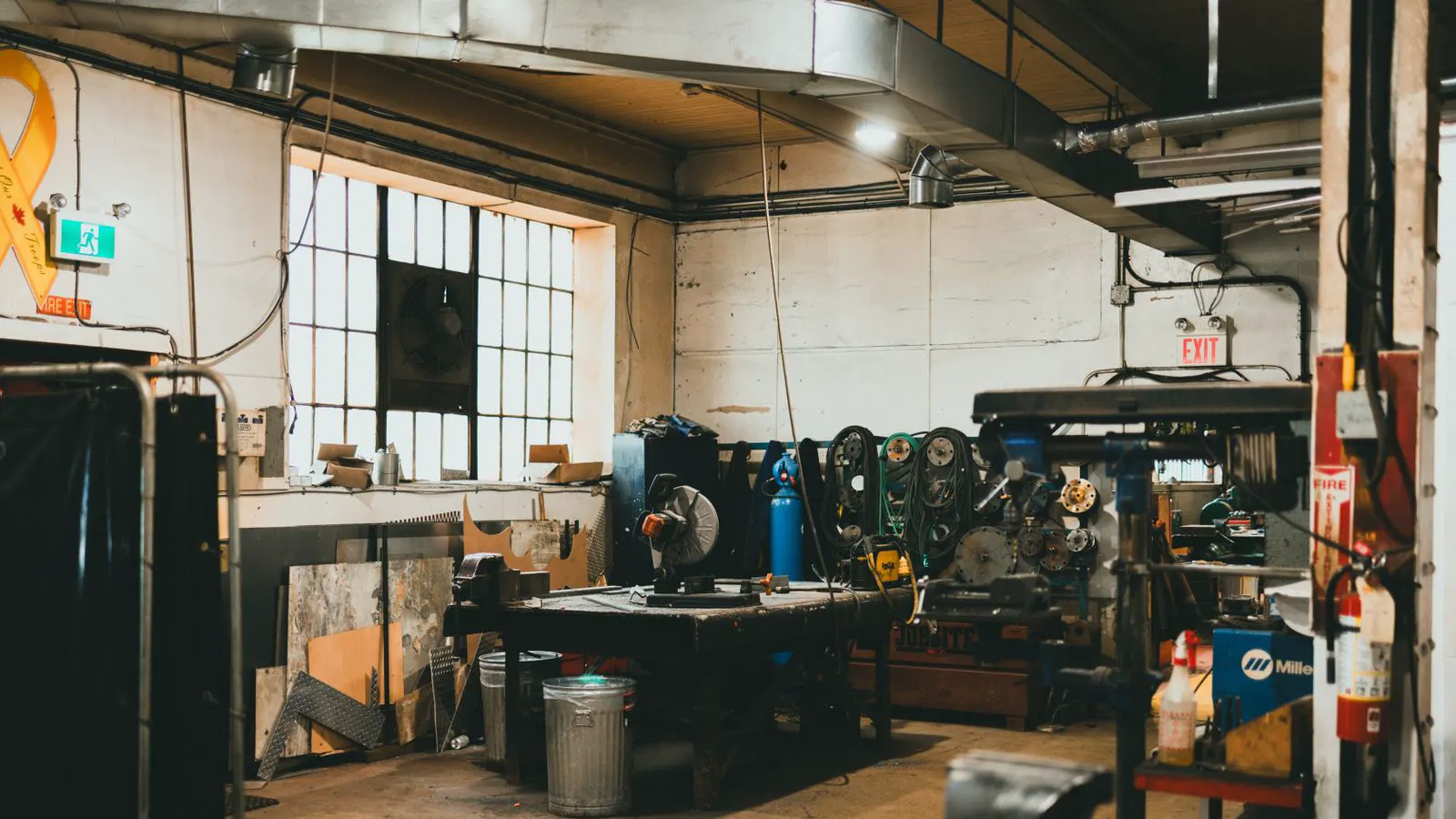
Sheet metal lead time depends on multiple variables. Engineers must evaluate material sourcing, processing complexity, and schedule constraints to select reliable
Use a six-step audit to verify supplier certifications. Check certificate scope, expiration dates, scope of work, and audit reports. Cross-reference records with

RFQ misalignment happens when engineering specs and fabricator quotes do not match due to ambiguous material grades, missing tolerance calls, or unpriced finishing
Nearshoring moves sheet metal production closer to end users, changing lead times, logistics, and quality oversight. Buyers must adjust supplier selection, tooling

Scope creep occurs when a fabricated part deviates from the original agreed-upon specifications, often after the quote is accepted. This guide lists common symptoms