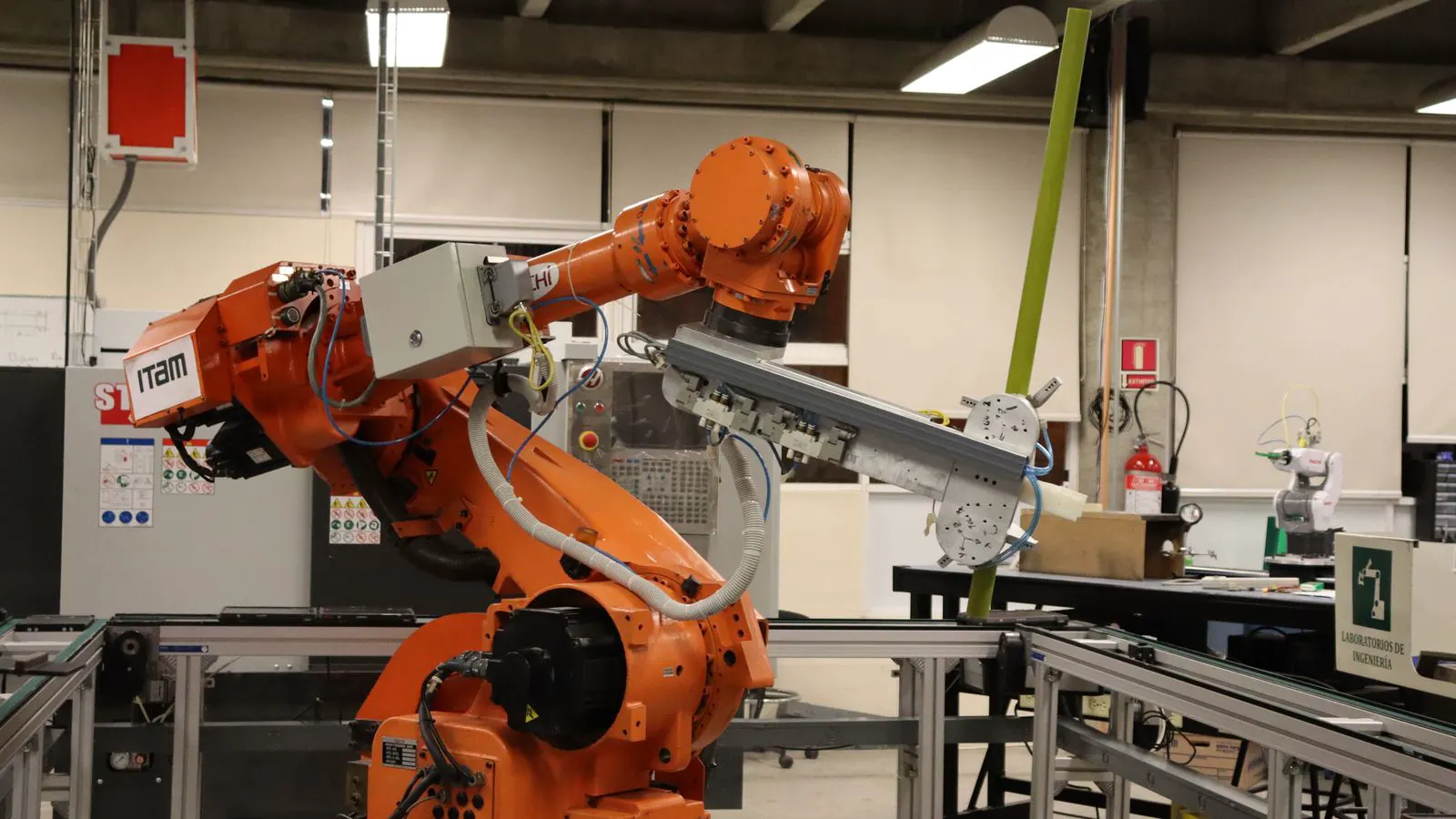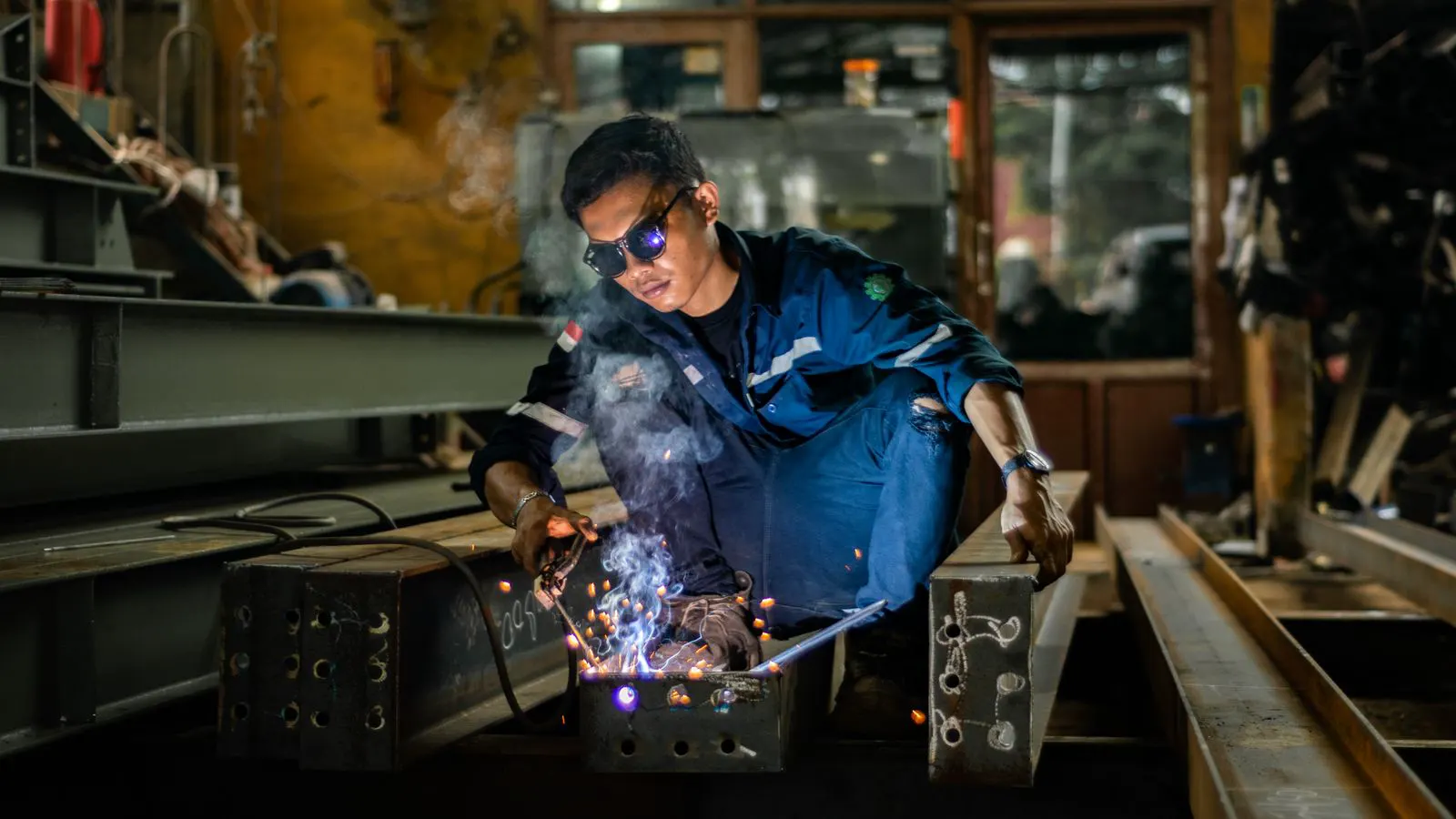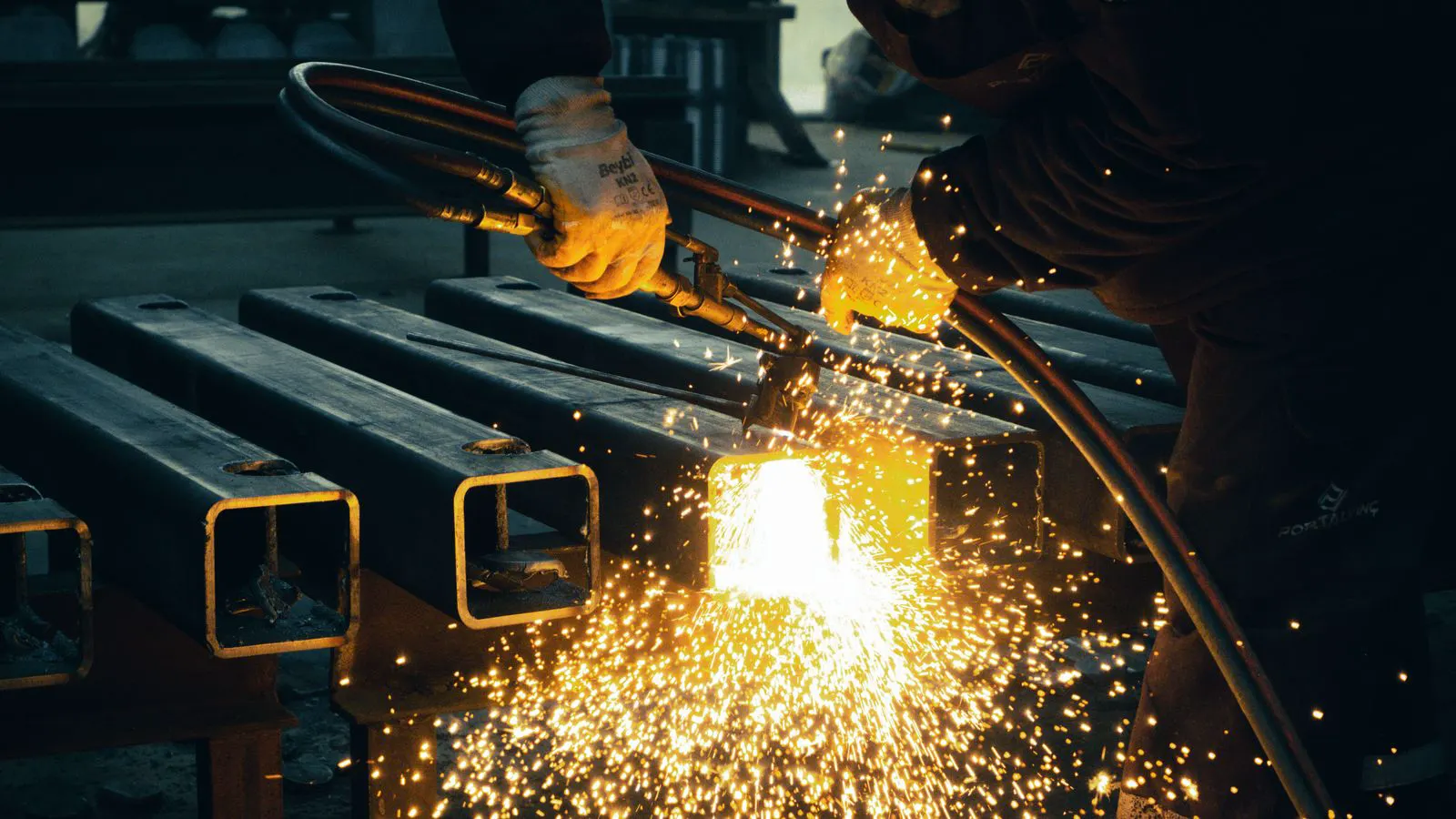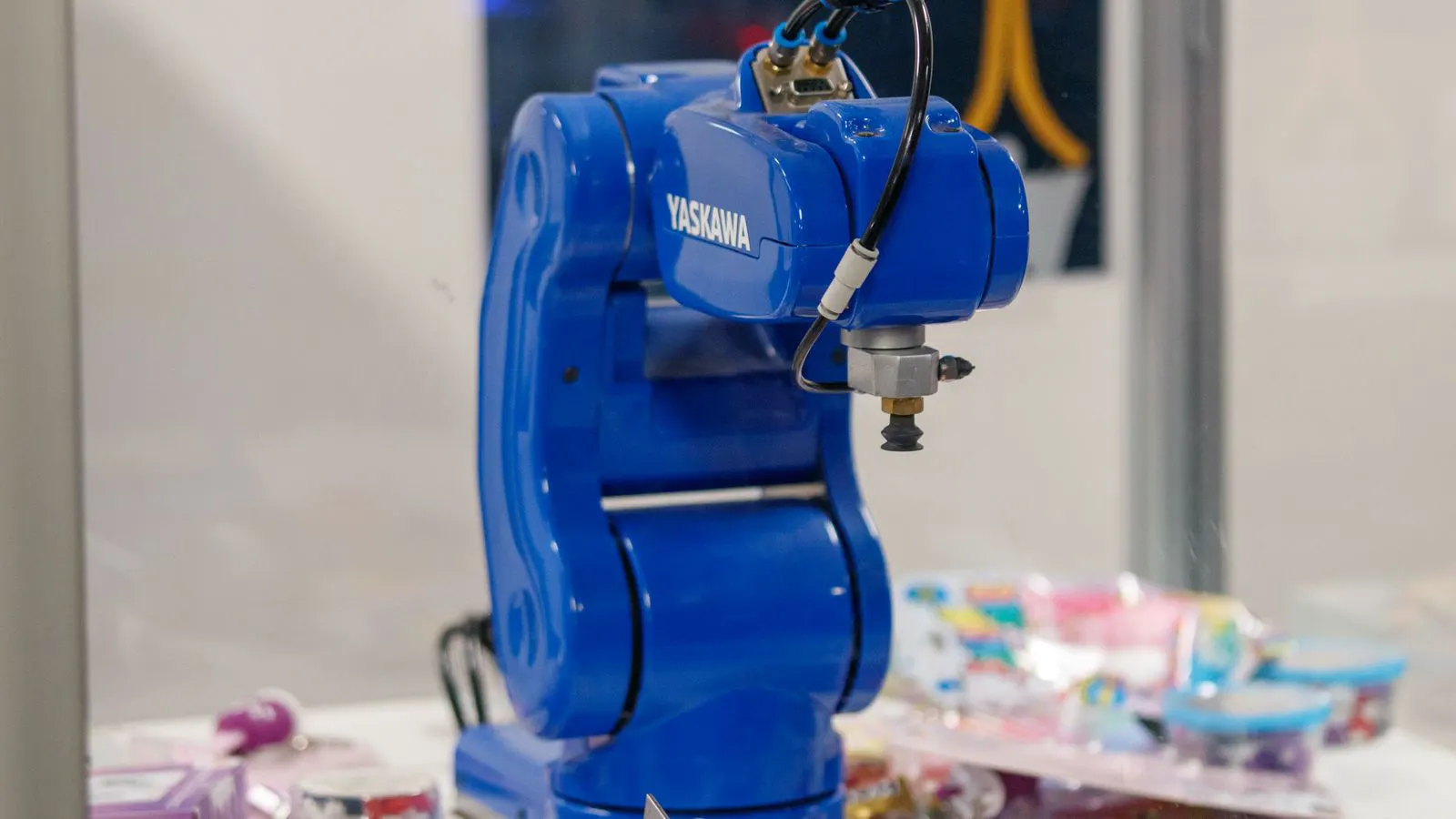
Automated sheet metal welding changes production speed, labor requirements, and quality consistency. This outlook details five shifts buyers should plan for, including process re-engineering, robotics integration, and workforce retraining.
- Automated sheet metal welding shifts cost structures toward capital investment and software maintenance.
- Buyers must re-engineer parts for robotic repeatability before installation.
- Workforce roles change from manual welding to machine monitoring and quality inspection.
- Quality control relies more on in-process sensors than post-production testing.
- Planning for hybrid lines preserves flexibility for low-volume custom work.
How Automation Changes the Cost Structure
The first shift is financial. Moving from manual to automated sheet metal welding changes where money goes. You stop spending heavily on hourly labor for welders and start spending on capital equipment, programming, and maintenance. The initial outlay is higher. The per-unit cost drops over time as volume increases.
This shift affects how you evaluate vendor bids. A manual welder’s rate might be stable for a decade. Robot operating costs change with electricity, software updates, and consumables. When you request quotes, ask for a full cost model that includes programming time, downtime risk, and maintenance schedules. Do not just compare the robot price. Compare the total cost of ownership against your target production volume.
Small and medium fabricators often face a dilemma. They may not have the volume to justify full automation. The solution is usually hybrid. Keep manual stations for low-volume, complex work. Use automated sheet metal welding for high-repetition parts. This split approach protects cash flow while capturing efficiency gains in high-volume production.
Preparing Parts for Robotic Repeatability
The second shift is design. Robots are precise, but they are rigid. Manual welders adapt on the fly. They shift a clamp, adjust a gap, or reposition a part without thinking. A robot follows a fixed program. If the part is not clamped correctly, the weld is wrong.
Buyers must re-engineer parts for robotic repeatability. This means adding fixtures, datum points, and alignment pins. Thin sheet metal presents a specific challenge. It bends, shifts, and vibrates during welding. Fixtures must hold the material rigidly without distorting it.
Work with your engineer early. Review drawings for tolerance stack-ups. Identify critical weld locations. Determine which joints require specific penetration depths. A part that works well in a manual shop may fail in an automated line if the fixturing is poor. The goal is to make the part “dumb” enough for the robot to handle without human intervention.
Workforce Transformation
The third shift is human. Automation does not eliminate jobs. It changes them. Welders do not disappear. They become machine operators, programmers, and quality inspectors.
A manual welder spends hours at the torch. An automated line operator spends hours monitoring the robot, loading parts, and checking quality. The skill set changes. You need people who understand PLCs, robot controllers, and basic troubleshooting. They must know how to read sensor data and adjust parameters.
Training is a major cost. Do not underestimate the time required to upskill staff. A welder with ten years of experience may take months to learn robot programming. Plan for this in your budget. If you hire for this transition, look for candidates with a mix of welding knowledge and technical aptitude. Purely technical hires who have never held a torch may struggle with understanding material behavior.
Quality Control Integration
The fourth shift is quality. Manual welding relies on visual inspection and spot testing. Automated sheet metal welding enables continuous, in-process quality control. Robots can integrate with sensors that monitor current, voltage, and arc length in real time.
If the arc length drifts, the system can flag the event. If the current changes unexpectedly, it can pause the line. This catches defects before they become scrap. In manual operations, a bad weld might be found only during final inspection, after the part has moved to the next process.
Buyers should specify sensors in their equipment requests. Ask which parameters are monitored. Ask if the system logs data for each weld. This data is valuable. It helps you trace defects to specific machines, operators, or time periods. It also supports quality audits and customer requirements.
Implementation Planning
The fifth shift is operational. Most failures in automation projects come from poor planning. They do not come from the robot itself.
Start with a pilot line. Do not automate your entire production floor at once. Pick one product family with high repetition. Run it through the new system. Measure cycle time, defect rate, and labor usage. Compare these numbers to your baseline.
Document every issue. Robot calibration takes time. Fixture design needs iteration. Software bugs appear. This pilot phase is where you learn what actually works. If the pilot succeeds, expand gradually. If it fails, you have lost a small amount of money and gained valuable knowledge.
Coordinate with your suppliers. If you outsource welding, understand how automation affects their pricing. They may offer lower rates for high-volume work. They may require you to send larger batches. This changes your inventory management. You need more raw material on hand to keep the line running.
The Hybrid Strategy
The sixth shift is strategic. Full automation is not always the right answer. The market for sheet metal fabrication is diverse. Some customers need complex, low-volume assemblies. Others need thousands of identical brackets.
A hybrid strategy allows you to serve both. Use automated sheet metal welding for the high-volume, repetitive work. Keep manual TIG and MIG stations for custom and complex projects. This balance protects your margins. It also provides flexibility when demand shifts.
Many successful fabricators run 40 to 60 percent of their production on automated lines. The rest remains manual. This ratio varies by market. If you are in aerospace, automation may be higher. If you are in architectural fabrication, it may be lower. Decide your ratio based on your customer mix.
What to Ask Vendors
The final shift is in your supplier relationships. When you talk to vendors about welding robotics or manufacturing automation, ask specific questions.
Do not just ask for a price quote. Ask for a process map. Show them your part drawings. Ask how they would fixture the part. Ask what sensors they include. Ask about the software interface. Can your team access the data? Can you export weld logs?
Ask about support. What happens when the robot fails? How long is the response time? Who programs the new jobs? You want a vendor who provides ongoing support, not just a hardware sale. The robot is only useful if it stays up and running.
Practical Checklist for Buyers
Use this checklist when evaluating automation for your sheet metal welding operations.
- Identify your top three high-volume products.
- Map the current manual process for each.
- Calculate the labor cost per unit.
- Review the drawings for fixture opportunities.
- Determine your quality control requirements.
- Select a pilot product for testing.
- Request process maps from three vendors.
- Evaluate total cost of ownership, not just equipment price.
- Plan a training schedule for your current staff.
- Set success metrics before installation.
Common Pitfalls to Avoid
Many buyers make the same mistakes. They buy the robot before fixing the process. They assume the machine will solve design problems. They underestimate the need for training.
Do not skip the pilot phase. Do not install the robot on a congested floor. Ensure the area is clean and safe. Do not ignore the data. If the system logs weld data, use it. Do not let it become a black box.
The goal is not to replace people. The goal is to make the process predictable, consistent, and scalable. When you get the planning right, the results are clear. Faster production. Lower defect rates. Better data. The shift is significant, but manageable.
Long-Term Outlook
The trajectory is clear. Automation in sheet metal welding is moving from a premium option to a standard expectation. Customers want faster turnaround and consistent quality. They are willing to pay for it.
Technology is improving. Sensors are getting cheaper. Programming is getting easier. Integration with other machines is getting simpler. This lowers the barrier to entry.
Buyers who wait too long risk falling behind. They may find their manual lines slower and more expensive than competitors using automated sheet metal welding. The window to plan and prepare is open now. Use it.
Start with your data. Look at your production logs. Identify the bottlenecks. Identify the high-volume items. These are your starting points. The rest follows.
The path to automation is not a single step. It is a series of decisions. Each decision builds on the last. Make them carefully. Make them with clear eyes. The outcome will be a stronger, more efficient operation.
Frequently asked questions
How much volume is needed to justify automated sheet metal welding?
There is no single number. It depends on part complexity, labor costs, and equipment prices. Generally, high-repetition parts with consistent demand are the best candidates.
Can automation handle thin sheet metal?
Yes, but it requires careful fixturing. Thin sheet can shift or vibrate. Good fixtures and low-spark processes are needed to maintain quality.
What happens to the welders?
They usually move to other roles. Many become machine operators, programmers, or quality inspectors. Training is required to make this transition successful.
Is it better to buy or outsource automated welding?
It depends on your business model. Buying allows control and scalability. Outsourcing provides flexibility and lower upfront costs. Many companies use a mix.
How long does a pilot project take?
Typically, a few months. It includes fixture design, programming, and testing. The timeline depends on the complexity of the part and the availability of engineering support.