
Choosing a Fabricator
Troubleshooting: Sheet Metal Fabricator RFQ Ambiguity
Rfq ambiguity drives quote discrepancies by leaving fabricators to guess on tolerances, finishes, and features. Identify unclear specs early, clarify requirements with
Practical fabrication answers for buyers and engineers
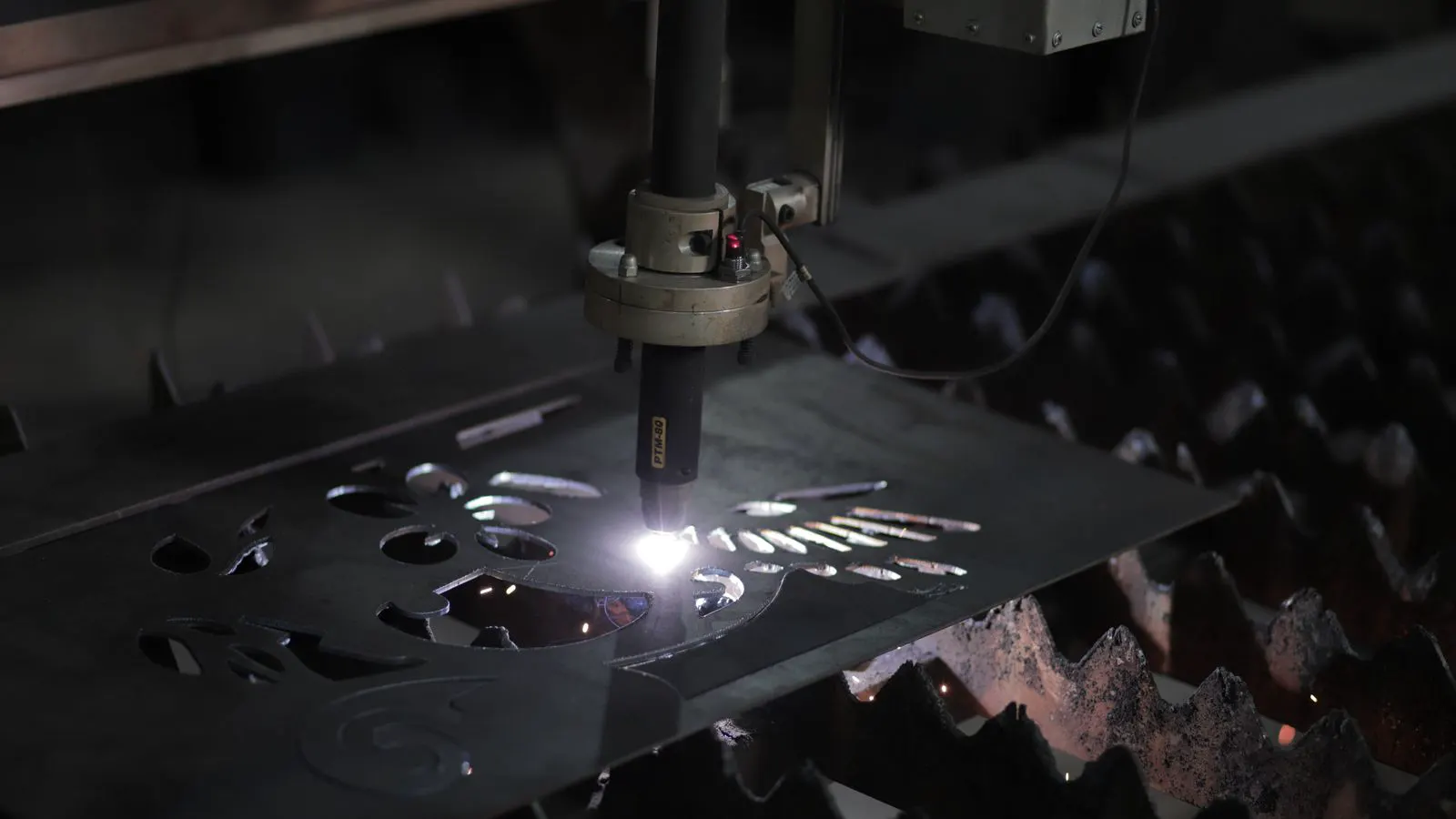
This site explains how sheet metal parts are made, from flat stock to finished assemblies. It covers laser cutting, press braking, welding, and surface finishing so buyers can specify parts correctly and ask the right questions.
The focus is on decision making. It addresses material selection, bend tolerances, weld procedures, inspection points, and supplier capabilities. The goal is to reduce misunderstandings between engineering and production.
Start with the stage of the sourcing process you are in.
Learn how different cutting and bending methods affect your sheet metal parts, quality, and production speed.
Understand common sheet metals and surface finishes to choose the right material for durability and appearance.
Explore welding techniques and assembly practices used to build strong, durable sheet metal structures.
Apply practical design rules to reduce fabrication costs and avoid errors before sending drawings to production.
Review inspection methods and quality controls used to ensure sheet metal parts meet project requirements.
See how material, labor, and complexity shape sheet metal pricing and delivery timelines for your project.
Use this guide to evaluate fabricators by capabilities, communication, and quality before placing an order.
Rfq ambiguity drives quote discrepancies by leaving fabricators to guess on tolerances, finishes, and features. Identify unclear specs early, clarify requirements with
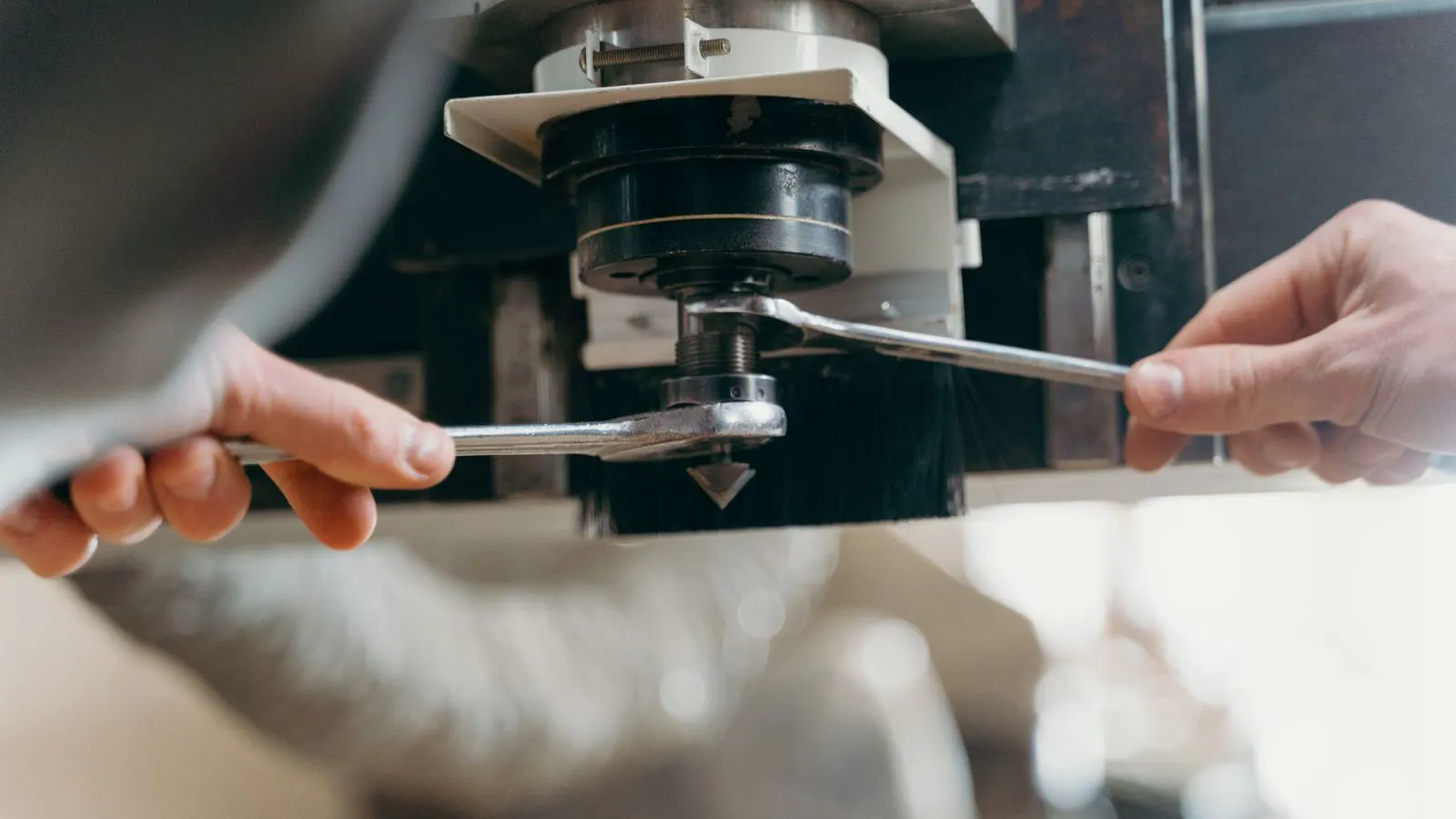
Laser-assisted bending reduces setup errors and speeds up production, but manual bending remains cheaper for short runs. Understanding cost drivers and lead time impacts
Offshore sheet metal sourcing requires strict supplier selection and import logistics planning. This guide covers criteria for evaluating overseas fabrication partners
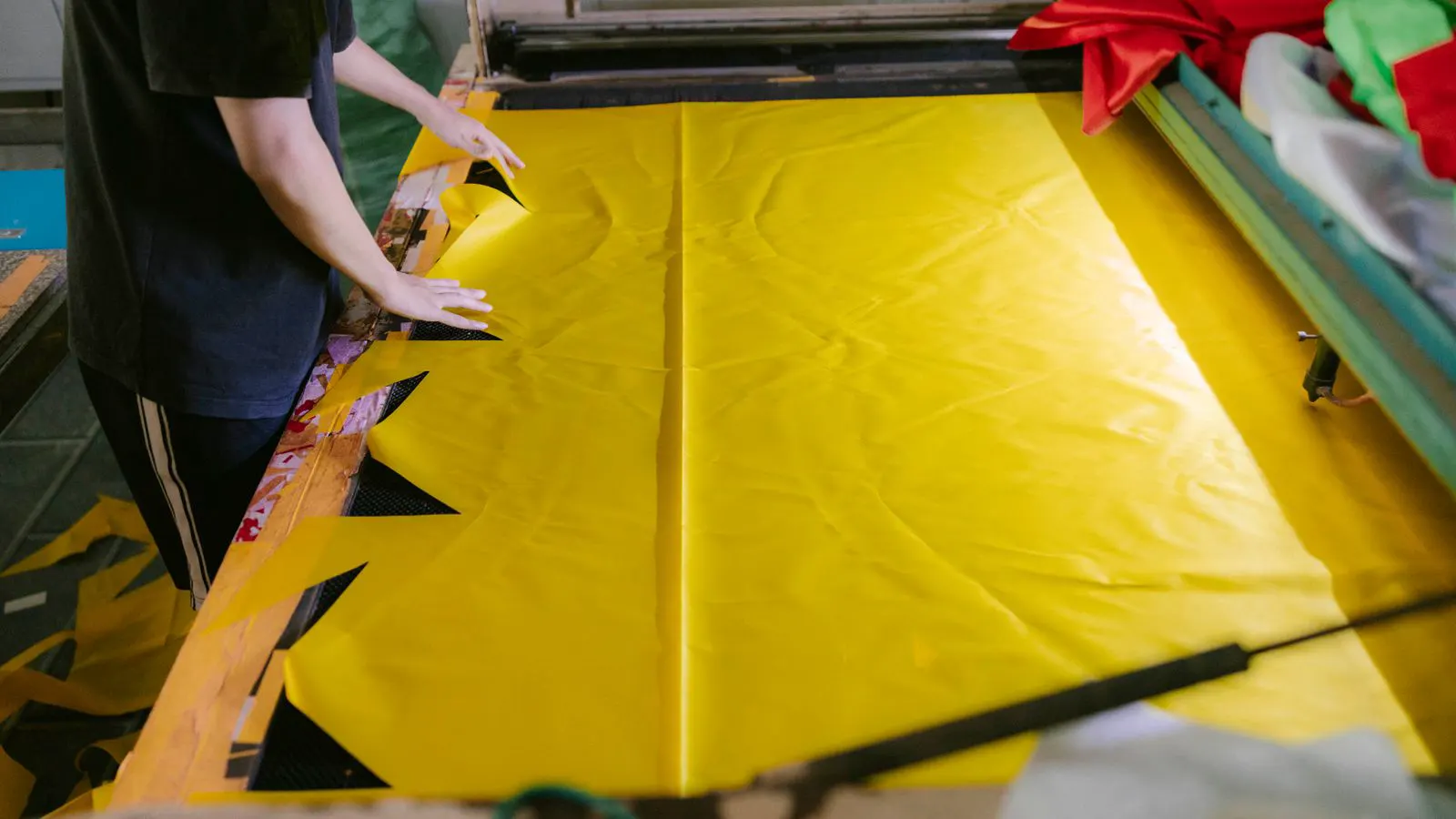
Laser cutting and press brake bending serve different functions in sheet metal fabrication. Compare their cost and speed implications for your specific project

Eco-friendly finishes are shifting from premium options to standard expectations. Buyers should plan for lower-VOC coatings, recycled content, and stricter end-of-life

Automated DfM tools now verify sheet metal CAD geometry against manufacturing constraints before files leave the design team. This shift moves cost avoidance from

Choosing NDE over visual inspection changes both cost and schedule. NDE adds skilled operators, specialized equipment, and extra documentation. Visual checks are faster

Robotic TIG welding increases production consistency and capacity by removing human variability from repetitive joints. It requires stable fixture design, strict

Use a structured audit checklist to verify sheet metal tooling fees. Check die types, setup charges, and one-time costs against the drawing to identify hidden fees and
Laser cutting produces finer edges and tighter tolerances. It works well for thinner sheet and complex shapes. Plasma cutting handles thicker material at lower cost, but the kerf is wider and edge quality is less precise.
State the bend angle, tolerance, and whether the inside or outside radius controls. Mention the material thickness and bend direction. If the bend is critical for fit, include a datum reference and a specific tolerance value.
Distortion, undercut, and inconsistent weld strength are common issues. Thin sheet is prone to burn-through. Thick material may require multiple passes. Welding procedure specifications help control heat input and bead quality.
Powder coating offers thicker coverage and good chemical resistance. It requires proper surface prep and masking for edges. Painting offers more color options and thinner coats. Specify the standard, dry film thickness, and any salt spray or adhesion tests required.
Ask about tooling, setup time, material availability, and inspection methods. Request samples of similar work. Confirm the bend sequence and how tolerances are checked. This reveals capability gaps early.
Design for standard material thicknesses. Minimize part count where possible. Use consistent weld and finish specifications. Align tolerances with function, not habit. Clear drawings reduce rework and disputes.