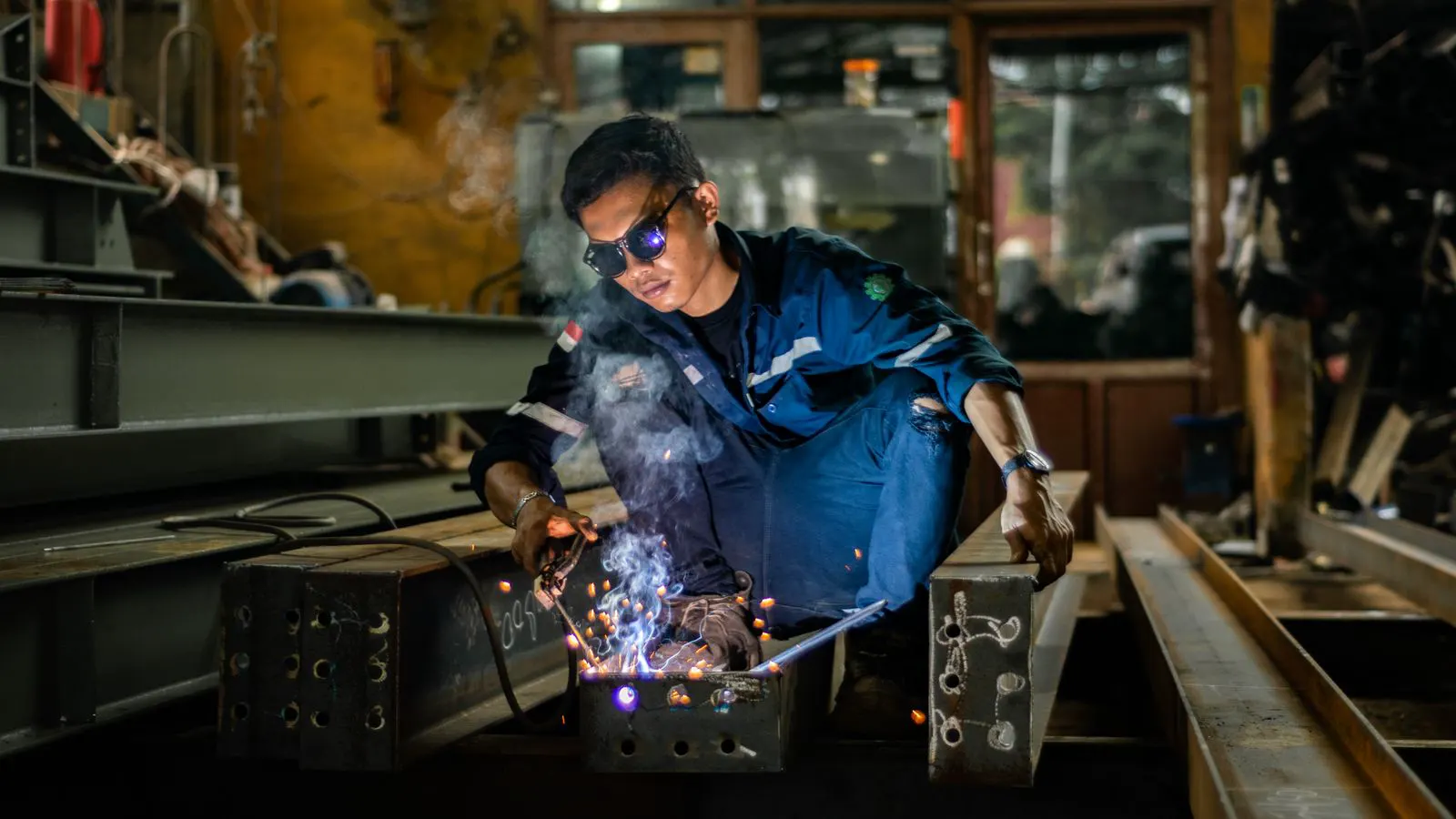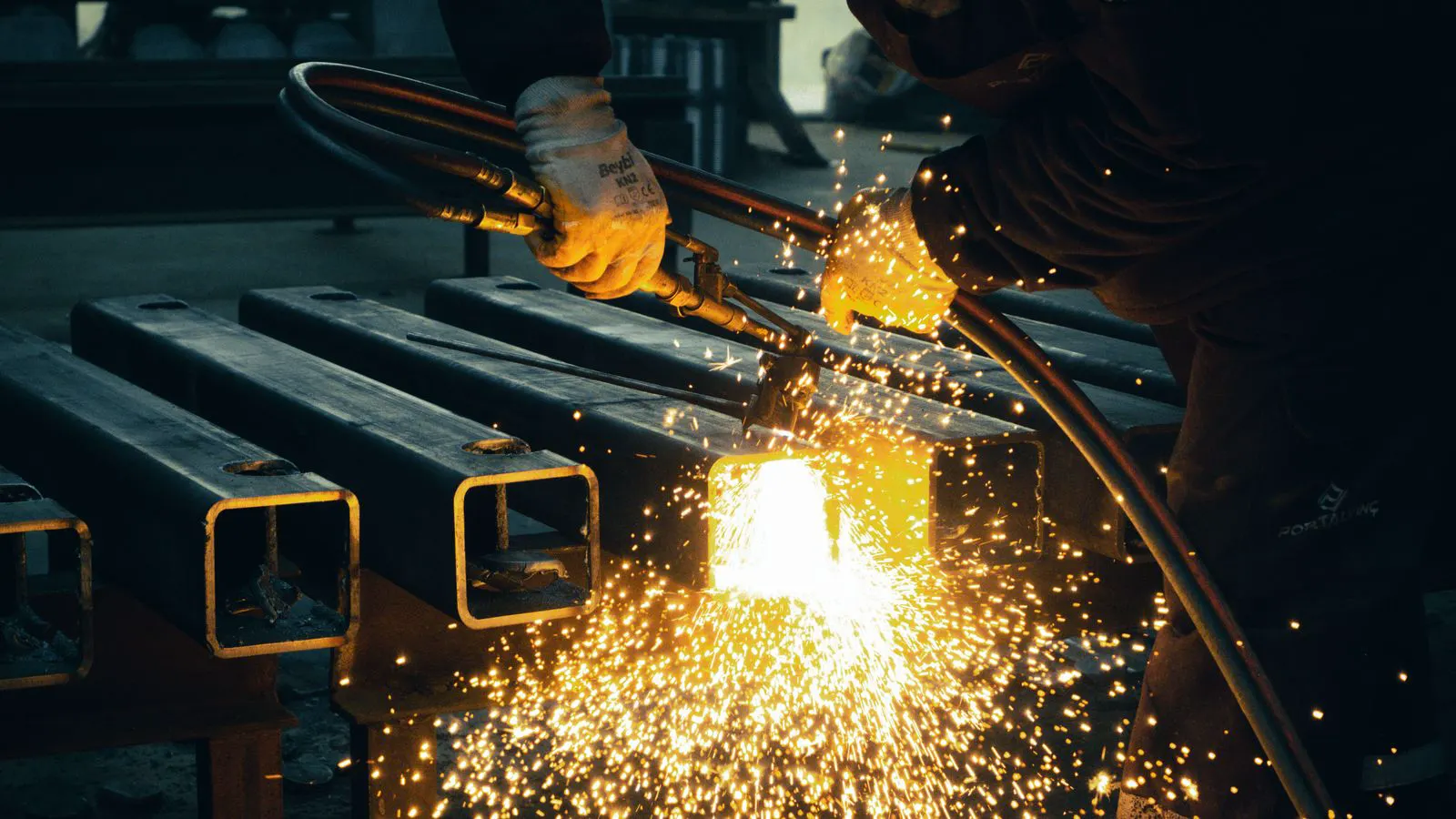
Sheet metal gas shielding uses inert gas to block oxygen from molten welds. Proper selection prevents oxidation, porosity, and weak joints. Buyers should specify gas type and flow rates in RFQs to ensure consistent quality across thin and thick stock.
- Select gas composition based on material thickness and alloy type.
- Verify gas flow rates to prevent turbulence that pulls in air.
- Include shielding gas specs in RFQs to avoid vendor assumptions.
- Monitor weld surface color as a quick check for gas effectiveness.
- Pair gas selection with proper fit-up and joint design for best results.
What Is Sheet Metal Gas Shielding?
Sheet metal gas shielding is the process of surrounding the weld area with inert or semi-inert gas to prevent the molten metal from reacting with the atmosphere. When a welder heats a joint to melting, the liquid metal becomes highly reactive. Oxygen, nitrogen, and carbon dioxide from the surrounding air can dissolve into the weld pool. This creates weak inclusions, oxidation, and porosity.
The shielding gas forms a protective barrier. It displaces atmospheric gases and covers the hot zone. The choice of gas depends on the base material. Carbon steel welds often use carbon dioxide or a mix of argon and carbon dioxide. Stainless steel and aluminum require pure argon or argon-helium blends. The gas does not just protect the weld pool. It also protects the heat-affected zone, the area of base metal that was heated but not melted.
Why Shielding Gas Affects Weld Quality
Poor shielding creates visible and internal defects. Porosity, small gas pockets trapped in the weld, weakens the joint. Oxidation darkens the weld surface and reduces corrosion resistance. In stainless steel, excessive oxidation causes “burning,” which creates a brittle layer that must be removed. In aluminum, oxidation forms a hard scale that interferes with proper fusion.
Shielding gas also influences weld appearance. A well-shielded weld shows a uniform, metallic surface. A poorly shielded weld may show pitting or a dark discoloration. For sheet metal, where thickness varies, these defects are harder to correct after assembly. The welder cannot easily grind out porosity without removing too much material.
Buyers should expect the vendor to specify gas composition and flow rate. These parameters determine whether the shield is effective. A gas flow that is too low leaves gaps. A flow that is too high creates turbulence. Wind in the workshop can also disrupt the shield. The vendor must account for these conditions.
How Argon Shielding Works for Stainless and Aluminum
Argon shielding uses pure argon or argon mixed with small percentages of other gases. Argon is heavier than air, so it settles over the molten weld pool. It forms a dense blanket that excludes oxygen and nitrogen. For stainless steel, pure argon is common. For aluminum, argon is the standard, often mixed with helium to increase penetration.
The choice between argon and other gases affects the weld pool behavior. Argon provides a stable, narrow arc. It produces a clean weld with minimal spatter. For thin sheet metal, this is beneficial. The heat input can be controlled precisely. The welder can maintain a small, focused pool. This reduces the risk of burn-through, a common issue with thin gauge stock.
For thicker sections, argon may require higher amperage. This increases heat input and can cause distortion. In such cases, vendors may use a different gas mix. The decision should be documented in the RFQ. Specify the material grade and thickness. The vendor can then recommend the appropriate shielding gas.
Key Factors That Influence Gas Selection
Several factors determine the best shielding gas for a sheet metal weld. Material thickness is the first. Thin gauge sheet, typically under one millimeter, requires precise control. The gas must provide a tight, stable shield. Thicker stock may tolerate more turbulence. The weld pool is larger and more stable.
Base metal alloy matters. Stainless steel 304 and 316 respond differently to gas mixes. Aluminum alloys require specific gas compositions to prevent oxidation. Carbon steel can use carbon dioxide or mixtures. The gas must match the metal chemistry.
Welding process is another factor. TIG welding uses pure argon almost exclusively. MIG welding uses various gas mixes depending on the wire and material. The process determines the gas flow rate. TIG requires a low, steady flow. MIG may need higher flow to cover a larger area.
Workshop environment also plays a role. Drafts from doors, fans, or HVAC systems can disrupt the gas shield. In such cases, the welder may use a gas curtain or a fume extraction system. The RFQ should note the environment if it is known.
Worked Example: Shielding a Stainless Sheet Joint
Consider a bracket made from 1.5 millimeter stainless steel 316. The joint is a lap joint with a 5 millimeter overlap. The welder uses TIG welding. The shielding gas is pure argon. The flow rate is set to 12 cubic feet per hour. This rate is typical for small TIG welds. The welder positions the torch slightly ahead of the arc. The gas flows from the nozzle and covers the molten pool.
As the weld progresses, the gas displaces air. The welder watches the color of the weld surface. A blue or straw color indicates proper shielding. A dark blue or purple color indicates oxidation. The welder adjusts the flow rate or torch position. After the weld cools, the surface is inspected. The weld should show a uniform, silvery finish. No porosity or dark spots should be visible.
If the joint is part of a larger assembly, the welder may use a back purge. This is a gas flow from behind the joint. It protects the inside of the weld, which is not visible after assembly. For stainless steel, back purging is common to prevent internal oxidation. The RFQ should specify whether back purging is required.
How to Specify Shielding Gas in Your RFQ
When requesting a quote, include the shielding gas requirements. State the base material and thickness. Specify the welding process if known. For example, “TIG weld with pure argon shielding” or “MIG weld with 75/25 argon/carbon dioxide mix.” This removes ambiguity. The vendor can plan their setup and materials.
Also specify flow rates if you have standards. If not, ask the vendor to provide the gas composition and flow rate in their proposal. This allows you to verify that the vendor understands the requirements. Include any environmental constraints. If the workshop has high ventilation, note this. The vendor may need to use a different gas mix or a physical barrier.
Include inspection requirements. Specify what to check for. Porosity, oxidation, penetration, and weld appearance. For stainless steel, specify the acceptable surface color. For carbon steel, specify the maximum oxidation level. This creates a clear acceptance criterion.
Common Mistakes in Sheet Metal Gas Shielding
One common mistake is using the wrong gas for the material. Welding stainless steel with a carbon dioxide mix can cause excessive oxidation. The weld may look acceptable but fail in corrosion tests. Another mistake is using too low a flow rate. The shield does not cover the entire pool. Air gets in and creates porosity.
Another error is ignoring wind. Even a small draft can pull the gas away from the weld. The welder may not notice immediately. The defect appears after the weld cools. This is why the workshop environment matters. Vendors should test the gas setup before starting production.
Finally, some buyers assume that higher gas flow is better. This is not true. Too much gas creates turbulence. The gas swirls and pulls in air. The welder must find the optimal flow for the specific setup. This is why specifying the flow rate in the RFQ is useful.
How Shielding Gas Fits Into Broader Weld Quality Checks
Shielding gas is one part of the welding process. It works together with fit-up, preparation, and parameters. Poor fit-up creates gaps that are hard to shield. The gas cannot cover a large open area. The welder may use filler metal to fill the gap, but this affects penetration. The RFQ should include fit-up requirements.
Also consider heat control. High heat input can cause distortion. The gas shield helps control the weld pool, but it does not prevent distortion. The vendor may use tacking or fixtures to hold the parts. The gas specification should be part of a broader quality plan.
Buyers should request a sample weld for inspection. This allows you to verify the gas shielding effectiveness. Look for a uniform surface. Check for porosity with a magnifying glass. Ask the vendor to provide the gas composition and flow rate used. This creates a baseline for future orders.
Conclusion: Making Shielding Gas a Specification
Gas shielding is not an afterthought. It is a core parameter that affects weld quality. For sheet metal fabrication, the choice of gas and flow rate determines whether the weld is strong, corrosion resistant, and visually acceptable. Buyers should specify these details in their RFQs. This ensures that the vendor uses the correct setup.
When sourcing, ask for the gas composition and flow rate. Verify the weld appearance. Check for defects. Use the sample as a reference. The more specific the specification, the fewer surprises. Sheet metal gas shielding is a simple concept, but its execution requires care. Get the details right, and the weld will perform as expected.
Frequently asked questions
What gas is best for thin stainless sheet metal?
Pure argon is the standard for TIG welding thin stainless steel. It provides a stable shield and minimizes oxidation. For MIG welding, a mix of argon and helium may be used.
How do I know if the shielding gas flow rate is correct?
The weld surface should show a uniform, metallic color. Dark blue or purple indicates oxidation. Porosity indicates insufficient shielding. Adjust the flow rate until the weld appears clean.
Can I use the same gas for carbon steel and stainless steel?
No. Carbon steel often uses carbon dioxide or mixes. Stainless steel requires argon or argon-based mixes. Using the wrong gas causes defects and reduces corrosion resistance.
Do I need to specify back purging in my RFQ?
Yes, if the weld is internal or part of a sealed assembly. Back purging protects the inside of the joint. Specify it for stainless steel welds that require clean interiors.
How does gas shielding affect weld strength?
Proper shielding prevents porosity and oxidation. These defects weaken the weld. Correct gas selection and flow rate ensure a strong, continuous weld.