Cutting & Bending
Troubleshooting: Fixing Inconsistent CNC Bending Angles
Inconsistent CNC bending angles usually stem from tooling wear, ram height settings, or material variation. This guide explains how to identify the root cause and apply

Learn how different cutting and bending methods affect your sheet metal parts, quality, and production speed.
Inconsistent CNC bending angles usually stem from tooling wear, ram height settings, or material variation. This guide explains how to identify the root cause and apply
CNC bending delivers higher speed and repeatability for production runs, while manual bending offers flexibility for low-volume or irregular jobs. The right choice
A consistent CNC bending setup requires verifying tooling, calibrating the back gauge, and running test parts. By checking material thickness, setting correct bend
Use this checklist to inspect cut edges before release. Check for dross, bevels, heat-affected zones, and burrs. Compare laser and plasma results against part drawings
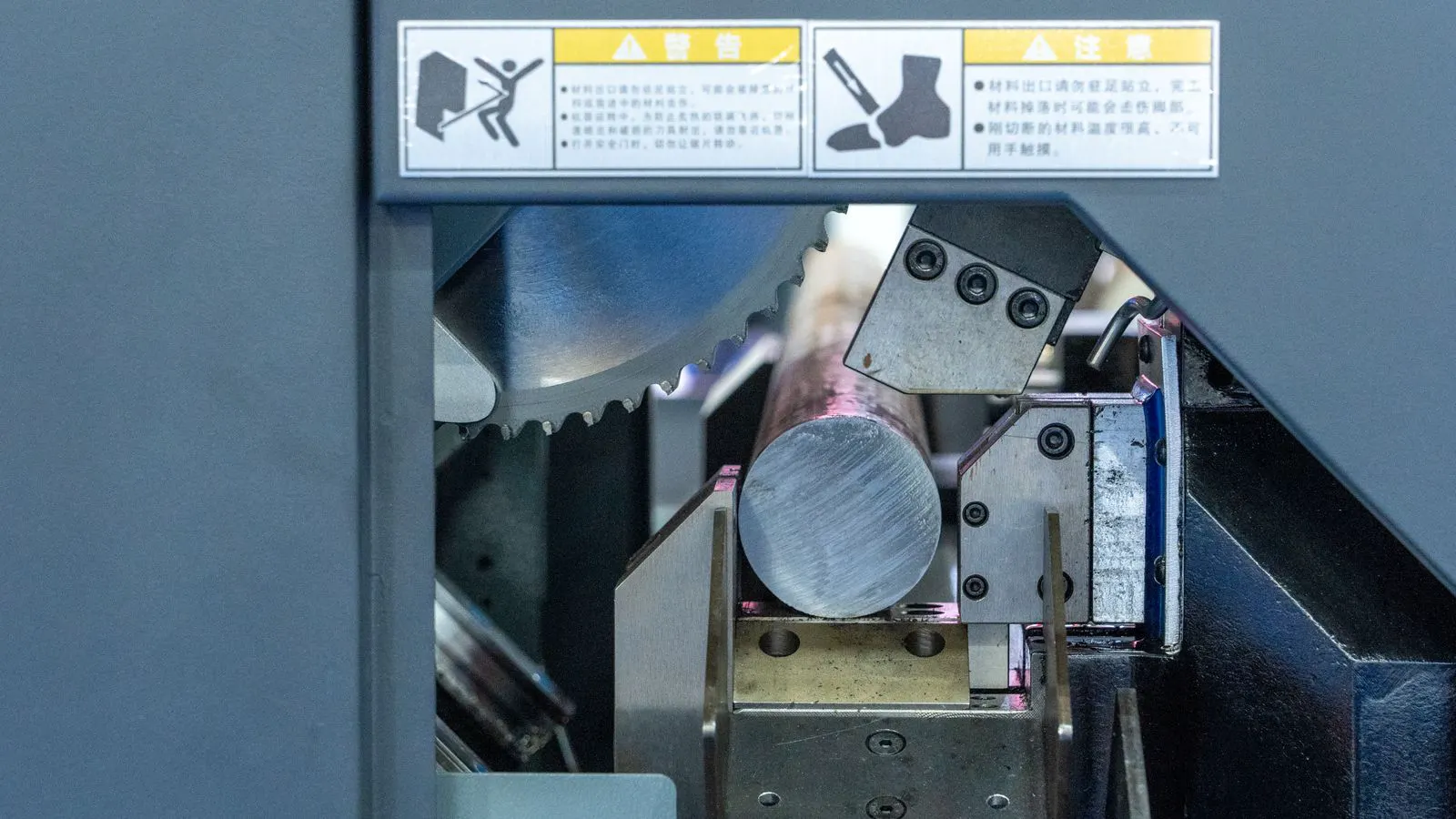
Sheet metal bending distortions usually stem from incorrect die selection, material variation, or setup errors. This guide identifies common symptoms like spring-back
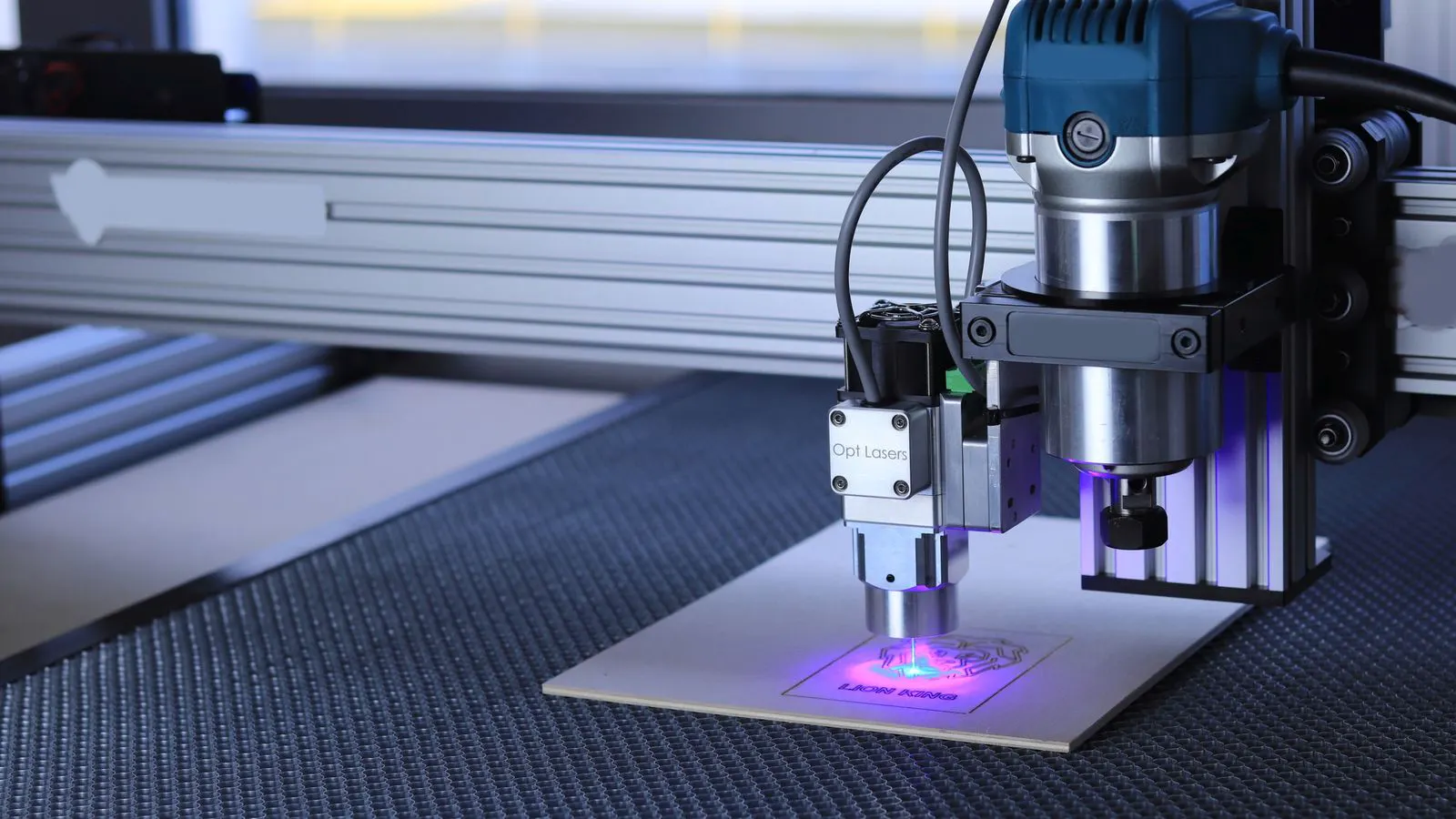
Laser cutting sheet metal is generally faster and cheaper for thin to medium stock, while waterjet handles thicker or sensitive materials without heat. Lead time depends
Verify flat sheet metal parts by checking kerf width, bevel angles, edge finish, and material integrity. This checklist helps buyers detect cutting method errors
Sheet thickness directly limits the achievable bend angle and radius. Thinner gauges allow tighter tolerances but require careful tooling. This guide explains the
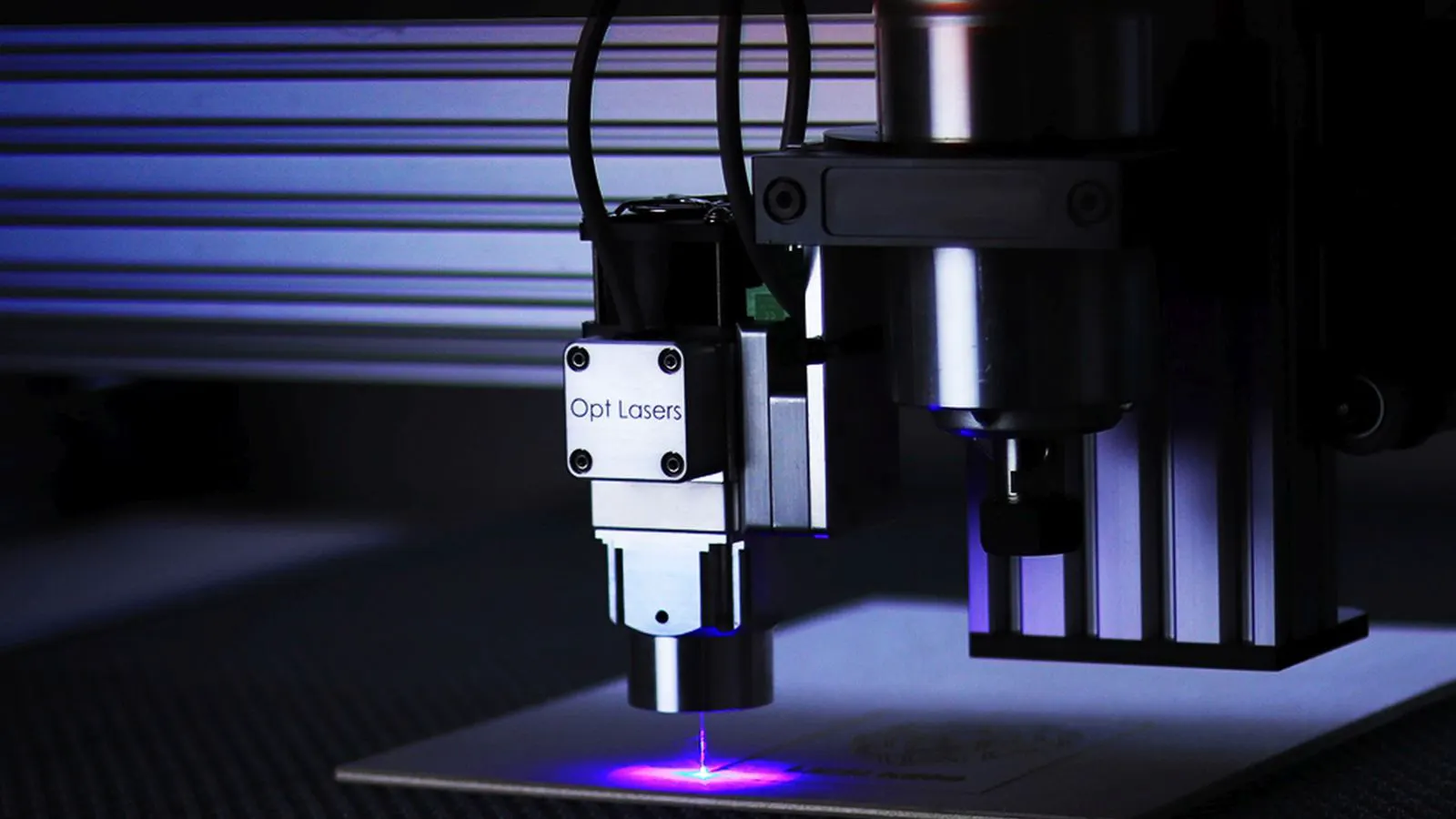
Select a sheet metal fabrication vendor by verifying their specific cutting methods for sheet metal, material thickness limits, and tolerance capabilities. Request
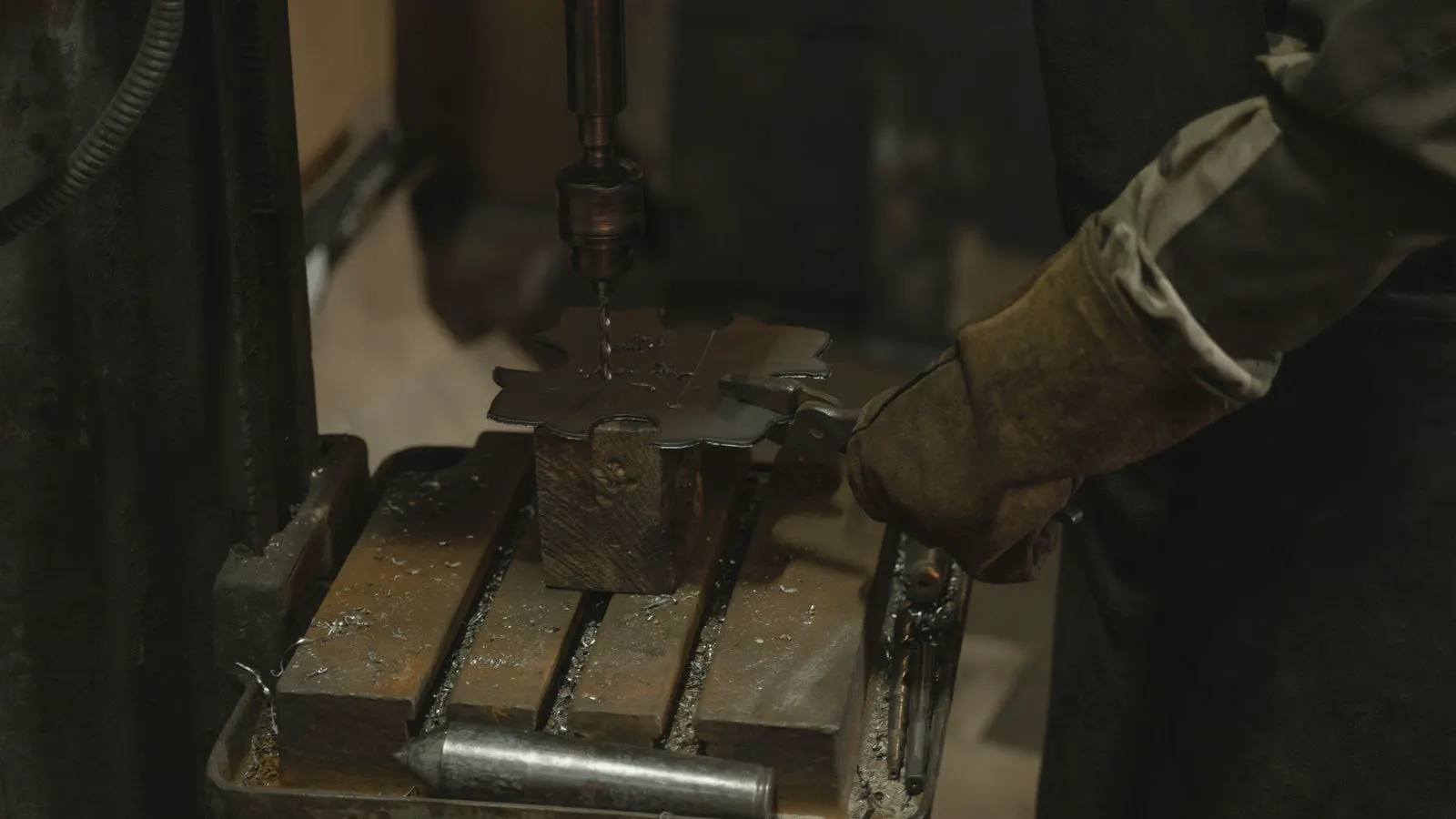
The brake bending process involves aligning the upper and lower tooling to create consistent bends. This guide explains how to select dies, calculate bend allowance, and
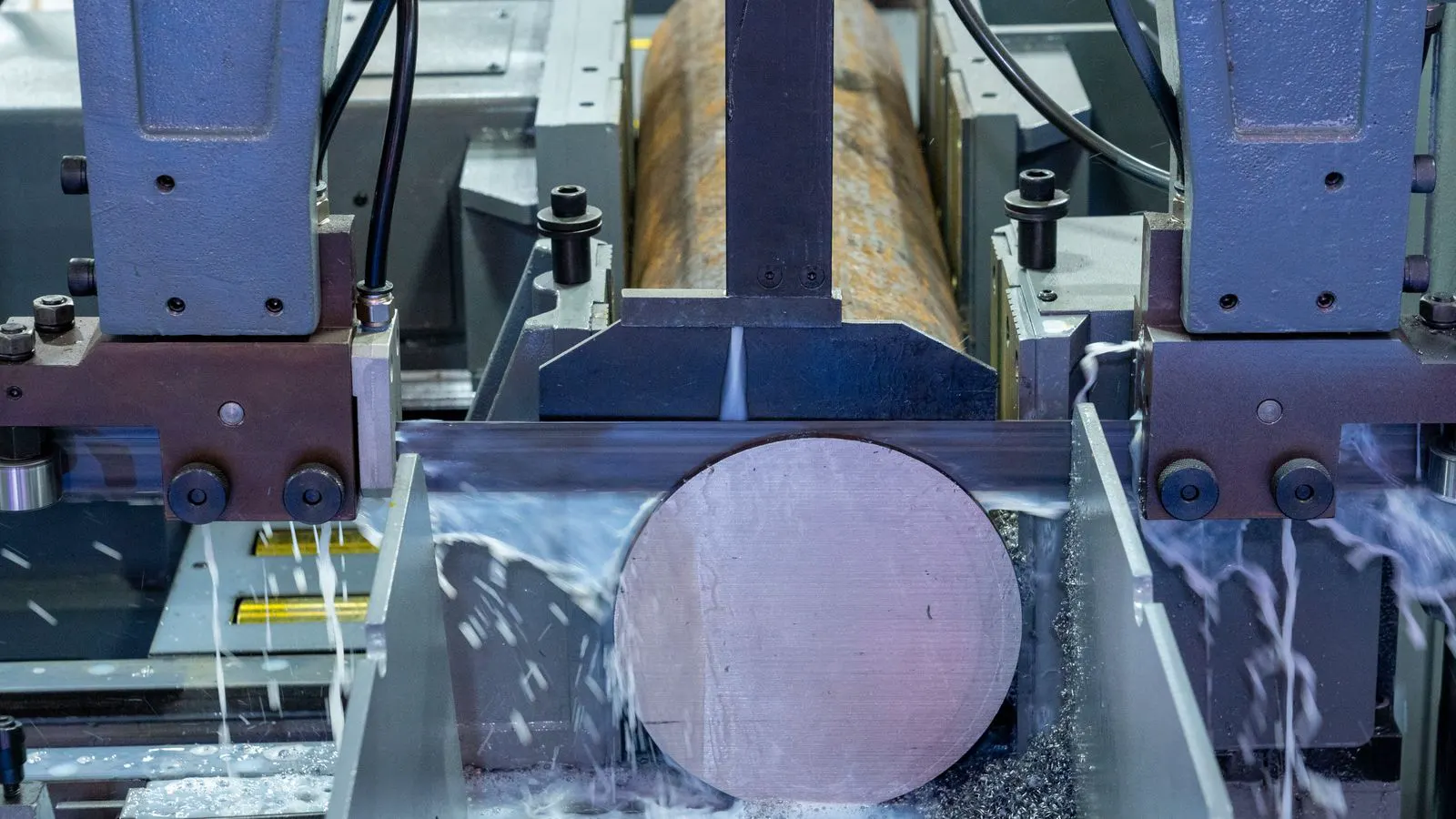
Choose waterjet cutting over plasma when heat-affected zones or corrosion are unacceptable. This guide outlines the specific scenarios where waterjet is preferred, the
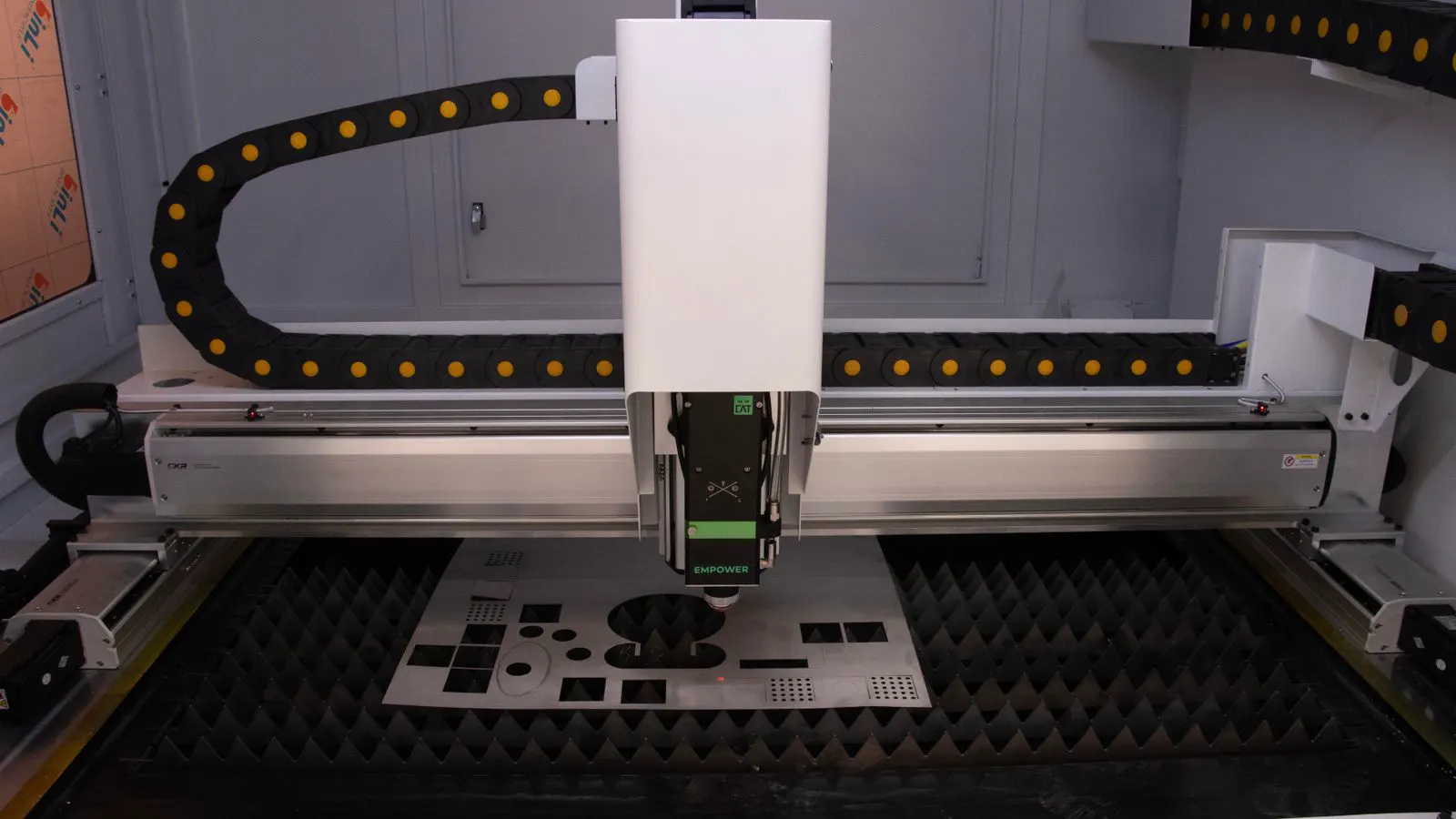
Laser cutting sheet metal provides tighter tolerances and cleaner edges for thin to medium thickness materials, while plasma cutting handles thicker plate at lower cost.