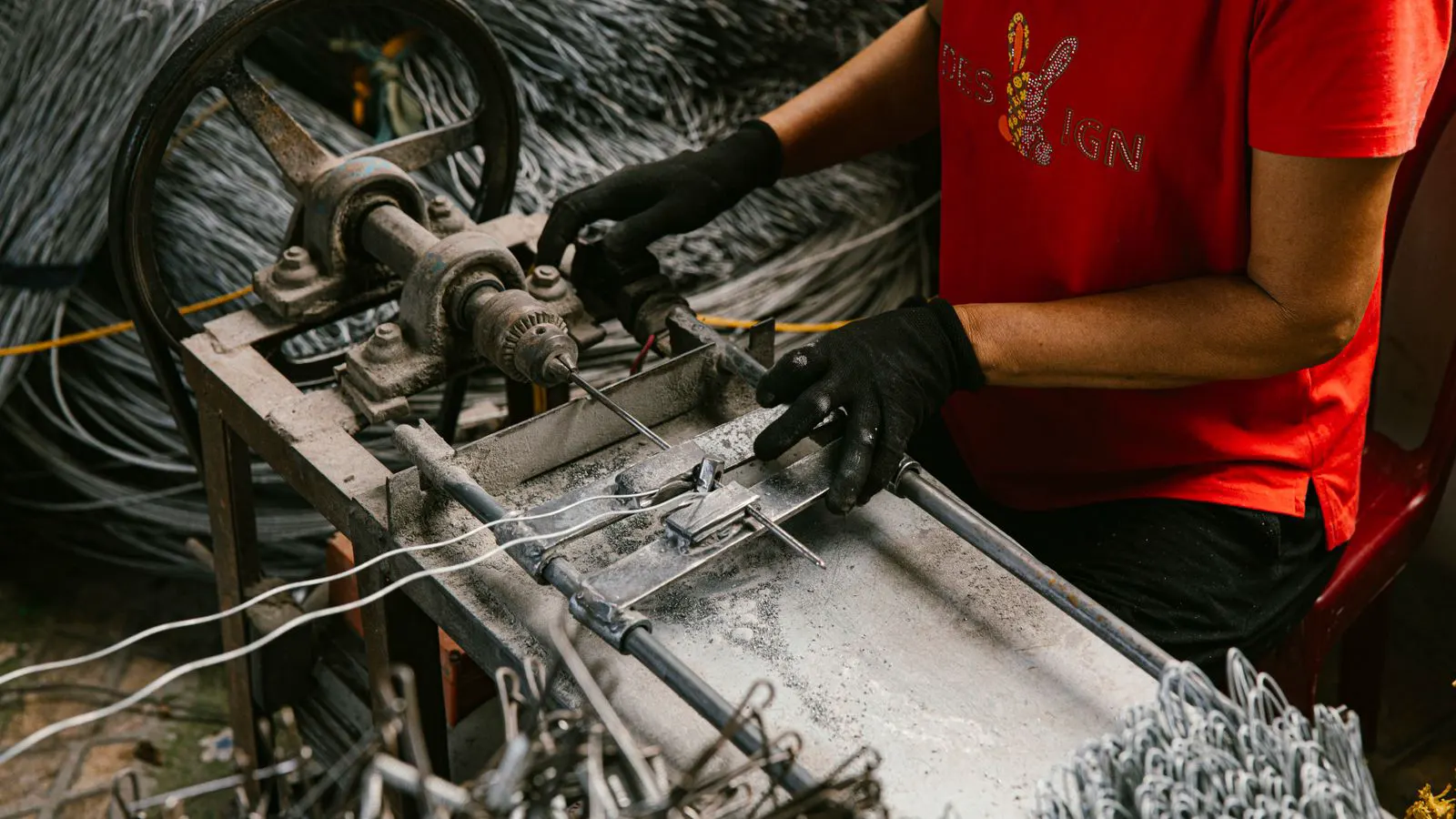
CNC bending delivers higher speed and repeatability for production runs, while manual bending offers flexibility for low-volume or irregular jobs. The right choice depends on part quantity, material, and required bend tolerance.
- CNC bending machines provide consistent results and faster cycle times for high-volume production
- Manual bending remains suitable for small batches, prototyping, and one-off parts
- Bend accuracy depends on tooling, material thickness, and operator skill
- Consider part count, tolerance requirements, and material properties before selecting a method
- Both methods have distinct advantages depending on project scope and quality demands
What drives the choice between CNC and manual bending
Sheet metal fabricators face a recurring decision: use a CNC bending cell or a manual press brake. The answer hinges on production volume, part complexity, and tolerance requirements. A single bracket may bend in seconds on either system, but a batch of two hundred identical enclosures tells a different story.
CNC bending machines use computerized controls to position rams, dies, and back gauges with millimeter precision. Each bend repeats with minimal variation. The controller stores tool data, bend sequences, and material offsets in memory. When a new job loads, the machine recalls these parameters automatically. Manual bending relies on the operator to set stop bars, select dies, and apply pressure by feel or gauge reading. The human element introduces variability but also flexibility. An operator can change a die or adjust a stop bar in seconds without waiting for a software prompt.
How bending speed compares in practice
CNC bending excels when the same part repeats. Once programmed, the machine moves quickly from one workpiece to the next. Back gauge positioning, ram stroke, and bend sequence all run on a fixed cycle. For a production run of fifty to several hundred units, this consistency translates into shorter total lead times. The machine does not slow down as the count increases. It maintains the same cycle time from part one to part five hundred.
Manual bending can be faster for a single part or a small batch. There is no setup time for programming or tool changes. An experienced operator can adjust the stop bar and bend a plate without waiting for a machine cycle. For prototyping or one-off repair work, this directness saves minutes to hours. An operator can walk to the brake, pick up the sheet, and start bending immediately. There is no waiting for the controller to verify coordinates or clear an error flag.
The speed advantage shifts as quantity grows. CNC systems maintain a steady pace regardless of part count. Manual work slows when fatigue sets in or when each part requires slight adjustment. A shop producing a few hundred parts daily will find the CNC cell keeps up. The same shop handling a dozen custom brackets may find manual bending quicker and less costly to run. In high-volume scenarios, the CNC machine can bend a panel while the operator loads the next piece. This overlap reduces idle time significantly.
How bending accuracy differs between methods
Bend accuracy depends on material consistency, tooling, and control method. CNC bending holds position to fractions of a millimeter. The machine remembers the exact back gauge location and ram force for each bend. Repeatability across hundreds of parts stays tight. The controller tracks the ram position in real time, stopping the stroke at the precise moment the desired angle is reached.
Manual bending accuracy varies with operator attention. A skilled operator can hold tight tolerances, but consistency over time suffers. Slight shifts in stop bar position or uneven pressure create variation. For parts requiring tight bend angle control, this variability becomes a problem. An operator who has been working for eight hours may not apply the same pressure as one who started the shift. The back gauge may shift millimeters during repeated strikes without the operator noticing.
Material behavior affects both methods. Steel, aluminum, stainless, and copper each respond differently to bending. CNC systems compensate through programmed offsets, but material lot variation still affects results. Manual operators rely on experience to adjust on the fly. Both methods require proper die selection and material preparation to achieve acceptable accuracy. A plate with uneven thickness or a die with a worn corner will produce inconsistent bends regardless of the control method.
When each method fits the job
| Option | Best for | Limitations |
|---|---|---|
| CNC bending | High-volume production, tight tolerances, complex multi-bend parts | Higher equipment cost, setup time for new designs |
| Manual bending | Prototyping, low-volume work, one-off repairs, flexible tooling | Operator variability, slower for large batches |
| Hybrid approach | Mixed production with occasional custom work | Requires skilled operators and careful scheduling |
| Semi-automatic bending | Mid-volume runs with some manual adjustment | Less consistent than full CNC, more setup than manual |
CNC bending makes sense when the part design is stable and production runs extend into the hundreds. The programming investment pays off quickly. Complex parts with multiple bends benefit from the machine ability to sequence operations precisely. A enclosure with six bends at different angles and depths requires careful sequencing to avoid material distortion. The CNC controller handles this logic without operator intervention.
Manual bending works best for small batches, prototypes, or parts that change frequently. The flexibility to adjust tooling and setup on the fly saves time. For repair work or custom fabrication where each part differs, manual control offers practical advantages. An operator can bend a unique shape that does not fit standard die configurations without reprogramming the entire cell.
A hybrid approach suits shops that handle both production and custom work. The CNC cell handles high-volume parts while manual stations manage low-volume jobs. This setup requires skilled labor who can operate both systems effectively. The shop must schedule jobs carefully to avoid bottlenecks. If the manual station is busy, the CNC operator cannot hand off parts for finishing.
How to evaluate bend quality after bending
After bending, inspect the part for angle accuracy, edge quality, and surface damage. Measure bend angles with a digital protractor or use a CMM for higher precision. Check for cracks, kinks, or distortion on the outside of the bend. Stainless steel and thinner materials are more prone to surface defects. Look for stress marks or discoloration that indicate the metal exceeded its yield point.
Compare bent parts against drawings and specifications. Tolerance requirements vary by application. A decorative bracket may allow looser tolerances than a structural component. Verify that all bends meet the specified angle and position. Check the distance from the bend line to the nearest edge, known as the bend allowance. If the bend line is too close to the edge, the material may tear during the strike.
Document any recurring issues. If CNC parts show consistent deviation, check tooling alignment and material feed. If manual parts vary, review operator technique and stop bar placement. Troubleshooting bend distortions early prevents rework and scrap. Keep a log of material lots, die numbers, and operator names. This data helps identify patterns. If one lot of material consistently produces sharp angles while another produces dull ones, the issue is material, not machine.
What to consider before selecting a bending method
Before choosing between CNC and manual bending, review the full part specification. Material type, thickness, and bend quantity all influence the decision. A ten-millimeter steel plate bends differently from a one-millimeter aluminum sheet. The tonnage required for the heavier plate demands a larger brake. The lighter sheet may require a smaller die to avoid cracking.
Assess the production schedule. Rush jobs with small quantities favor manual bending. Steady production runs favor CNC. Consider the cost of setup, labor, and potential rework. A CNC system may cost more upfront but reduce labor and error over time. If the part design changes monthly, the programming cost for each revision may outweigh the labor savings.
Evaluate operator availability. CNC machines require operators who understand programming and setup. Manual bending depends on skilled workers who can judge material behavior. Both methods need proper training to perform well. A new operator on a manual brake may guess at the stop bar position, leading to scrap. A new operator on a CNC brake may miss a calibration step, causing inconsistent angles.
How bend tolerance requirements shape the decision
Tight bend tolerances push the decision toward CNC. When parts must fit together precisely, repeatability matters. CNC systems deliver consistent results that manual work may not match over extended runs. If a panel must fit into a housing with a two-millimeter clearance, manual bending risks exceeding the limit. The CNC system holds the angle within a fraction of a millimeter, ensuring the panel slides into place every time.
Looser tolerances allow more flexibility. For cosmetic parts or non-critical assemblies, manual bending may suffice. The cost of CNC setup may not justify the precision it provides for less demanding applications. A sign frame or a decorative shelf does not require micron-level accuracy. The visual appearance and structural strength are the primary concerns, not angular precision.
Thickness affects bend accuracy significantly. Thinner materials are more forgiving but also more sensitive to distortion. Thicker materials require more force and careful tooling. Both methods handle different thickness ranges, but the tolerance window narrows as thickness increases. Bending a thick plate requires a large die to prevent cracking, and the back gauge must be extremely precise to avoid shifting the bend line.
Common mistakes in selecting a bending method
Shops often over-invest in CNC systems for low-volume work. The equipment cost may not recover if production stays small. Manual bending handles those jobs more economically. If a shop bends twenty parts a month, the CNC programming time and machine depreciation will eat into margins. The operator can manage the job with a standard press brake and standard dies.
Operators sometimes rely on manual bending for high-volume work to avoid setup time. This creates bottlenecks and quality variation. The short-term time savings rarely justify the longer-term cost of rework. If the operator bends two hundred parts manually, even small errors accumulate. The final assembly may fail if the parts do not match the drawing.
Ignoring material variation leads to inconsistent results. Both methods require proper material preparation. Checking edge quality before bending prevents downstream defects. A plate with burrs or dents will bend unevenly. The operator must deburr the edges and verify the material is flat. If the material is not flat, the bend line will shift, and the part will be out of tolerance.
Both methods have clear roles in sheet metal fabrication. CNC bending delivers speed and accuracy for production. Manual bending offers flexibility for low-volume and custom work. The right choice depends on part requirements, production volume, and shop capabilities. Matching the method to the job keeps projects on schedule and within tolerance.
Frequently asked questions
Which bending method is faster for small batches of sheet metal parts?
Manual bending is typically faster for small batches because there is no programming or setup time. An operator can adjust tooling and start bending immediately.
How does CNC bending compare to manual bending for tight angle tolerances?
CNC bending provides tighter and more consistent angle tolerances due to computerized control. Manual bending can hold tolerances but introduces operator variability over time.
What factors should I consider when choosing between CNC and manual bending?
Consider part quantity, material type and thickness, tolerance requirements, and production schedule. High-volume work with tight tolerances favors CNC. Low-volume or custom work favors manual.
Can a shop use both CNC and manual bending for the same project?
Yes, many shops use a hybrid approach. CNC handles production runs while manual stations manage prototypes, small batches, or custom modifications.
How does material thickness affect bending accuracy in both methods?
Thicker materials require more force and precise tooling, which narrows the tolerance window. Both methods must account for material thickness to achieve acceptable bend accuracy.