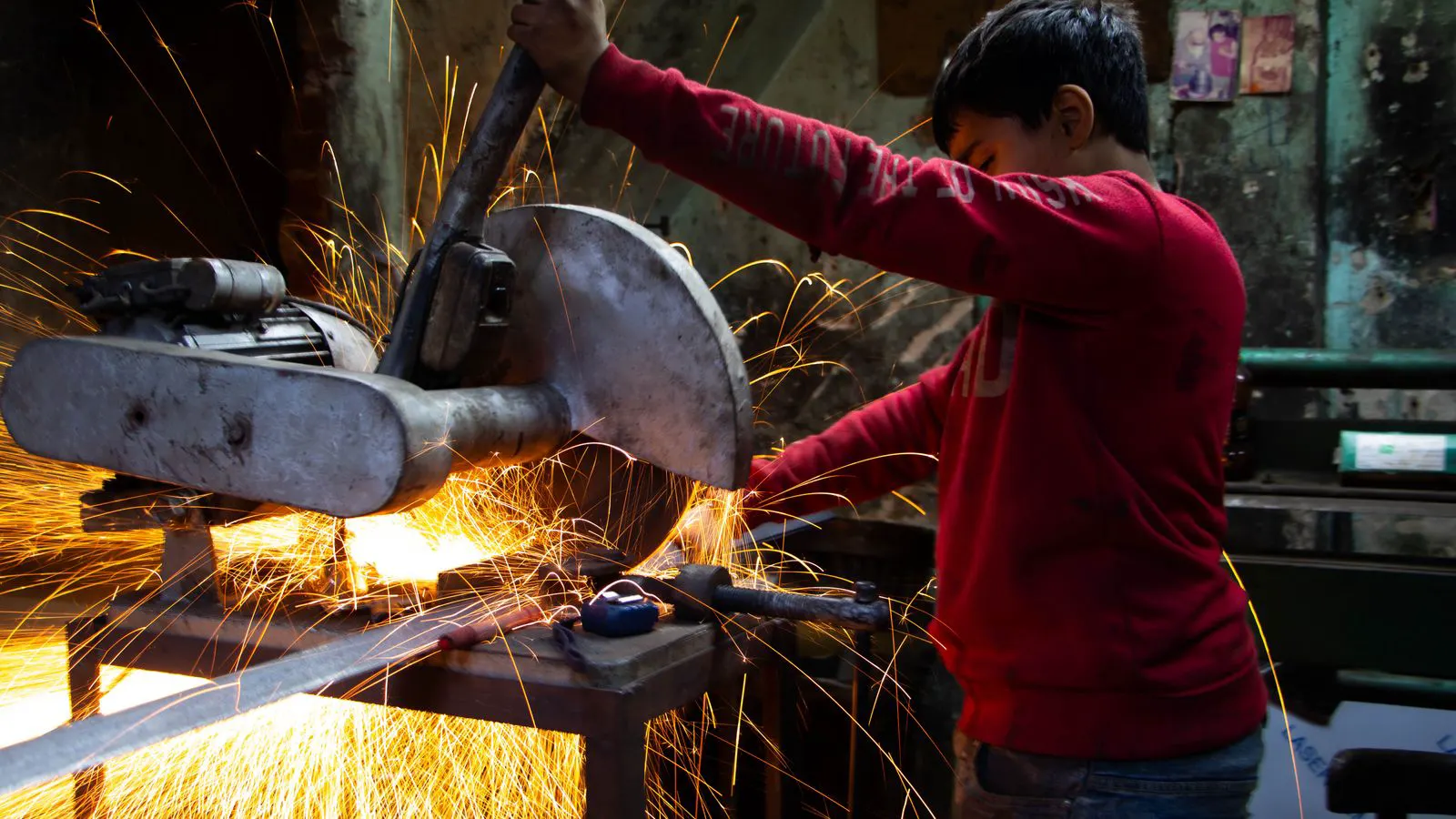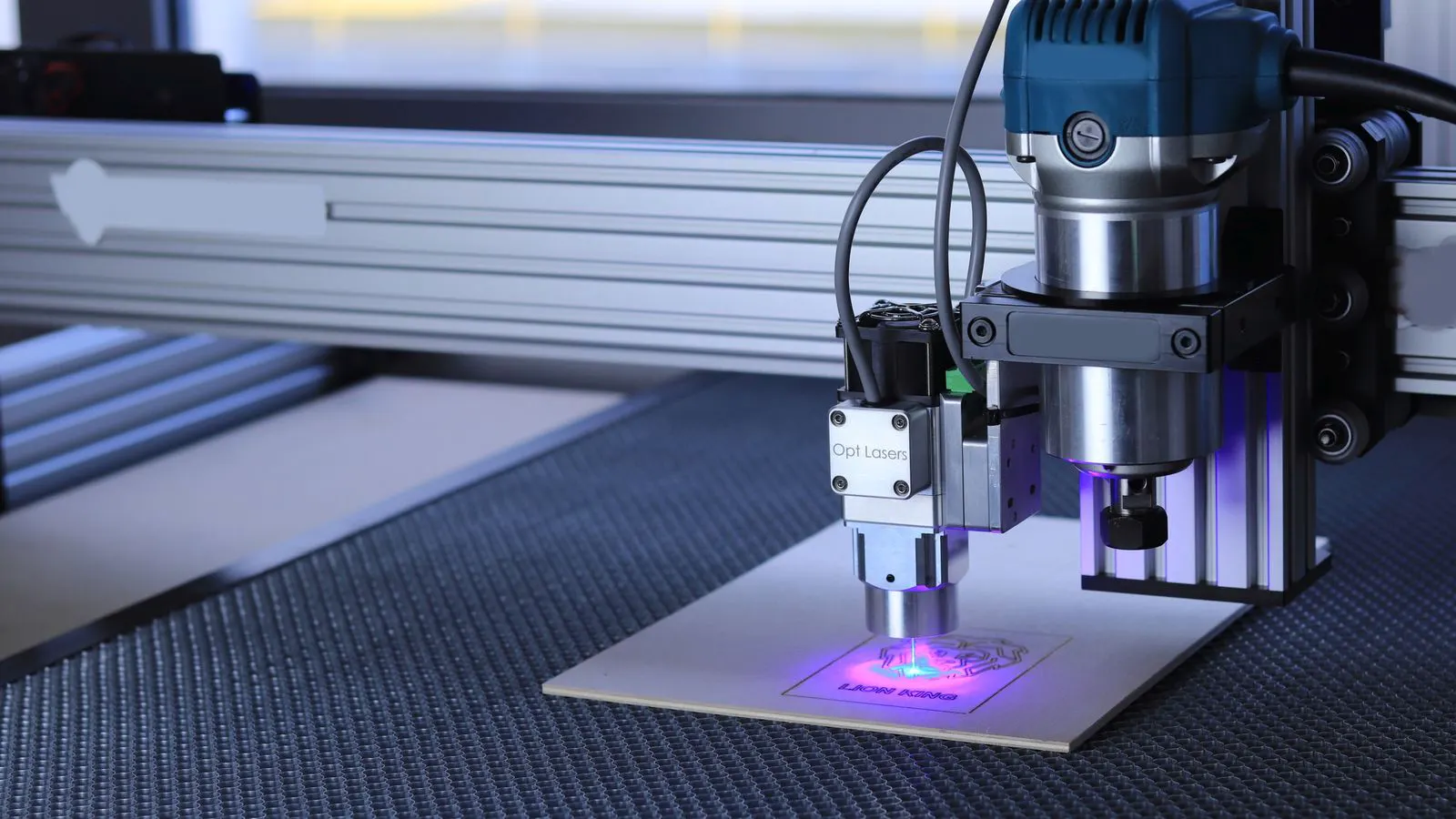
Laser cutting sheet metal is generally faster and cheaper for thin to medium stock, while waterjet handles thicker or sensitive materials without heat. Lead time depends on file preparation, part complexity, and shop capacity.
- Laser cutting sheet metal is usually faster and less expensive than waterjet for thin to medium thickness steel and aluminum.
- Waterjet cutting cost rises with material thickness and complexity, but it avoids heat-affected zones and handles difficult alloys.
- Fabrication lead time is driven by CAD file readiness, part quantity, nesting efficiency, and shop capacity, not just the cutting method.
- Compare quotes by asking for per-part cost, setup fees, and total lead time rather than relying on machine hourly rates.
- A clear RFQ with exact material specs and tolerance requirements prevents rework and delays.
Why the Cutting Method Changes Your Quote
The price and delivery window for a sheet metal job depend on how the shop processes your files and which machine handles the cutting. Laser cutting sheet metal is the standard for thin and medium stock because the process is fast and the machines are widely available. Waterjet cutting cost is higher per part, but the method is preferred when heat is a problem or the material is thick.
A buyer often assumes the machine type is the only cost factor. In practice, the quote reflects file preparation, nesting efficiency, material grade, and the shop’s current workload. A simple flat gusset in mild steel may ship in three business days from a laser shop. The same gusset in stainless steel, if sent to a waterjet shop, may take a week and cost significantly more.
Consider a bracket designed for a heavy industrial machine. If it is made from 6 mm mild steel, a laser machine will slice through the material quickly. The kerf, or the width of the cut, is narrow, allowing the shop to nest many identical parts on a single sheet. This high density on the sheet reduces the raw material cost per unit. If you switch that same bracket to 25 mm stainless steel, the laser struggles. The material is thick, and stainless reflects laser energy differently than mild steel. The laser may need multiple passes to cut through, or it may overheat the material, causing discoloration. In this scenario, the waterjet becomes the practical tool. The abrasive stream cuts through the thick stainless without adding heat. The production time is longer, and the machine hours are higher, but the part is structurally sound and free from thermal distortion.
What Drives the Price of Each Method
Laser cutting sheet metal is priced on several variables. The base rate is often tied to the machine’s hourly capacity, but most shops quote by part or by cut length. Thin material is cheaper because the laser cuts through quickly. As thickness increases, the laser slows down or may require multiple passes, which raises the per-part cost.
The laser head moves across the sheet, burning away material with a focused beam. For 1 mm aluminum, the cut speed is high. The machine might cover a meter in seconds. For 10 mm steel, the speed drops dramatically. The laser must focus and re-focus as it penetrates deeper layers. Some machines use assist gas, such as nitrogen, to help with the cut. The type of gas used also affects price. Nitrogen produces a smoother edge on non-ferrous metals but can cause oxidation on steel. Oxygen is cheaper but creates a rougher edge. The shop must choose the right gas for your material, and that choice adds to the operational cost.
Waterjet cutting cost works differently. The machine uses a high-pressure stream of water mixed with abrasive particles, such as garnet. This stream cuts through material without melting it. The abrasive slurry wears down over time, so the shop must replace it regularly. This consumable cost is built into the price. Thicker material takes longer to cut, and complex geometries increase the time the jet spends on the part.
The waterjet machine has two main cost components. The first is the machine time. Because the jet is slower than a laser, the billable hours are higher. The second is the abrasive. High-quality garnet is expensive. A shop that handles heavy-duty work, such as cutting through titanium or thick armor plate, burns through abrasive quickly. This cost is passed on to the customer. A simple circle in mild steel might cost little in abrasive, but a complex shape with many small holes will require the jet to spend more time in the same area, wearing down the garnet faster. The waterjet also requires a tank to hold the slurry and a filtration system to remove debris. Maintaining these systems adds to the overhead, which influences the final quote.
How Material and Tolerance Affect Lead Time
Lead time is the gap between when your file is accepted and when the parts are ready for bending or welding. The cutting method sets a baseline, but material choice and tolerance requirements shape the actual delivery window.
Laser cutting sheet metal is best for materials up to a certain thickness. Most standard laser setups handle mild steel, aluminum, and stainless steel well within a few millimeters. The process is fast, but it creates a heat-affected zone. For parts that will be bent or welded, this zone can change the material properties near the cut edge. If your drawing calls for tight tolerances on the cut edge, the shop may need to perform a secondary finish, which adds time.
The heat-affected zone is a thin layer of material that has been heated by the laser but not melted. In mild steel, this area may be slightly darker and harder. If you bend the part, the hardness difference can cause cracking or uneven bending. For aluminum, the heat can cause warping. For stainless, it can create a hardened layer that is difficult to drill or tap. If your part requires a precise fit, such as a mating surface, the laser edge might need to be ground or milled down. This is a secondary operation that the shop must schedule. It increases the lead time from one day to several days.
Waterjet cutting avoids the heat-affected zone. The cut edge is clean and consistent. This makes it ideal for stainless steel, titanium, or composite materials that are sensitive to heat. The trade-off is speed. Waterjet cutting is slower than laser. A shop may need to schedule waterjet jobs around other commitments because the machines are often used for high-value, complex parts.
When tolerance is tight, say plus or minus 0.1 mm, the laser may struggle if the material is thick. The beam diffuses as it cuts deeper, widening the kerf. This means the final part size might be slightly smaller than intended. The waterjet, on the other hand, cuts physically. The abrasive stream erodes the material to the exact path defined by the CAD file. There is no thermal expansion to account for. This makes waterjet a better choice for parts where dimensional accuracy is critical, such as guide rails or precision fixtures. However, because the waterjet is slower, the shop must ensure the machine is available. If the shop is busy with large aerospace panels, your small precision parts might wait.
How to Write a Clear RFQ That Reduces Delays
A vague request for a quote leads to back-and-forth emails and delayed production. To get an accurate price and lead time, your RFQ must be specific. Include the exact material, thickness, and quantity. State the tolerance requirements for the cut edge. Specify if the parts need deburring or any post-cut treatment.
A common mistake is specifying “steel” without saying which grade. 1018 steel, 1020 steel, and 304 stainless have different properties. The laser parameters change for each. If you just write “steel,” the shop must guess or ask. Asking adds time. If you specify “A36 mild steel, 3 mm thick,” the shop knows exactly what to expect. They can check their stock inventory and calculate the nesting instantly.
Attach your CAD files in the format the shop prefers, such as DXF, DWG, or STEP. If your files are not clean, the shop will spend time cleaning up geometry, which increases labor costs. A well-prepared file with closed loops and no stray lines allows the shop to nest the parts efficiently. Nesting efficiency determines how many parts fit on a single sheet. Higher nesting means lower material waste and lower cost.
Check your CAD file before sending it. Ensure all lines are closed. If a line is open, the cutting machine will not know where to stop. It might cut the entire sheet or stop at the first intersection. Open lines are a common cause of scrap parts. Also, check for overlapping lines. If two lines overlap, the machine might cut twice, wasting time and damaging the edge. A clean file saves the shop labor hours. You want the shop to spend their time cutting, not fixing your geometry.
State your quantity clearly. Are you ordering 50 parts or 5000? The setup cost is the same for both, but the per-part cost drops significantly for the larger quantity. If you are ordering a small batch, ask if the shop offers a minimum setup fee. Some shops charge a flat rate for the first hour of machine time. If your job takes only 15 minutes, you might pay for the full hour. Knowing this upfront helps you budget correctly.
How to Compare Quotes Fairly
When you receive quotes, do not compare the total price alone. Break down the costs. Ask for the per-part cost, any setup fees, and the estimated lead time. Two shops may offer different prices because they use different nesting strategies or machine capacities.
One shop might quote a lower price but a longer lead time because they are running the job on a secondary machine. Another shop might charge more but deliver faster because they have a dedicated laser line. The true cost includes the value of your time. If a part is critical to your production schedule, a shorter lead time may justify a higher price.
Also, ask about the shop’s capacity. If they are currently at full capacity, your job may be queued behind others. A shop with available slots can start your job immediately, reducing the lead time. This is often more valuable than a small saving in the per-part cost.
When reviewing the quote, look for hidden costs. Does the price include shipping? Is there a fee for file conversion? If you are asking for a specific material grade, is the shop charging for that specific stock, or are they using a generic alternative? Clarify the material source. Some shops buy raw sheet metal and cut it themselves. Others buy pre-cut blanks. If you provide the material, the shop may charge less for cutting but more for handling. If they provide the material, the price includes the cost of the sheet. Compare apples to apples. Do not compare a quote that includes material with one that does not.
Ask about the quality of the edge. A lower price might come with a rougher edge. If your next step is welding, a rough edge might be acceptable. If your next step is painting, the rough edge might show defects. Ask if the quote includes deburring. Deburring is the removal of burrs and sharp edges from the cut. It is often a separate labor cost. If you skip deburring, you must do it in-house, which takes your own labor time. Factor that into your total cost.
What to Ask Before Approving a Quote
Before you sign off on a quote, ask three questions. First, what is the heat-affected zone width for the laser cut, and does it meet your tolerance? Second, what is the expected lead time from file approval to parts ready? Third, what is the tolerance on the cut edge, and is it guaranteed?
For laser cutting sheet metal, confirm that the material grade is compatible with the laser. Some alloys require specific laser parameters. For waterjet, confirm that the abrasive grade is suitable for the material. These details prevent surprises during production. If the shop cannot answer these questions clearly, they may not have the experience to handle your job reliably.
Ask the shop to provide a sample cut if possible. If you are ordering a large batch, a single sample allows you to verify the edge quality and dimensions before the full run begins. This is especially important for new material or new geometry. If the sample is not acceptable, you can request changes before the shop cuts the entire batch. This prevents a large amount of scrap.
Verify the delivery terms. Is the lead time from when you send the file, or from when the shop approves the file? There is a difference. The shop must review your file, check for errors, and approve it. This review takes time. If you send a complex file, the review might take a day or two. The lead time should include this review period. If the quote says “5 days lead time,” clarify if that is 5 days from file receipt or 5 days from file approval. This distinction can save you from a missed deadline.
Cost and Lead Time Drivers
The following table summarizes the primary factors that influence cost and lead time for both methods.
| Cost Driver | Laser Cutting Sheet Metal | Waterjet Cutting Cost |
|---|---|---|
| Material Thickness | Cost increases with thickness due to slower cut speed | Cost increases significantly with thickness due to longer cut time |
| Material Type | Standard steel and aluminum are efficient; some alloys require tuning | Handles a broad range of materials without heat damage |
| Part Complexity | Simple shapes are fast; intricate details increase time | Complex shapes are possible but take longer per part |
| Setup and Nesting | Efficient nesting lowers cost; poor nesting wastes material | Setup is similar, but material cost is higher due to slower cutting |
| Post-Cut Processing | May require deburring if heat-affected zone is an issue | Edge is clean, but may still require light deburring |
| Lead Time Factor | Shorter lead times for standard jobs | Longer lead times due to slower cutting speed |
Final Considerations for Your Project
The choice between laser and waterjet is not just about price. It is about fit for the job. If your parts are thin, simple, and made from standard steel or aluminum, laser cutting sheet metal is the practical choice. It is fast, affordable, and widely available. If your parts are thick, made from heat-sensitive materials, or require a clean edge without any heat distortion, waterjet is the better option.
Always provide a clear RFQ and compare quotes based on total value, not just the lowest number. The right cut method will save you money in the long run by reducing rework and keeping your production on schedule.
Frequently asked questions
Is laser cutting sheet metal always faster than waterjet?
Yes, laser cutting is generally faster for thin to medium thickness materials. Waterjet is slower because the abrasive stream takes longer to cut through the material.
What is the biggest cost factor in waterjet cutting?
Material thickness is the biggest cost factor. Thicker material requires more time for the abrasive stream to cut through, which increases labor and consumable costs.
How does file preparation affect fabrication lead time?
Poorly prepared files cause delays because the shop must clean up geometry and re-nest parts. Clean, closed-loop files allow for immediate nesting and faster production.
Can I get a quote without providing exact tolerances?
Yes, but the quote will be an estimate. Without exact tolerances, the shop cannot guarantee the final quality, and changes later may require rework and additional costs.
Which method is better for stainless steel?
Laser cutting is suitable for thin stainless steel, but it creates a heat-affected zone. Waterjet is better for thicker stainless or when a clean edge without heat damage is required.