Select a sheet metal fabrication vendor by verifying their specific cutting methods for sheet metal, material thickness limits, and tolerance capabilities. Request sample cuts and review documentation before awarding production work.
- Match the cutting method to the material thickness and required edge quality.
- Request sample cuts before committing to a full production run.
- Verify that the vendor can handle your specific alloys and thicknesses.
- Review documentation and tolerance reports to confirm quality control.
- Ask about lead times and capacity to avoid project delays.
What Cutting Methods Should You Request?
Selecting a sheet metal fabrication vendor requires more than a price quote. You need to confirm that the shop can produce your specific parts within your required tolerances and delivery windows. The core of this decision rests on understanding the cutting methods for sheet metal available to the vendor and how they align with your project requirements.
The choice of cutting method dictates the edge quality, maximum part size, and minimum hole spacing. Ask the vendor which processes they run in-house and which they outsource. Common methods include laser cutting, plasma cutting, waterjet cutting, and mechanical shearing. Each method has distinct physical limitations that directly affect part functionality and cost.
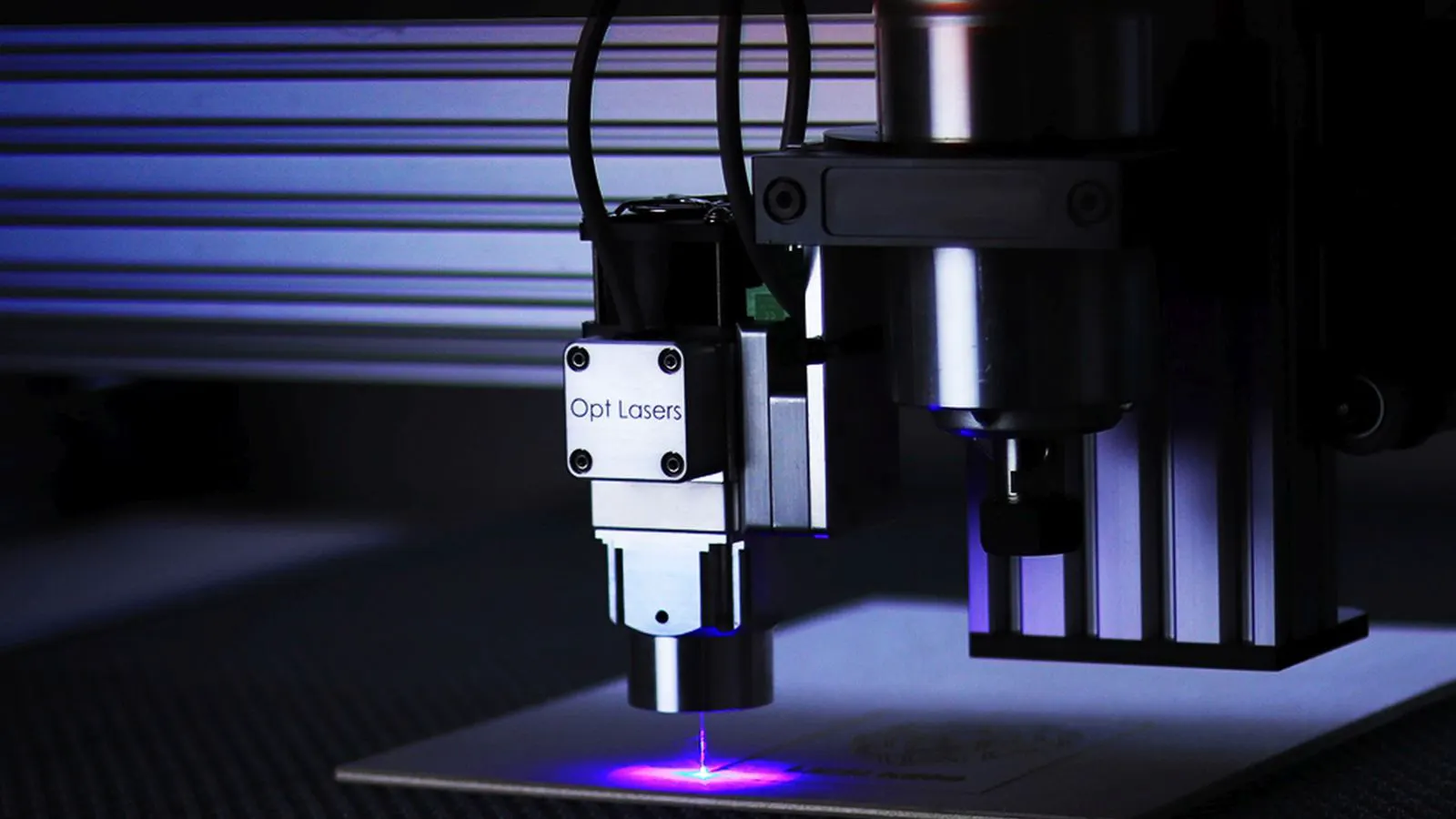
Laser cutting is often the default for thin to medium thickness sheet metal. It produces a clean edge with minimal heat affected zone. It works well for stainless steel, aluminum, and mild steel. The maximum part size is limited by the machine bed. A typical mid-range laser bed measures around 3 meters by 2 meters. If your part exceeds these dimensions, the vendor may need to cut the sheet into smaller panels and weld them, which changes the cost and assembly requirements. For thin gauges below 1 mm, laser cutting remains the standard because the kerf width is narrow enough to preserve fine features.
Plasma cutting handles thicker sections than lasers. It is faster and less expensive for heavy gauge material. However, the edge quality degrades as thickness increases. The kerf width is wider, and the heat affected zone is larger. Use this for thicker structural parts where edge finish is secondary. For example, a 20 mm thick steel plate used for a machine guard might be cut with plasma because the edge will be painted over, making the slight taper and discoloration irrelevant. If the part is load-bearing or requires a tight fit, plasma becomes problematic because the heat distortion can warp the sheet before it is even cut.
Waterjet cutting is the standard for non-ferrous metals and sensitive materials. It uses a high-pressure water stream with abrasive slurry to cut the material. No heat is applied. This makes it suitable for aluminum, titanium, and copper alloys. It handles complex shapes and larger part sizes. Because the cutting medium is liquid, it does not cause thermal expansion or contraction. This is critical for parts that must maintain strict geometric accuracy. The abrasive jet can cut through layers of metal and non-metal materials in a single pass, which is useful for prototype development where you want to test material combinations.
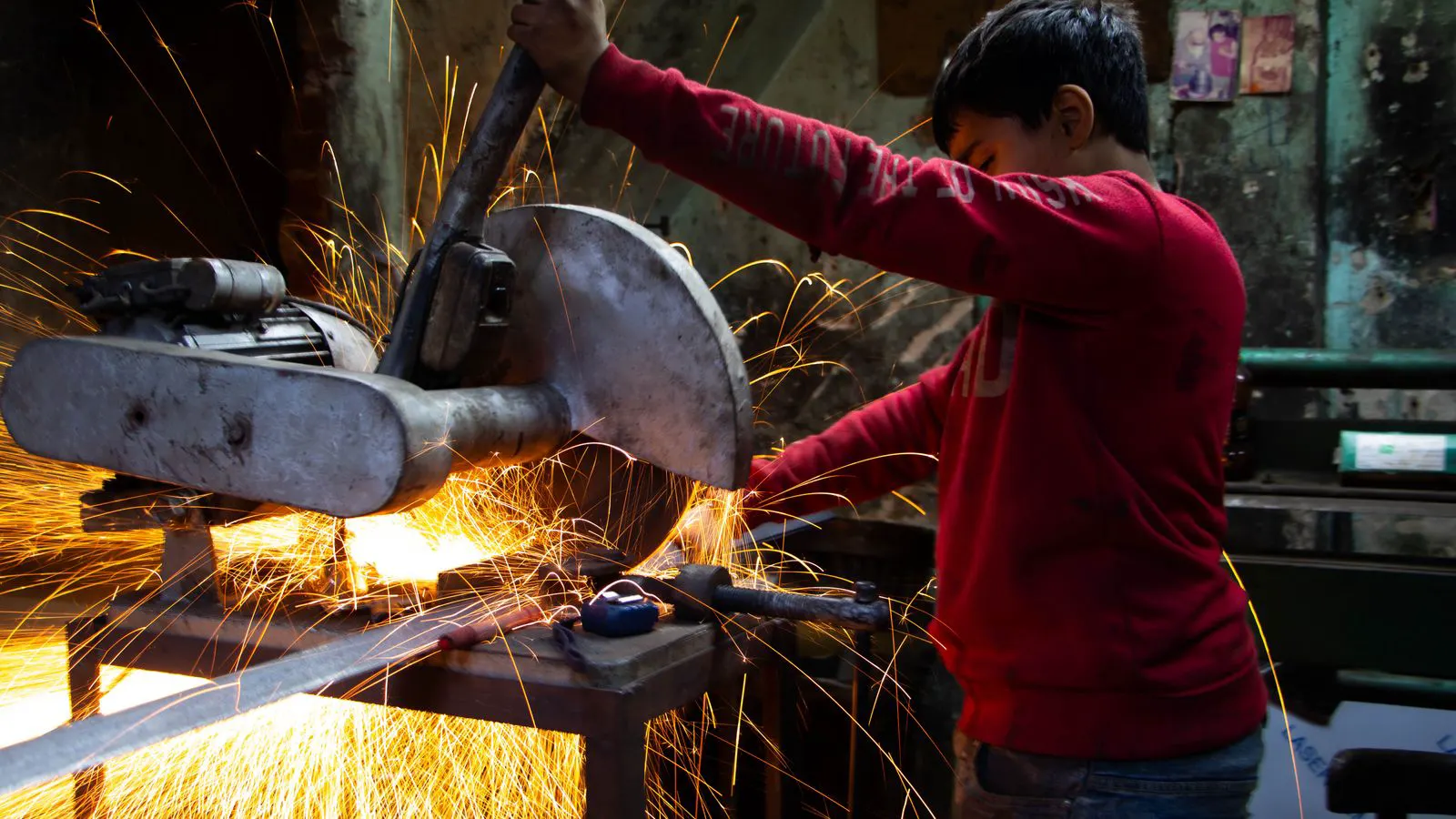
Mechanical shearing is used for straight cuts. It is fast and cost-effective for simple geometries. It is not suitable for complex shapes or small holes. Shears work best when the part consists of long, straight lines or simple rectangles. If your design includes curved edges or multiple internal holes, shearing is not a viable option for the entire process. Vendors often use a combination of methods. For instance, they might shear a large sheet into rough blanks and then use a laser to cut the final shape.
| Cutting Method | Typical Thickness Range | Edge Quality | Best For |
|---|---|---|---|
| Laser Cutting | 0.5 mm to 20 mm | Excellent | Thin to medium sheets, complex shapes |
| Plasma Cutting | 3 mm to 100 mm | Good | Thick sections, structural parts |
| Waterjet Cutting | 0.1 mm to 100 mm | Excellent | Non-ferrous metals, heat sensitive alloys |
| Mechanical Shearing | 0.5 mm to 15 mm | Good | Straight cuts, simple shapes |
What Material Limitations Must the Vendor Handle?
Not all shops process all materials. Ask specifically about your alloy grades. Stainless steel 304 and 316, aluminum 6061 and 6063, mild steel, and copper alloys all have different cutting characteristics. The reflectivity and conductivity of these materials interact differently with plasma arcs and laser beams.
Aluminum requires a different plasma or laser setting than steel. The reflectivity of aluminum can damage a laser head if the power is not managed correctly. Some vendors limit their laser cutting capabilities for aluminum to avoid equipment wear. Waterjet is often preferred for aluminum to avoid heat distortion. If you are cutting a large aluminum panel, ask whether the shop uses a laser with a specific frequency or a waterjet. The difference in cost can be significant, and the difference in part integrity is even greater.
Stainless steel creates dross on the bottom side of the cut during plasma cutting. This dross must be ground off. If your part does not have a grinding step, ask the vendor how they handle the edge finish. Dross is a small, hardened piece of metal that melts and re-solidifies on the cut edge. It can interfere with assembly if the part needs to slide into a mating component. If the edge finish is critical, specify that the vendor must provide a ground edge. This adds labor time and cost, but it ensures the part functions correctly.
Thick material requires a different machine. A shop that specializes in thin sheet may not have a large enough plasma table for thick plate. Check the maximum bed size and the maximum thickness they cut regularly. A vendor might list plasma capability up to 100 mm in their marketing materials, but their actual production capability might be limited to 20 mm due to the power of their torches. Ask for examples of thick plate parts they have produced recently.
What Tolerances and Quality Checks Are Required?
Precision cutting demands strict quality control. Ask how the vendor measures and documents their work. Do not rely on visual inspection alone. Visual inspection catches obvious errors like missing holes or severe warping, but it cannot verify a tolerance of plus or minus 0.1 mm.
Request a tolerance report. A good vendor provides dimensional measurements for critical features. They may use a CMM, a laser scanner, or manual calipers. The method depends on the part size and complexity. A small bracket might be checked with digital calipers, while a large frame might be scanned with a laser to generate a point cloud for comparison against the CAD model. Ask which method they use for your specific part size.
Ask about edge finish. Does the cut have a smooth edge, or is there roughness? Laser and waterjet produce smooth edges. Plasma produces a rougher edge that may need grinding. The edge finish affects both function and appearance. For a part that will be exposed, such as a decorative panel, a rough plasma edge is unacceptable. For a hidden structural component, a rough edge might be acceptable if it does not interfere with assembly.
For parts with tight hole spacing, ask about the minimum hole size and the distance from the hole to the edge. Plasma has a larger kerf and a larger minimum hole size than laser. If your design has small features, plasma may not be viable. The kerf is the width of the cut. If the kerf is 2 mm, you cannot reliably cut a hole smaller than 3 mm without distorting the hole shape. Laser kerfs are much narrower, often under 0.5 mm, allowing for finer details.
What Documentation and Certifications Should You Review?
The sheet metal fabrication vendor must provide documentation for your part. Ask for a cutting report, a material certificate, and a quality inspection report. These documents form the basis of your quality assurance process. Without them, you have no proof of material grade or dimensional accuracy.
Material certificates confirm the alloy grade and batch. This is critical for aerospace, medical, and food grade applications. Ask if they can provide mill test reports for the specific sheet they use. A mill test report is an official document from the steel or metal mill that certifies the chemical composition and mechanical properties of the material. If the vendor cannot provide this, they may be using stock from an unknown source, which is a red flag for regulated industries.
Quality inspection reports should include dimensional measurements and edge finish notes. If your project requires a specific standard, ask if the vendor is certified to it. Do not assume a shop is certified just because they handle your material type. Certification implies a documented process and regular audits. If the vendor is not certified, ask how they ensure consistency. A non-certified shop might still produce high-quality parts, but the risk of variation is higher.
Review their past work. Ask for examples of similar parts they have produced. Look for consistency in edge quality and dimensional accuracy. A vendor with a history of similar work is a lower risk than one that is new to your specific application. Ask for photos or, if possible, a physical inspection of a previous part. This gives you a tangible reference point for what to expect.
What Lead Time and Capacity Do They Offer?
Cutting time depends on the material, thickness, and complexity. A simple flat plate takes minutes. A complex part with many small holes takes hours. The time required for cutting is only part of the total lead time. You also need to account for material procurement, setup, inspection, and shipping.
Ask about their current workload. A shop that is fully booked will have longer lead times. If your project has a hard deadline, ask for a confirmed date in writing. Verbal promises are easy to make and easy to forget. A written confirmation protects both parties. It sets a clear expectation for when the parts will be ready.
Capacity limits matter for production runs. If you need 500 parts, the vendor must have the machine time and the material stock. Ask about their typical lead time for a quote and a lead time for production. A vendor might quote a 2-week lead time for a sample but 4 weeks for a production run. This difference is due to the need to order material in bulk and schedule machine time. Confirm these timelines in your contract.
How Do You Evaluate the Vendor Before Awarding Work?
Start with a small sample run. Send your drawing and ask for one or two sample parts. Inspect the sample against your drawing. Check the edge quality, the hole positions, and the overall dimensions. This is the most effective way to verify the vendor’s capability. A sample cut reveals issues that a quote cannot. You can see the edge finish, feel the surface texture, and measure the critical dimensions.
If the sample passes, ask for a quote on the full run. Compare the quote with other vendors. But do not choose the lowest price. A low price may indicate a shop that will use a less precise method or cut corners on quality control. For example, a vendor might use plasma instead of laser for a thin part to save time, resulting in a rougher edge and wider kerf. The part might still meet the drawing, but it may not meet your functional requirements.
| Criterion | What to look for | Why it matters |
|---|---|---|
| Material capability | Specific alloys and thicknesses they cut | Ensures the vendor can handle your project materials |
| Cutting method | Laser, plasma, waterjet, or shearing | Determines edge quality and part size limits |
| Tolerance control | Measurement methods and reporting | Confirms the part will meet your dimensional requirements |
| Documentation | Material certs and quality reports | Provides traceability and proof of material grade |
| Lead time | Confirmed dates for sample and production | Prevents project delays and ensures on-time delivery |
Final Decision Checklist
Use this checklist to make your final decision.
- The vendor confirms the cutting method matches your material and thickness.
- You have received and inspected a sample cut.
- The vendor provides material certificates and quality reports.
- The vendor confirms the lead time for your project.
- The vendor has experience with your specific alloy and part complexity.
Selecting a precision metal fabricator is a process of verification. Do not rely on a sales pitch. Ask for samples, review documentation, and confirm the capabilities in writing. A vendor that can prove its capability with data and physical samples is the right partner for your project.
Frequently asked questions
What is the best cutting method for thin sheet metal?
Laser cutting is generally the best choice for thin sheet metal. It produces a clean edge with minimal heat affected zone and handles complex shapes well.
Can waterjet cutting be used for stainless steel?
Yes. Waterjet cutting works well for stainless steel. It uses no heat, which prevents the distortion and discoloration that can occur with thermal cutting methods.
How do I know if a vendor is a precision metal fabricator?
Ask for sample cuts and tolerance reports. A precision fabricator will measure and document their work. They will also use appropriate cutting methods for tight tolerances.
What is the difference between plasma and laser cutting?
Plasma cutting handles thicker material and is faster. Laser cutting produces a cleaner edge with less heat affected zone and is better for thin material and tight tolerances.
Do I need a material certificate for every part?
It depends on your application. For aerospace, medical, or food grade parts, a material certificate is standard. For general fabrication, it is often optional but good practice.