Choosing the correct welding method selection depends on material type, sheet thickness, production volume, and quality requirements. This guide breaks down the trade-offs between MIG, TIG, spot, and laser welding so buyers can match a process to their specific fabrication needs.
- Material thickness and alloy type are the first factors that dictate which welding process will work.
- Production volume drives the choice between manual, semi-automatic, and fully automated welding setups.
- Tolerances and post-weld finishing requirements often decide between MIG, TIG, and spot welding.
- Budget planning must include capital equipment, consumables, labor skills, and quality inspection costs.
- A clear specification sheet helps vendors quote accurately and reduces rework during production.
Match the Process to the Material Thickness
Sheet metal spans a broad range of thicknesses, from thin gauge stock to heavy plate. The thickness directly influences heat input, distortion, and the ability to achieve a full penetration weld. Thin sheet, typically under three millimeters, is highly susceptible to burn-through and warpage. It usually requires low heat input methods that allow precise control.
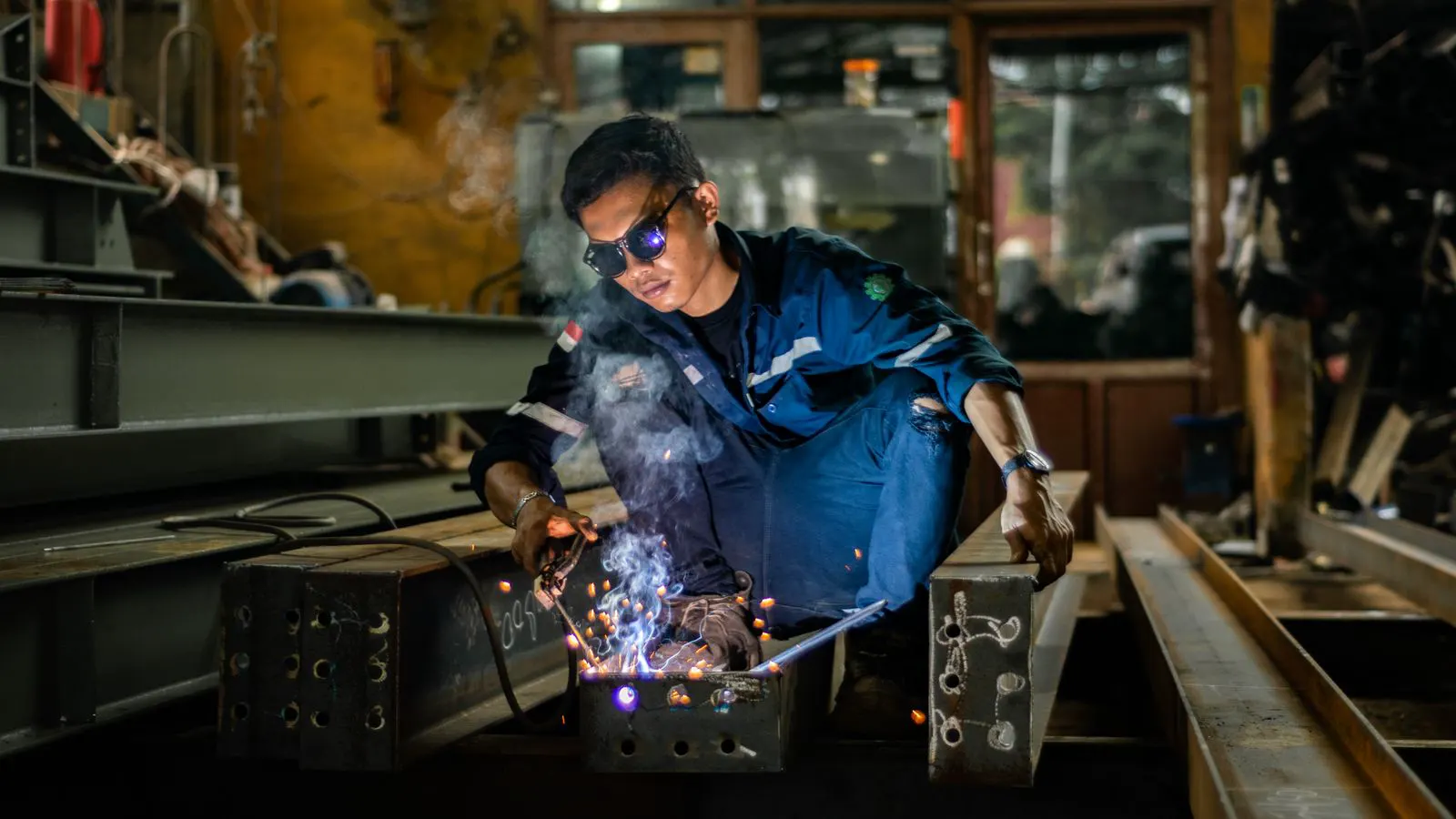
TIG welding is often the standard for thin sheet metal because the operator can control amperage at a low level. The process uses a non-consumable tungsten electrode and a separate filler rod. This setup produces a clean weld with minimal spatter. However, TIG is slower. It requires a skilled welder to maintain the arc and feed the filler rod manually. For thin aluminum or stainless steel, TIG offers the highest visual quality and the lowest risk of distortion.
MIG welding, or Gas Metal Arc Welding, handles medium thickness sheet metal effectively. It uses a continuous wire feed. The process is faster than TIG and easier to learn. It works well with mild steel, aluminum, and stainless steel. The continuous wire feed provides a stable arc, which is beneficial for production lines. The downside is higher spatter and slightly wider heat-affected zones. For sheets between three and six millimeters, MIG is a strong choice for balance between speed and quality.
Thick sheet metal, over six millimeters, demands high penetration and heat control. MIG can handle this range, but it often requires multiple passes. TIG is possible but very slow for thick plate. Spot welding is not suitable for thick sections because the contact area is limited. Laser welding can handle thick sections, but it requires careful setup to avoid lack of fusion or excessive heat. The material thickness dictates the power source and the shielding gas requirements.
Evaluate the Material Composition and Compatibility
The chemical composition of the sheet metal determines the gas mix, electrode type, and pre-treatment requirements. Mild steel is the easiest material to weld. It accepts common shielding gases and standard electrodes. It is tolerant of minor surface contaminants.
Stainless steel requires careful gas selection to prevent oxidation and sensitization. It often uses higher purity shielding gas to protect the weld pool. It may require pre-heating for thicker sections to reduce cracking. The filler metal must match the grade of the base metal. Using the wrong filler metal leads to corrosion issues and structural weakness.
Aluminum sheet metal is more challenging. It forms a protective oxide layer that must be cleaned before welding. It requires AC power for TIG or special wire for MIG. It conducts heat quickly, which can cause uneven welds if not managed. Aluminum welds are softer than steel, which affects strength calculations.
Carbon steel and alloy steels often require different pre-weld preparations. Some alloys need pre-heating to prevent hot cracking. The welder must know the material specification. A buyer should specify the material grade in the purchase order. This ensures the vendor uses the correct consumables and parameters.
Consider Production Volume and Speed Requirements
Welding method selection changes dramatically based on production volume. A one-off prototype requires flexibility. A high-volume production run requires speed and repeatability.
Manual TIG welding is suitable for low-volume jobs. It allows for complex geometries and tight tolerances. It is labor-intensive. The cost per part is high. It is ideal for aerospace, medical, or high-end architectural applications.
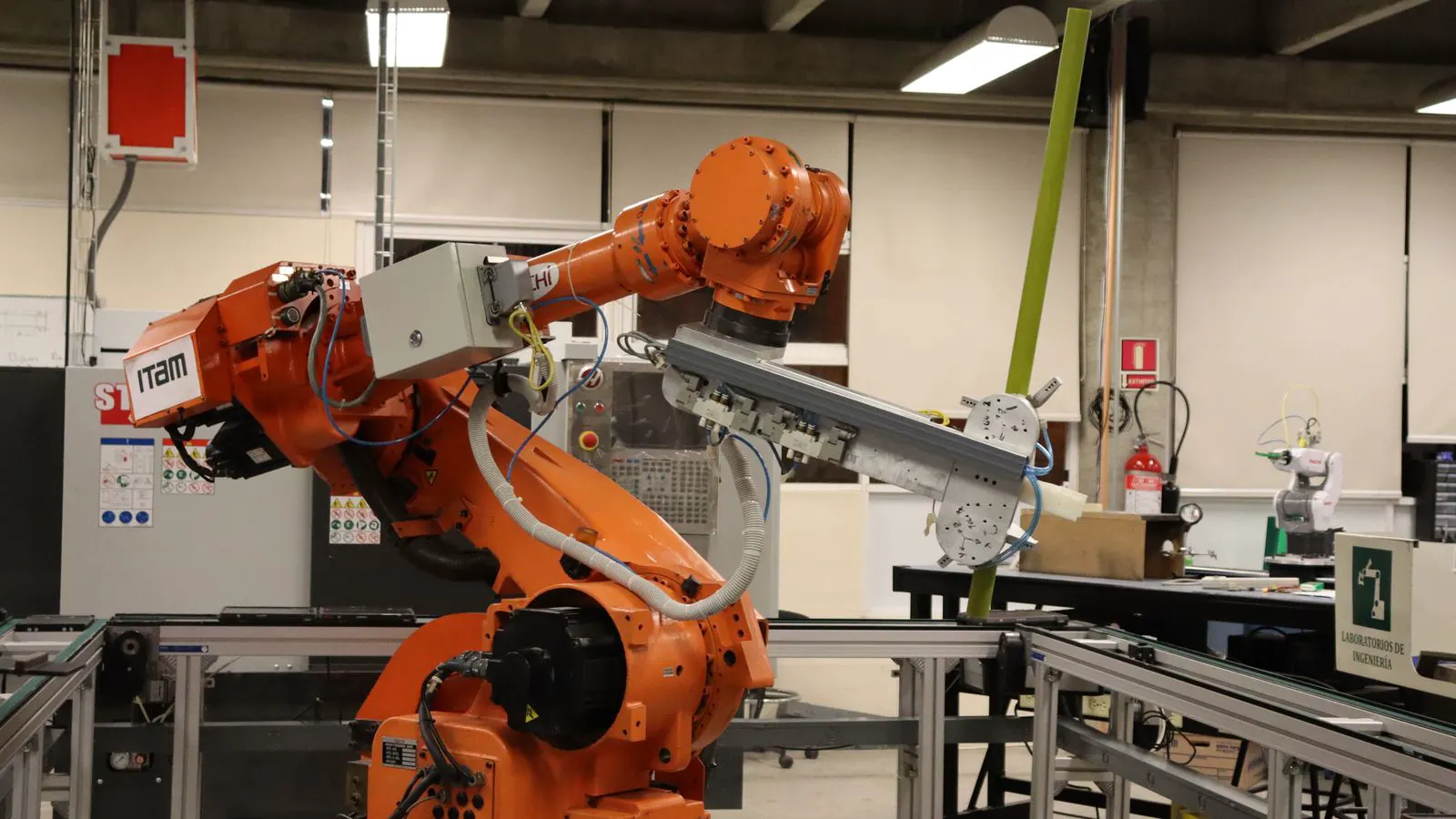
MIG welding is the workhorse of mid-to-high volume production. It can be operated manually or with a robotic cell. It offers a good balance of speed and quality. It is common in automotive, appliance, and furniture manufacturing. The operator can weld at a steady pace. The wire feed system reduces downtime.
Spot welding is the fastest option for joining thin sheet metal. It uses high current through electrodes to melt the joint. It is ideal for high-volume assembly. It is commonly used in automotive body panels and appliance casings. It requires a flat, clean contact surface. It does not work well for thick sections or dissimilar metals.
Laser welding is used in high-speed, high-precision environments. It offers extremely fast cycle times. It produces a deep, narrow weld with minimal heat. It is often automated. It is suitable for electronics, medical devices, and precision automotive parts. The initial capital cost is high. The maintenance requirements are specific.
Assess Quality Tolerances and Post-Weld Finishing Needs
The required surface finish and dimensional tolerance influence the welding process choice. Some buyers need a weld that is structurally sound but will be painted over. Others need a visible, aesthetically pleasing weld.
MIG welds have a slightly rougher texture. They often require grinding or polishing before painting. They are suitable for hidden seams. They are cost-effective for structural frames.
TIG welds produce a smooth, consistent bead. They are ideal for visible applications. They require less post-weld finishing. They are preferred for food-grade equipment, architectural panels, and consumer products. The cost of TIG is higher due to labor time and skill requirements.
Spot welds are not visible. They are used where the joint is hidden or covered. They are not suitable for aesthetic applications. They require careful alignment of the sheets. Any gap or surface contamination will cause a weak weld.
Laser welds are nearly invisible. They offer high precision. They are ideal for applications where surface finish is critical. They require high-quality surface preparation. They are sensitive to misalignment.
Analyze Budget, Equipment, and Skill Requirements
Welding method selection must align with the total cost of ownership. This includes equipment, consumables, labor, and quality control.
MIG welding has moderate equipment costs. The machines are relatively affordable. The wire and gas are inexpensive. The learning curve is shorter than TIG. The labor cost is moderate. It is the most common choice for general fabrication shops.
TIG welding has higher labor costs. The skill level required is higher. The machines are more expensive. The filler rods and gas are costlier. The productivity is lower. The final product quality is higher. It is justified when the value of the part exceeds the labor cost.
Spot welding requires specialized equipment. The presses and electrodes have specific costs. The consumables are the electrodes. The labor is minimal. The setup time for different part sizes can be long. It is best for dedicated production lines.
Laser welding involves significant capital investment. The lasers are expensive. The maintenance is specialized. The power consumption is high. The productivity is extremely high. The ROI is driven by volume. It is not suitable for low-volume jobs.
Review Environmental and Safety Constraints
The welding process affects the shop environment. Some processes generate more fumes, noise, or UV radiation. The buyer must consider the facility layout and safety protocols.
MIG welding produces spatter and fumes. It requires good ventilation. The noise is moderate. The UV radiation is manageable with proper shielding.
TIG welding produces less spatter. It generates fumes based on the gas and material. It requires a fume extraction system. The UV radiation is high. The operator must wear appropriate PPE.
Spot welding is quieter. It has minimal fumes. It requires high-voltage safety protocols. The contact points are localized.
Laser welding involves high-intensity light. It requires strict interlocks and safety glass. The fume extraction is critical. The laser safety zone must be controlled. The facility must comply with laser safety standards.
Check Inspection and Documentation Requirements
Some industries require specific weld inspection methods. The buyer should specify the inspection level in the request for quotation.
Visual inspection is the basic check. It looks for cracks, porosity, and undercut. It is done by the operator or inspector.
Non-destructive testing, such as dye penetrant or magnetic particle inspection, checks for hidden defects. It is required for structural applications. It adds cost and time.
Destructive testing, such as tensile or hardness testing, verifies material properties. It is done on coupon samples. It is required for critical applications.
The welding method must support the inspection method. Some processes are harder to inspect than others. The buyer should clarify the inspection requirements early. This avoids surprises during production.
| Criterion | What to look for | Why it matters |
|---|---|---|
| Material Thickness | Low heat for thin, high penetration for thick | Prevents burn-through or lack of fusion |
| Material Type | Correct gas and filler for alloy | Ensures strength and corrosion resistance |
| Production Volume | Manual for low, automated for high | Matches speed and cost to output |
| Surface Finish | Smooth bead for visible, rough for hidden | Reduces post-weld finishing time |
| Budget | Total cost of equipment and labor | Determines project feasibility |
| Inspection Needs | Support for NDT or visual checks | Ensures compliance and quality |
Decision Checklist for Buyers
- Specify the material grade and thickness in the purchase order.
- Define the required surface finish and dimensional tolerance.
- State the production volume and expected lead time.
- Clarify the inspection and testing requirements.
- Ask the vendor to recommend the welding process based on your specs.
- Request a sample weld before full production.
- Verify the cost breakdown for labor, consumables, and inspection.
Selecting the right welding method is not a one-size-fits-all decision. It requires balancing material properties, production goals, and quality standards. By clearly defining your requirements, you can work with your fabrication partner to choose the process that delivers the best value. The goal is a weld that is strong, durable, and fits the budget.
Frequently asked questions
What is the best welding method for thin sheet metal?
TIG welding is often the best choice for thin sheet metal due to its low heat input and precise control. It minimizes distortion and burn-through.
Can MIG welding be used for stainless steel?
Yes, MIG welding can be used for stainless steel. It requires the correct shielding gas and filler wire. It is faster than TIG but may require more post-weld finishing.
Is spot welding suitable for thick materials?
No, spot welding is generally not suitable for thick materials. It is designed for thin sheet metal where the entire joint thickness can be melted with high current.
How does laser welding compare to MIG in cost?
Laser welding has a higher initial capital cost and requires specialized maintenance. However, it can be more cost-effective for high-volume production due to its speed.
Do I need a welder for every process?
Manual processes like TIG require a skilled welder. Automated processes like robotic MIG or laser welding can reduce the need for manual labor. The level of skill required depends on the process.