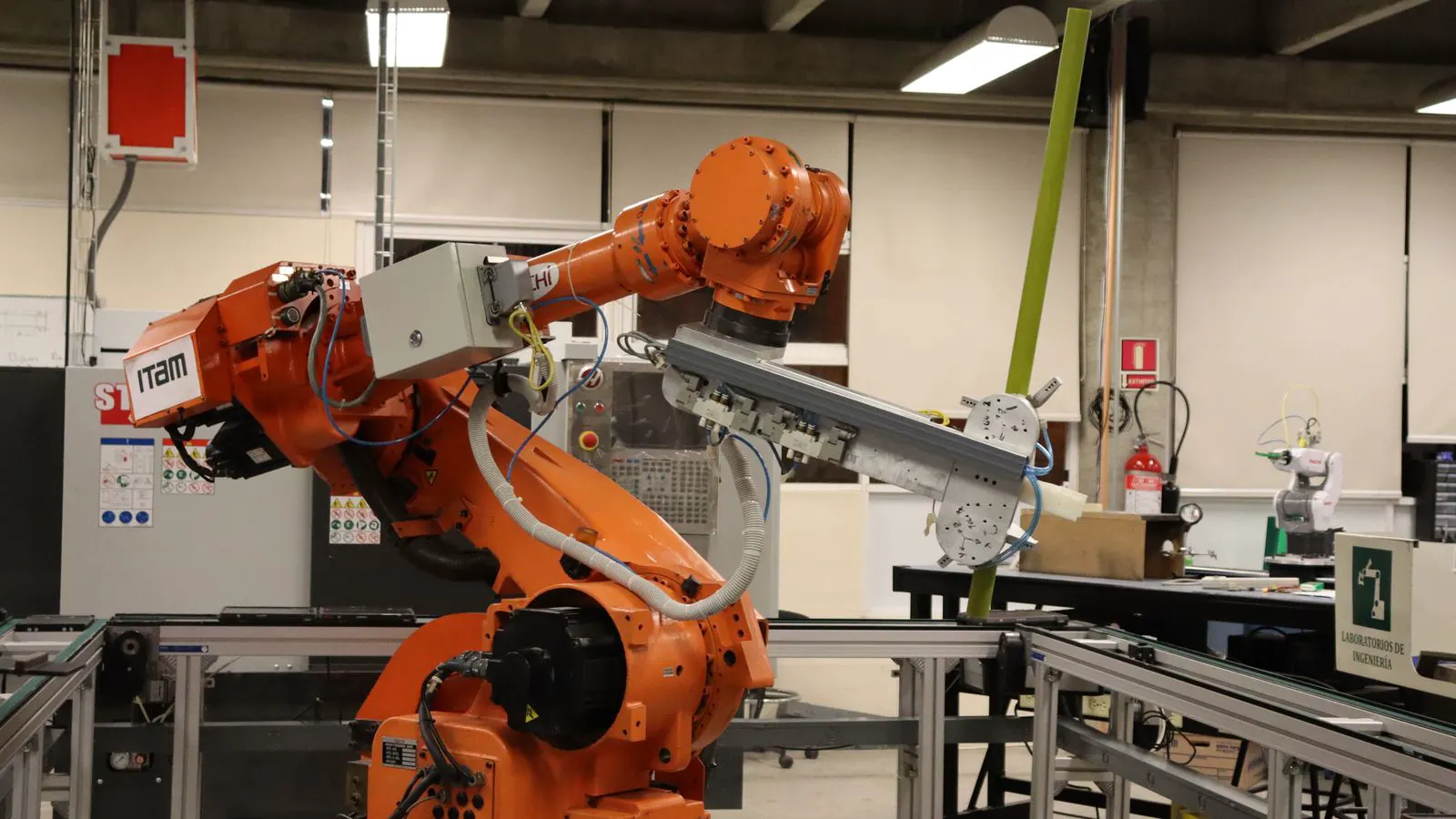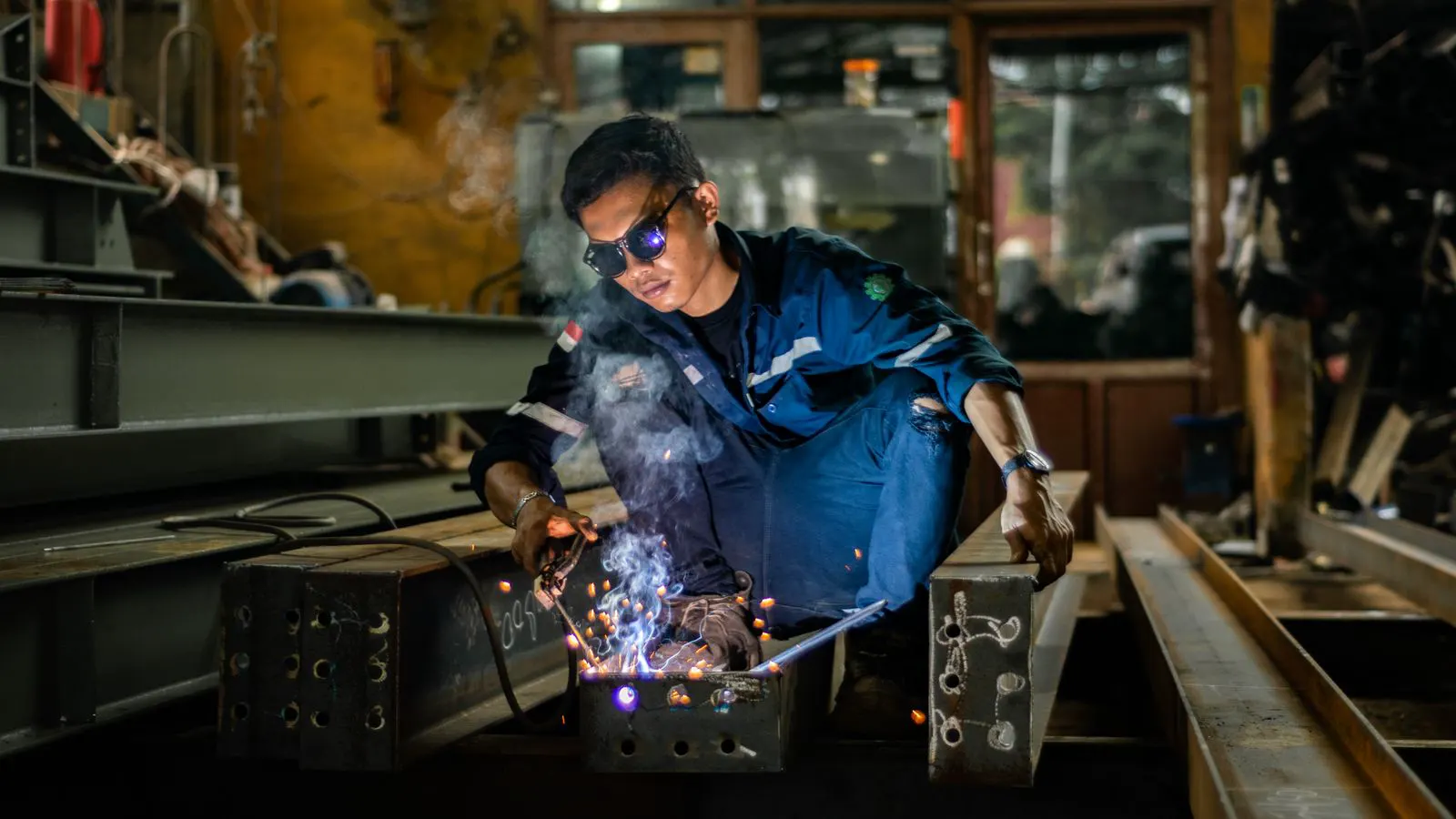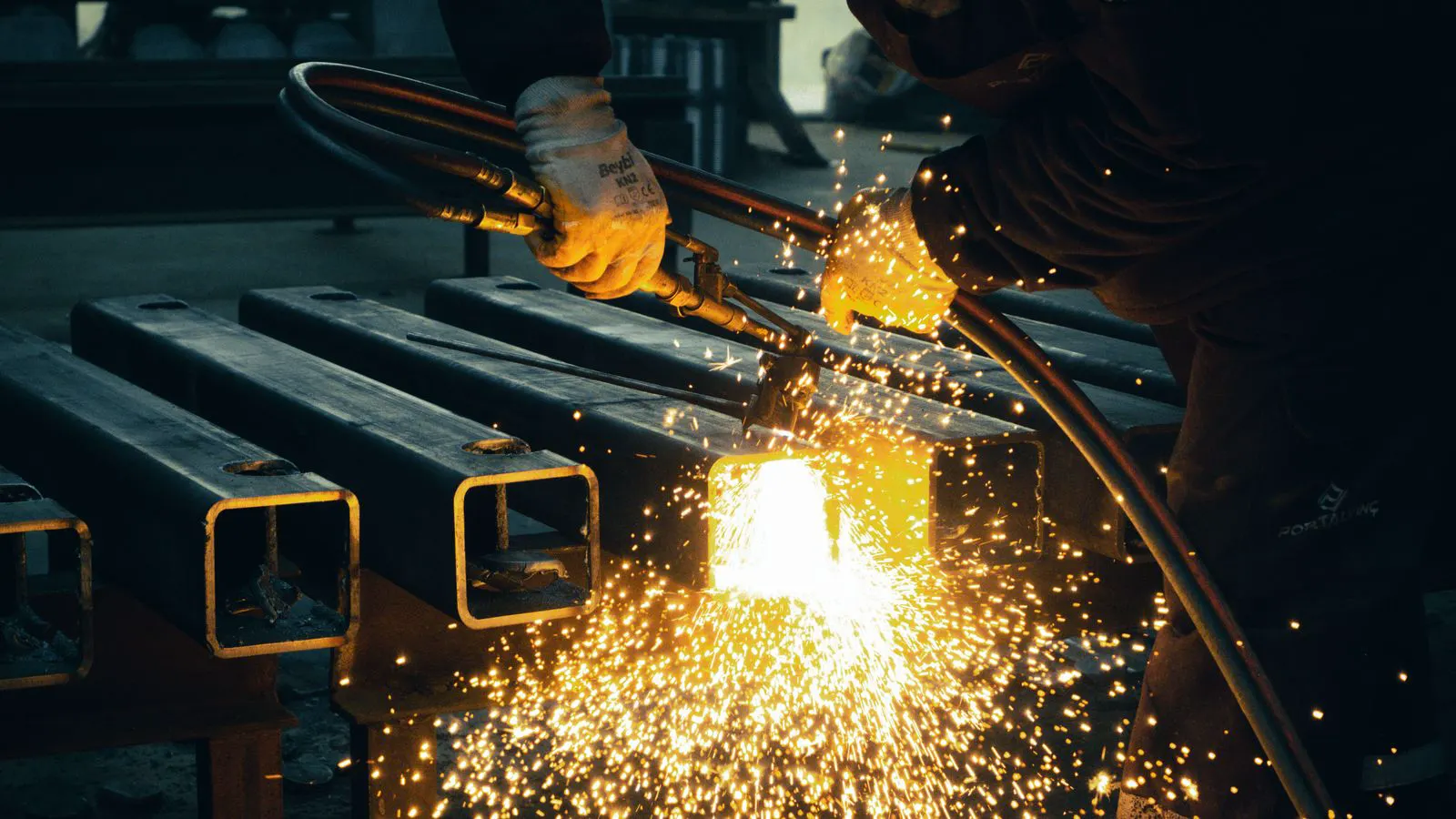
Automated welding is moving from isolated robot cells to integrated production lines. Future manufacturing requires planning for robot integration, data capture, and flexible work cells. This guide outlines five shifts buyers should prepare for in sheet metal production.
- Automated welding is shifting from single-machine operation to integrated line-level control, requiring new data systems and maintenance routines.
- Buyers should plan for flexible work cells that can handle multiple sheet thicknesses and part geometries without major retooling.
- Weld quality verification is moving from purely visual inspection to continuous data capture and digital records.
- Training needs are shifting from manual welding skills to robot programming, programming maintenance, and process parameter monitoring.
- Initial capital costs for automation are high, but the real cost driver is the change in workflow and quality control processes.
How automated welding is changing the shop floor
Sheet metal production has moved beyond simple manual labor. Automated welding now appears in high-volume operations and in smaller jobs that demand repeatable quality. The shift is not just about replacing welders. It is about changing how parts are designed, how fixtures are built, and how quality is recorded.
Buyers often focus on speed. Speed matters, but the bigger change is consistency. A robot does not get tired. It does not skip a joint because of heat. It repeats the same travel speed and the same heat input every cycle. This changes the design requirements for thin sheet metal. Parts that previously needed manual skill to avoid warpage can be welded with tighter tolerances if the fixture is designed correctly.
The transition is gradual. Most shops do not replace all manual stations at once. They start with repetitive operations. Spot welding cells and straight-seam MIG welding are the most common entry points. From there, the system expands to multi-axis work cells that can handle complex corners and mixed materials.
What shifts should buyers plan for
The future of welding in sheet metal production is not one big event. It is a series of shifts. Buyers who plan for these shifts avoid costly rework and missed deadlines.
-
From single-machine operation to line integration.
Older automation treated the robot as a standalone tool. The operator loaded the part, started the cycle, and unloaded the finished piece. Future manufacturing treats the robot as one node in a larger system. The robot receives part data from the previous stage. It sends completion data to the next stage. If the joint fails, the system flags the part and holds it. This requires a data backbone that connects machines. -
From manual setup to digital work cells.
Fixture design is changing. Instead of building a new jig for every part, shops are building modular fixtures. Pins, clamps, and locators can be swapped out. The robot program is updated through a software interface. The part is placed, and the system confirms the position before welding starts. This reduces setup time and limits the chance of welding a misplaced part. -
From visual inspection to continuous monitoring.
Weld quality used to be checked by a person looking at the bead. Automated systems now capture data during the process. The current, voltage, travel speed, and arc length are recorded. If a parameter drifts outside the set range, the system generates an alert. This creates a digital record for every joint. Buyers can trace a specific weld back to the exact parameters used. -
From welder expertise to process engineering.
The person who programs the robot is no longer a traditional welder. They need to understand how the robot moves, how the torch interacts with the material, and how the controller handles errors. This changes hiring and training. A shop needs someone who understands both the mechanical and the electrical side of the process. -
From fixed production to flexible capacity.
Future manufacturing demands the ability to run different products on the same line. A cell that welded one bracket type for six months must be ready to run a different bracket type the next day. This requires quick-change fixtures and parameter libraries. The robot program is stored in a database. The operator selects the part number, and the system loads the correct program.
Which welding methods are moving into automation
Not all welding processes are suitable for automation. The choice depends on the part, the material, and the volume.
| Welding Method | Best For | Automation Maturity | Key Consideration |
|---|---|---|---|
| Spot Welding | Thin sheet, high volume, automotive | High | Fixture design and part alignment |
| MIG Welding | Straight seams, moderate thickness | High | Torch height control and travel speed |
| TIG Welding | Thin sheet, aluminum, precision work | Moderate | Arc stability and operator skill for setup |
| Laser Welding | Thin sheet, high speed, complex shapes | Moderate | Heat input control and material reflectivity |
| Friction Stir Welding | Aluminum, structural parts | Low | High capital cost and specialized tooling |
Spot welding is the most mature form of automated welding. It is used in automotive and appliance manufacturing. The process is fast and consistent. The main challenge is fixture design. Every part must be held in the exact position. If the part shifts, the weld is weak.
MIG welding is the most common form of continuous automated welding. It handles a wider range of sheet thicknesses than spot welding. It is also more forgiving of small fixture errors. However, it requires careful control of the torch height. If the torch moves too far away, the bead gets wide and shallow. If it is too close, it digs into the joint.
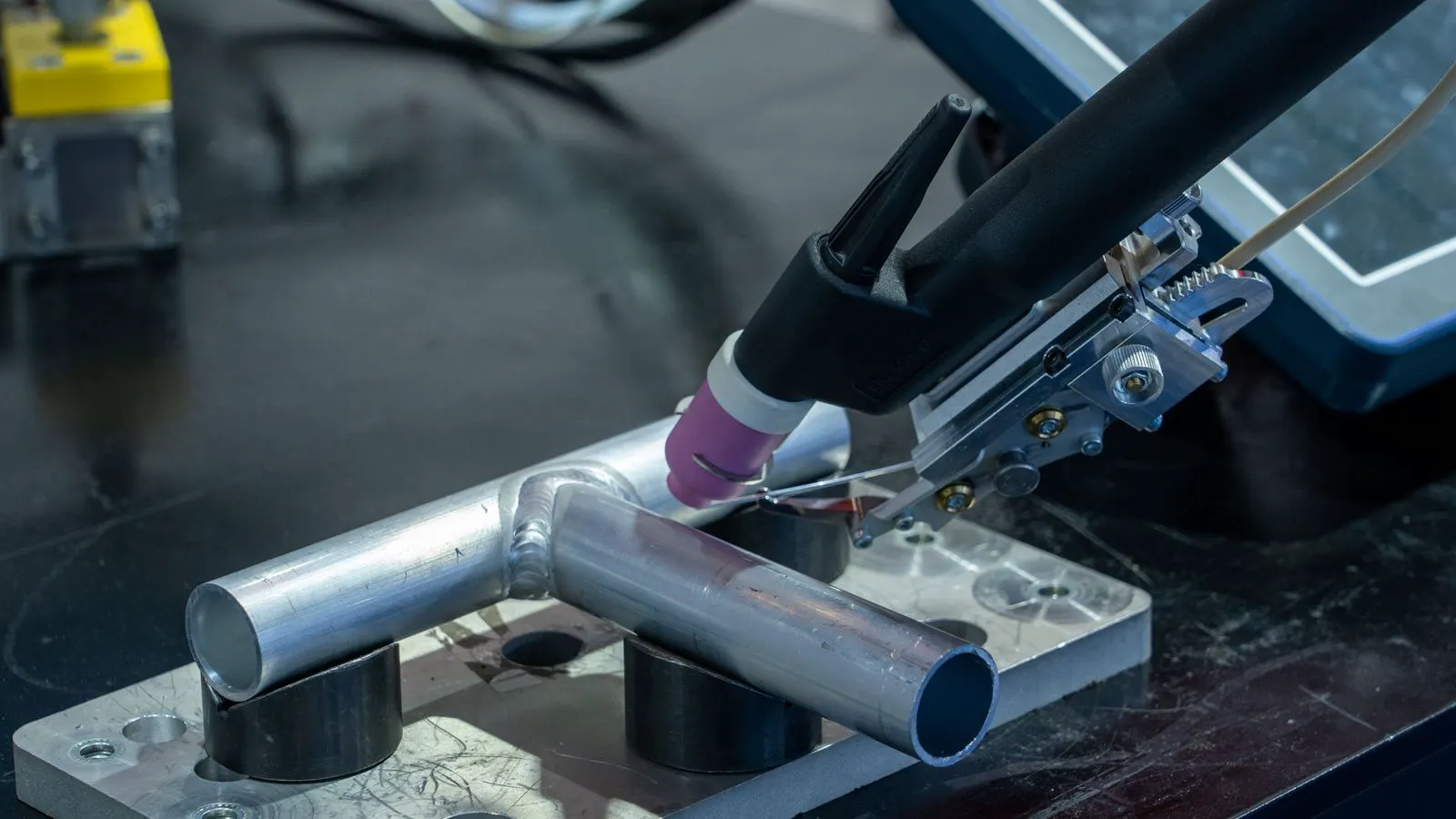
TIG welding is harder to automate. The arc is sensitive. It requires precise control of travel speed and heat input. It is used for thin sheet and aluminum where a clean weld is required. Many shops still use manual TIG for complex shapes, but automated TIG is growing in precision work.
Laser welding is gaining attention. It uses a focused beam of light to heat the material. It produces a narrow weld with minimal heat input. This is useful for thin sheet and for parts that are sensitive to warpage. The main drawback is that the laser must be aligned precisely. It is also more sensitive to surface conditions than arc welding.
How to prepare your workflow for automated welding
Preparing for automated welding starts before the robot is ordered. It starts with the part design and the fixture plan.
Design for automation.
Parts designed for manual welding often have features that make automation difficult. Sharp internal corners, thin flanges, and tight tolerances can cause issues. When a robot welds a corner, the torch may not reach the exact joint. When it welds a thin flange, it may burn through. Designers and buyers should review part geometry early. They should ask if a joint can be reworked to be more accessible to a torch. They should consider if a spot weld can replace a continuous weld in a non-structural area.
Plan the data flow.
Every automated weld should have a record. This record includes the part number, the robot program, the parameters, and the inspection result. If a defect is found in the field, the buyer needs to know exactly which cycle produced the part. This requires a simple data system. It does not need to be complex. It just needs to be consistent. The data should be stored in a way that can be exported for quality reports.
Build modular fixtures.
A fixture that is built for one part is a liability. It locks the production line into a single product. A modular fixture allows the shop to change the part without rebuilding the entire setup. It uses standard pins, clamps, and locators. The robot program is updated to match the new fixture layout. This allows the shop to run multiple products on the same cell.
Train the new team.
The team that runs an automated cell is different from the team that runs a manual station. The operator is less likely to be the one welding. They are the one loading, monitoring, and maintaining. The programmer is the one who writes the robot code. The process engineer is the one who tunes the parameters. Training should cover basic troubleshooting, safety, and data interpretation.
What this means for buyers and engineers
Buyers should not wait for the technology to fully mature. The shift is already happening. The question is whether the buyer will plan for it or react to it.
Engineering teams should review part designs with automation in mind. They should ask if the part can be welded by a robot. They should identify which joints are critical and which are not. This helps in deciding where to spend the capital. A high-value joint may justify a laser system. A low-value joint may be better suited to spot welding.
Procurement teams should ask suppliers about data integration. A robot that cannot communicate with the shop floor system is a bottleneck. The supplier should be able to provide the parameters for each joint. They should be able to update the program without manual coding. This saves time and reduces errors.
Quality teams should move from end-of-line inspection to in-process monitoring. If the robot detects a defect during the cycle, the part can be rejected before it moves to the next station. This is cheaper than finding a defect in the final assembly. It also prevents the good parts from being mixed with the bad ones.
The cost of automation is still high. But the cost of not automating is also rising. Labor costs are up. The demand for consistent quality is up. The ability to run multiple products on the same line is a competitive advantage. Buyers who plan for these shifts will be in a stronger position. They will have the data, the fixtures, and the team to make the transition smoothly.
Common mistakes to avoid
Shops that rush into automation often make the same mistakes.
-
Buying the robot first.
The robot is only one part of the system. If the fixture is not ready, the robot will sit idle. If the part design is not ready, the robot will weld the wrong joint. The fixture and the data system should be planned before the robot is ordered. -
Ignoring the maintenance plan.
Robots require regular maintenance. The torch tips need replacement. The lenses need cleaning. The cables need checking. If maintenance is not planned, the downtime will be unpredictable. A maintenance schedule should be built into the production plan. -
Assuming the robot will fix bad fixtures.
A robot will weld exactly where it is told to. If the fixture is loose, the robot will weld a loose part. If the part is misaligned, the robot will weld a misaligned part. The fixture must be precise. The robot cannot compensate for a bad setup. -
Skipping the data requirement.
Many shops install the robot and do not record the data. They treat it like a manual welder. This defeats the purpose. The data is the value. Without it, the shop cannot trace defects. It cannot prove consistency. It cannot improve the process.
Final thoughts
The future of automated welding in sheet metal production is already here. It is not a distant promise. It is a series of changes that are happening now. The changes are in the fixtures, the data, the training, and the part design.
Buyers should look at their next project and ask how it would be done with automation. They should talk to their engineers about part geometry. They should talk to their quality team about data recording. They should plan for a flexible work cell, not a fixed machine.
The technology is ready. The process is ready. The only thing missing is the plan. Make the plan, and the transition will be smooth. Skip the plan, and the transition will be costly.
Frequently asked questions
What is the main difference between manual welding and automated welding?
Automated welding uses a robot to repeat the same motion and heat input every cycle. Manual welding relies on the welder's skill to adjust for small changes in the part and the joint.
Can automated welding handle complex sheet metal shapes?
Yes, but it requires careful fixture design and part design. Complex corners and thin flanges can be difficult for the torch to reach. The part may need to be redesigned for easier access.
How long does it take to implement automated welding?
Implementation time depends on the complexity of the part and the fixture. A simple spot welding cell can be set up in weeks. A complex multi-axis cell can take months. The data system and training also take time.
What is the biggest cost of automated welding?
The capital cost of the robot is high. But the real cost is the change in workflow. Fixtures, data systems, and new training all add to the cost. The total cost is often higher than the price of the robot.
Do I need to replace all my welders with robots?
No. Most shops use a mix of manual and automated welding. Robots are best for repetitive, high-volume work. Manual welding is still needed for complex, low-volume, or one-off parts.