MIG vs TIG comparison for thin sheet metal depends on gauge, joint design, and production volume. MIG offers speed, TIG gives precision, and spot welding suits high-volume assembly. Pick the method that matches your tolerance and material thickness.
- MIG welding works well for thin sheet when using low amperage and proper shielding gas to prevent burn-through.
- TIG welding provides the cleanest joints on thin gauges but requires higher skill and more time.
- Spot welding is the fastest option for high-volume production but creates permanent holes in the material.
- Joint design, material thickness, and access to the weld area drive the final method choice.
- Warpage control is a shared risk across all three methods for thin sheet metal.
How gauge thickness changes the choice
Thin sheet metal, typically under 2 mm, behaves differently from heavy plate. Heat input is the main enemy. Too much energy melts through the base metal or distorts the part.
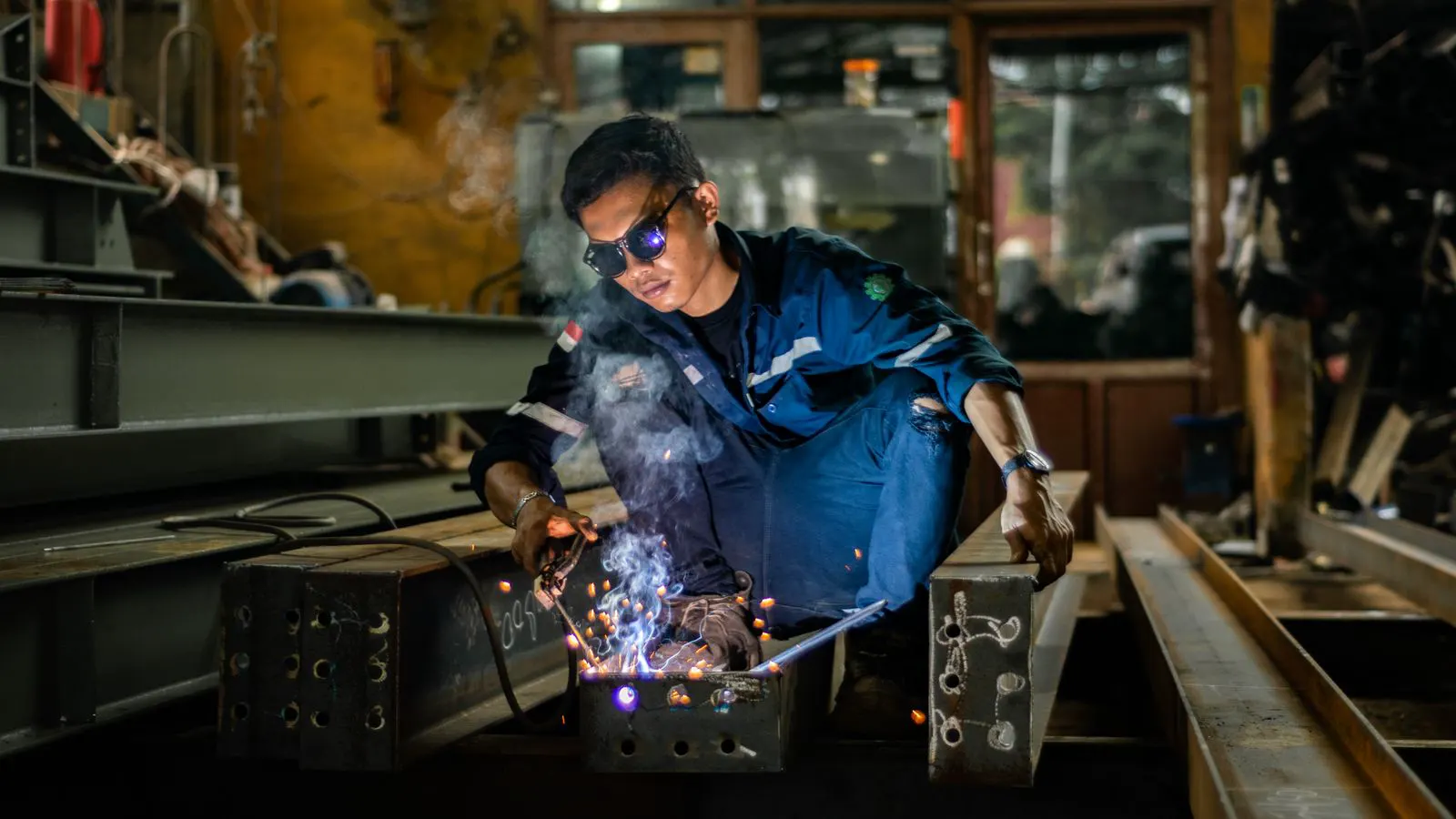
MIG welding uses a continuous wire feed and a shielded gas arc. It can handle thin gauges, but the wire diameter and voltage settings matter. A 0.8 mm wire at low amperage can produce a stable arc on 1 mm steel. Push the amperage up, and the pool becomes unstable.
TIG welding uses a non-consumable tungsten electrode and a separate filler rod. The operator controls heat input with precise amperage and travel speed. This makes TIG the natural choice for delicate joints where a small error is unacceptable.
Spot welding joins two sheets by squeezing them together with electrodes that pass a high current for a brief moment. It melts a small area and cools under pressure. The result is a solid joint with no filler material, but it leaves a dimple or hole in the workpiece.
When to pick each method
| Option | Best for | Limitations |
|---|---|---|
| MIG welding | General purpose thin sheet, moderate production, thicker edges | Burn-through risk at low gauges, wire spatter, slower than spot welding |
| TIG welding | Precision joints, dissimilar metals, cosmetic work, very thin gauges | Slow, high skill required, higher cost per joint, limited by operator availability |
| Spot welding | High volume assembly, automotive panels, stamped parts | Permanent holes, limited to flat or near-flat joints, no penetration for thick stock |
MIG is the default for many shops. The continuous wire feed removes the need to lift the torch and restart. It suits repair work and small batch production. For thin sheet, the operator must keep the torch close to the surface and use a narrow weave pattern. If the joint is a T-fitting or a lap joint, MIG allows the welder to build up material in small passes.
TIG wins when the joint must look clean. A well-executed TIG weld on thin aluminum or stainless steel shows a smooth, even bead. The process also works well on very thin material because the heat can be restricted to a tiny zone. However, the operator must hold the filler rod by hand. This slows the rate of work. For a long seam, TIG takes significantly longer than MIG.
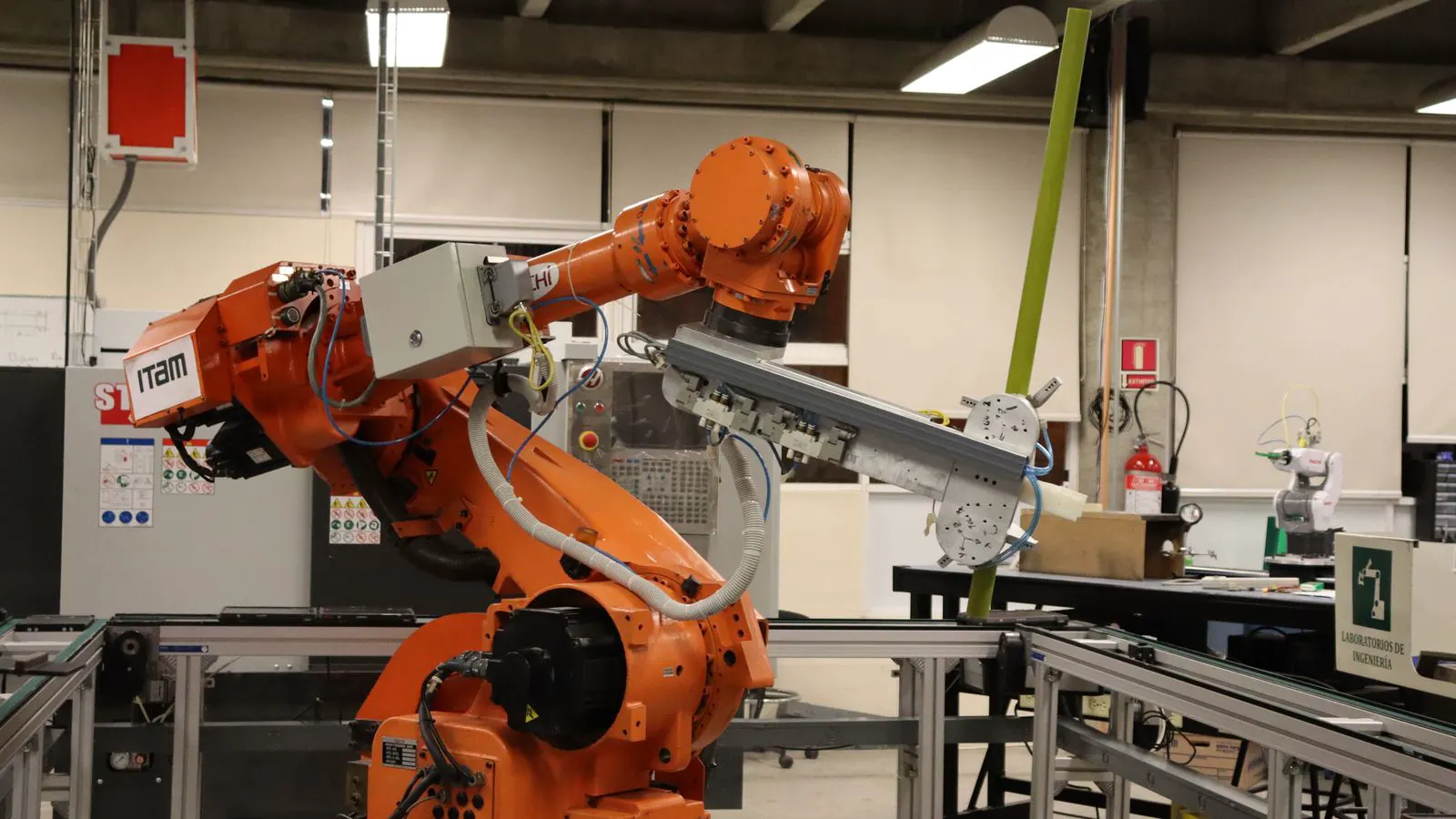
Spot welding is the fastest method per joint. A single punch creates a bond in under a second. It suits production lines where hundreds of joints must be made daily. The limitation is design. The sheets must be flat or close to flat so the electrodes can clamp them together. It does not suit thick sections because the current cannot penetrate deep enough.
Heat input and burn-through
Burn-through is the most common failure mode when welding thin sheet. The weld pool sinks through the base metal and falls out the back side.
MIG is more prone to this issue because the arc energy is higher than TIG. The wire also acts as a heat conductor, which can help or hurt depending on the setup. If the wire diameter is too large, it dumps too much heat into the joint. A smaller wire, such as 0.8 mm or 1 mm, reduces this risk. The gas flow matters too. Too little gas leaves the weld pool exposed to oxygen, causing porosity and weak joints. Too much gas creates turbulence and pulls air into the weld.
TIG minimizes burn-through because the operator can dial down the amperage to the lowest setting that still melts the material. The tungsten does not melt, so there is no filler wire to conduct extra heat. The filler rod is added only when needed. This gives the welder fine control over the molten pool.
Spot welding avoids the arc entirely. The electrodes compress the joint and pass current through the contact area. The melt zone is small and localized. Burn-through is possible if the current is set too high or the material is too thin, but it is less common than in arc welding when settings are correct.
Warpage and distortion control
Thin sheet warps when it cools. The metal shrinks as it solidifies, creating internal stress. If the part is free to move, it bends or twists.
MIG creates a larger heat-affected zone than TIG. The arc energy spreads outward, heating a wider area of the sheet. This increases the chance of distortion. Operators often use fixtures or backing bars to hold the part rigid. Backing bars are metal strips placed on the inside of the joint. They absorb heat and prevent the weld pool from sinking.
TIG produces a smaller heat-affected zone. The arc is narrower and more focused. Warpage is still possible, but it is usually less severe. The operator can also use a technique called pulse TIG, where the amperage cycles between a high and low value. This reduces the average heat input and helps control distortion.
Spot welding heats a very small area. The risk of overall part distortion is low. However, if many spot welds are placed close together, the cumulative heat can still move the part. Production lines often space the welds out or use a jig to hold the part flat during the process.
Cost and labor considerations
MIG welding has a moderate cost per joint. The wire feed is cheap, and the equipment is widely available. The main cost is labor. A trained operator can work faster than a TIG welder, but slower than a spot welder.
TIG welding is the most expensive option per joint. The operator must be skilled, and the process is slow. The cost is justified when the joint requires high quality or when the material is difficult to weld with other methods. For thin sheet, TIG is often the only way to achieve a clean, strong seam without filler material.
Spot welding is the cheapest option per joint in high volume. The electrodes wear out, but they are inexpensive. The equipment is automated, so one operator can oversee multiple weld stations. The cost drops sharply as production volume increases. For low-volume work, spot welding is less practical because the setup time is high.
Inspection and quality checks
Weld quality depends on the process and the operator. MIG welds can show porosity if the gas flow is incorrect or if the wire feed is inconsistent. The welder must watch for gaps in the bead or uneven penetration.
TIG welds are easier to inspect visually. The bead should be smooth and even. Any lack of penetration or excessive heat can be seen as a change in color or a rough surface. The welder must check for undercut, where the edge of the weld is narrower than the base metal.
Spot welds are checked by visual inspection and sometimes by destructive testing. The weld should have a uniform dimple. If the dimple is too large or the edge is torn, the joint is weak. In high-volume production, a sample of welds may be pulled for inspection to confirm consistency.
Common mistakes to avoid
- Using too high an amperage for the sheet thickness. This causes burn-through and warpage.
- Poor gas coverage during MIG welding. This leads to porosity and weak joints.
- Inconsistent travel speed during TIG welding. This creates a uneven bead and lack of penetration.
- Misaligned electrodes during spot welding. This creates weak joints and uneven dimples.
- Welding without a fixture or backing bar. This allows the part to move and distort.
Final selection criteria
The best method for thin sheet metal depends on the specific project. For a small batch of precision parts, TIG is usually the best choice. For general repair work or moderate production, MIG offers a good balance of speed and quality. For high-volume assembly of stamped panels, spot welding is the most efficient.
Consider the material, the joint design, and the production volume. A 1 mm stainless steel part with a cosmetic seam needs TIG. A 1.5 mm steel part with a structural joint can use MIG. A 1 mm steel part in a car door needs spot welding.
The choice affects cost, quality, and lead time. A TIG welder costs more per hour but produces a higher quality joint. A MIG welder costs less per hour and produces a good joint at a faster rate. A spot weld station costs more in equipment but produces many joints per hour at low labor cost.
Review the joint requirements with your supplier. Confirm the gauge, material, and tolerance. Ask for weld samples if the quality is critical. A short test weld on a scrap piece can reveal burn-through, porosity, or warpage before the full run begins.
Frequently asked questions
Which welding method is best for thin aluminum sheet?
TIG welding is usually the best choice for thin aluminum because it allows precise heat control and produces a clean joint. MIG welding can work on thicker aluminum sheet, but TIG is preferred for gauges under 2 mm.
Can spot welding be used on stainless steel sheet?
Yes, spot welding can be used on stainless steel sheet, but it requires high current settings because stainless steel has higher resistance than mild steel. The joint must be flat and the sheets must be clamped together.
How do I prevent burn-through when using MIG on thin sheet?
Use a smaller wire diameter, lower amperage, and a backing bar on the inside of the joint. Keep the torch close to the surface and use a narrow weave pattern to reduce heat input.
What is the difference between MIG and TIG for thin sheet?
MIG is faster and cheaper per joint, but it has a higher risk of burn-through on very thin material. TIG is slower and more expensive, but it provides better control and a cleaner joint.
Is spot welding stronger than MIG or TIG on thin sheet?
Spot welding can be as strong as MIG or TIG if the settings are correct. The strength depends on the material, the joint design, and the current used. A well-made spot weld is a solid joint with no filler material.