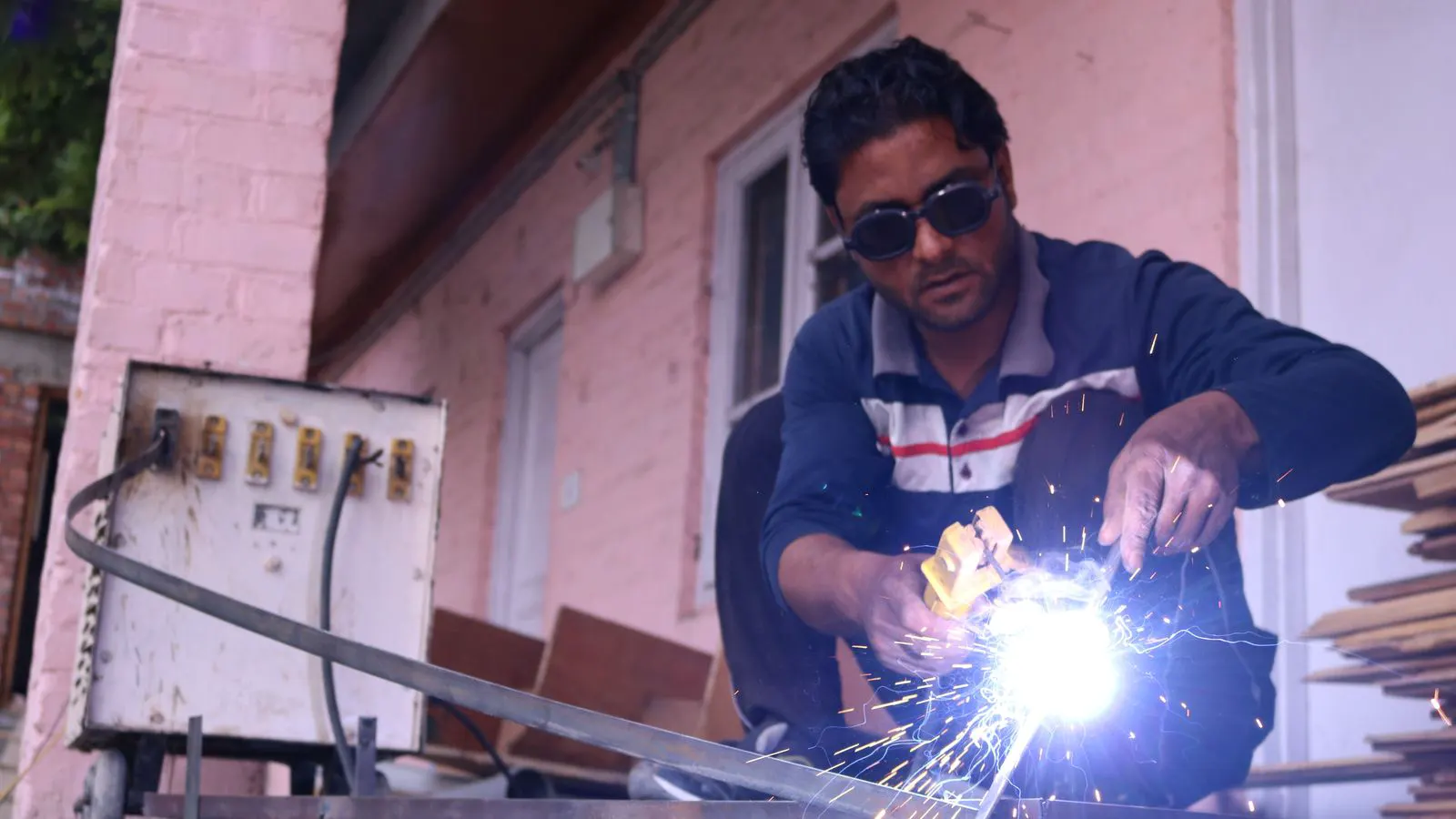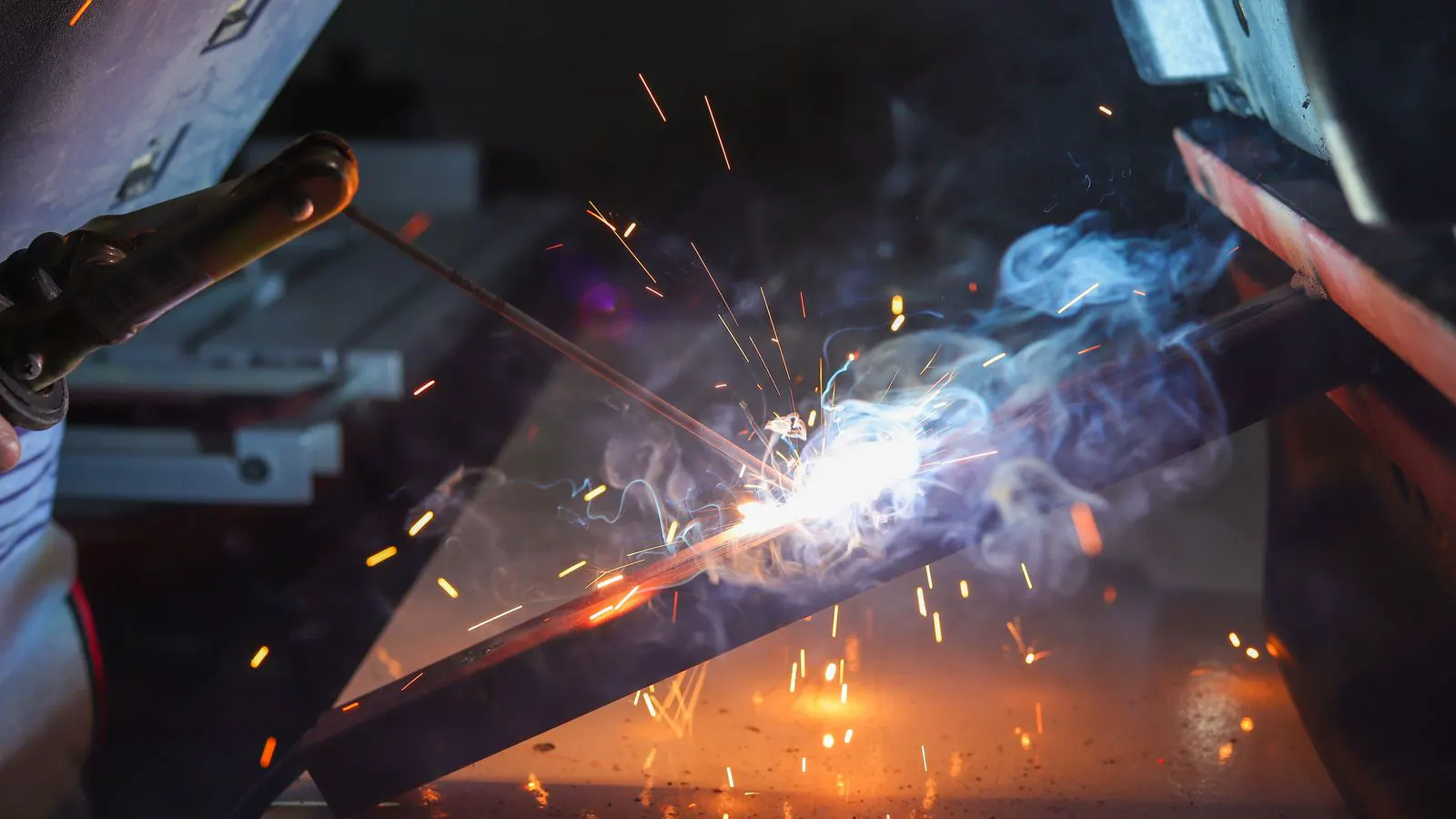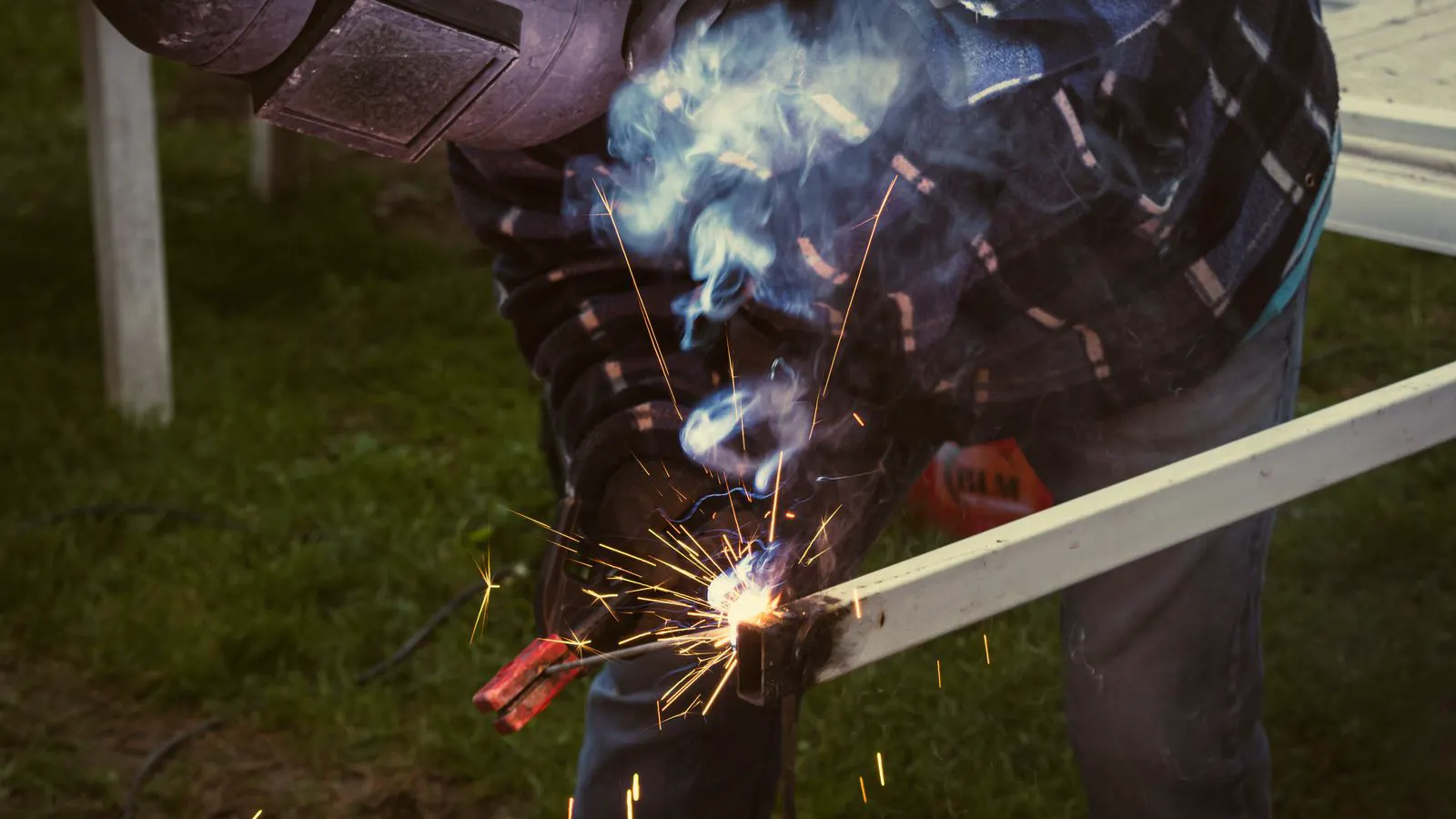
Robotic TIG welding increases production consistency and capacity by removing human variability from repetitive joints. It requires stable fixture design, strict procedure control, and skilled maintenance to deliver reliable high-volume output for sheet metal projects.
- Robotic TIG welding stabilizes output by executing identical parameters on every joint, reducing rework rates compared to manual work.
- Capacity gains depend on fixture design and part flow, not just the speed of the welding head itself.
- Procurement should require verified welding procedure specifications and a clear maintenance plan to protect long-term quality.
- Automation works best when the design team, production floor, and quality control team share the same technical requirements.
Robotic TIG welding is moving from a premium option to a standard requirement for high-volume sheet metal production. Procurement managers now face a different decision than five years ago. The question is no longer whether to use a robot, but how to integrate it into a supply chain that already relies on manual welders and hybrid processes. The shift affects capacity planning, quality control, and supplier selection.
How Consistency Changes in High-Volume Production
Manual TIG welding is skilled, but it is variable. A welder may adjust heat, travel speed, or torch angle based on fatigue, lighting, or part position. In a low-volume shop, this variability is manageable. In a high-volume production run, it becomes a risk.
Robotic TIG welding removes that human element. The robot executes the same travel speed, heat input, and torch position on every joint. The result is a tighter distribution of weld quality. Parts pass inspection more often, and rework drops. For procurement managers, this means fewer surprises in incoming quality reports.
This consistency extends to documentation. When a robot welds, the parameters are logged in the controller or the production management software. A quality engineer can pull the data for any serial number and verify that the correct procedure was used. This level of traceability is difficult to achieve with manual welds, where records rely on welder signatures and visual checks.
What Capacity Gains Look Like
Capacity gains from robotic TIG welding are real, but they are not automatic. A robot does not simply weld faster. It welds without breaks, without fatigue, and with precise repeatability. The primary capacity gain comes from reduced rework.
Consider a production line for a sheet metal chassis. With manual TIG welding, a small percentage of joints may require grinding and rewelding. In a high-volume run, that small percentage adds up to significant downtime. When a robot takes over, the number of failed joints drops. The line runs longer. The same number of welders can handle more parts or support additional shifts.
The secondary capacity gain is in part flow. Robots integrate well with automated fixture systems. Parts can be loaded, welded, and unloaded in a continuous cycle. This reduces the time between operations. For complex sheet metal assemblies, this continuous flow can increase throughput by a meaningful margin compared to a manual station.
The Five Shifts Buyers Should Plan For
Planning for robotic TIG welding requires a change in mindset. It is not just a tooling upgrade. It is a shift in how the value chain operates.
-
From Skill-Dependent to Process-Dependent. The value shifts from the individual welder’s skill to the quality of the process. The fixture, the procedure, and the maintenance schedule become the primary drivers of quality. Procurement must evaluate suppliers based on their process control systems, not just their welder headcount.
-
From Reactive to Predictive Quality. Quality control moves from checking finished parts to monitoring the process in real-time. Sensors can detect arc instability or improper torch position. Procurement should require suppliers to have these monitoring systems in place. This reduces the cost of inspection and catches issues early.
-
From Manual Fixture Setup to Automated Fixturing. High-volume robotic welding requires parts to be positioned with high precision. Manual clamping is too slow and too variable. Buyers should plan for investments in automated fixture systems that can load and unload parts quickly and accurately.
-
From Short-Term Cost to Long-Term Cost of Ownership. The initial cost of a robotic TIG system is higher than a manual welding station. However, the long-term cost is often lower due to reduced rework, lower labor costs, and higher throughput. Procurement must look at the total cost of ownership over a five-year period, not just the capital expenditure.
-
From Standalone to Integrated Systems. A robot does not work in isolation. It integrates with the material handling system, the quality control system, and the production management software. Buyers should ensure that the supplier can provide a complete integrated solution, not just a welding head.
How to Prepare Your Supplier Selection
When selecting a supplier for robotic TIG welding, focus on their ability to manage the entire process. A supplier who can only weld is not the right fit for high-volume automation.
Look for the following capabilities:
- Welding Procedure Development: Can they develop and validate welding procedure specifications for your specific materials and joint types?
- Fixture Design: Do they have in-house design capability for automated fixturing, or do they outsource it?
- Data Logging: Do they provide access to welding data for audit purposes?
- Maintenance Plan: Do they offer a clear maintenance and calibration schedule to ensure long-term quality?
The most common mistake buyers make is selecting a supplier based on price alone. A cheaper supplier may have a newer robot but a poor fixture design or a weak quality system. This leads to rework and downtime, which cancels out the initial savings.
Practical Steps for Implementation
Implementation of robotic TIG welding is a phased process.
- Pilot Phase: Start with a single product line or a small batch. This allows you to validate the process and identify issues before scaling up.
- Fixture Optimization: Refine the fixture design based on pilot results. The goal is to minimize part-to-part variation and ensure reliable part contact.
- Procedure Validation: Verify that the welding procedure specifications are correct for the material thickness and joint configuration.
- Operator Training: Train operators on the robot control system, the loading process, and the monitoring software.
- Scale-Up: Once the pilot is successful, expand the robotic welding capability to other product lines or additional shifts.
Each phase requires clear success criteria. Define what “success” means for each stage before moving on. This prevents scope creep and ensures that the project stays on track.
Common Risks and How to Mitigate Them
Robotic TIG welding introduces specific risks that buyers must manage.
| Risk | Description | Mitigation Strategy |
|---|---|---|
| Fixture Failure | Worn or damaged fixtures cause part misalignment, leading to poor weld quality. | Implement a preventive maintenance schedule for fixtures. Use wear-resistant materials for critical contact points. |
| Procedure Drift | Subtle changes in parameters over time can degrade weld quality without obvious symptoms. | Use automated monitoring to track parameters in real-time. Set alarm limits for critical variables. |
| Part Variation | Variations in part geometry or fit-up can cause arc instability or improper penetration. | Tighten incoming inspection standards. Use sensors to detect fit-up errors before welding. |
| Operator Error | Incorrect loading or parameter entry can cause defects or damage. | Use interlocks and software locks to prevent unauthorized changes. Provide comprehensive operator training. |
These risks are manageable, but they require a disciplined approach. A supplier who treats quality as an afterthought will not deliver the results you need.
The Impact on Future Production
Robotic TIG welding is not a destination. It is a step toward a more integrated and data-driven production environment. As sensor technology improves, robots will become better at detecting and correcting errors in real-time. This will further reduce rework and increase throughput.
For procurement managers, the key is to view robotic TIG welding as an enabler of quality and capacity. It is not a magic solution. It requires the right supplier, the right fixtures, and the right process control. When these elements are in place, the results are significant.
The shift is already underway. Suppliers who invest in robotic TIG welding now are building a competitive advantage that will be harder to catch up to later. The question for buyers is no longer if, but how. How will you prepare your supply chain to take advantage of this technology? The answer lies in careful planning, rigorous supplier selection, and a focus on long-term process stability.
Frequently asked questions
Does robotic TIG welding work for all sheet metal thicknesses?
Robotic TIG welding is suitable for many sheet metal thicknesses, but very thin sheet metal requires specific procedure control to avoid burn-through. Very thick sheet metal may require higher energy input, which can stress the robot and fixtures.
How does the cost of robotic TIG welding compare to manual TIG welding?
The initial cost of a robotic TIG system is higher than a manual welding station. However, the long-term cost is often lower due to reduced rework, lower labor costs, and higher throughput. The total cost of ownership over several years is typically favorable for high-volume production.
What is the most common reason for failure in robotic TIG welding?
Fixture design is the most common reason for failure. If the fixture does not hold parts in a consistent position, the robot cannot weld them with the required precision. A well-designed fixture is critical for success.
Can robotic TIG welding handle complex joint geometries?
Robotic TIG welding can handle complex joint geometries, but it requires careful programming and fixture design. Multi-axis robots or special torch heads may be needed to access difficult areas. Simple, repetitive joints are the best fit for high-volume robotic welding.
How long does it take to implement robotic TIG welding in a production line?
Implementation time varies depending on the complexity of the project. A simple pilot phase can take a few months. A full-scale integration with automated fixturing and data systems can take a year or more. Clear planning is essential to avoid delays.