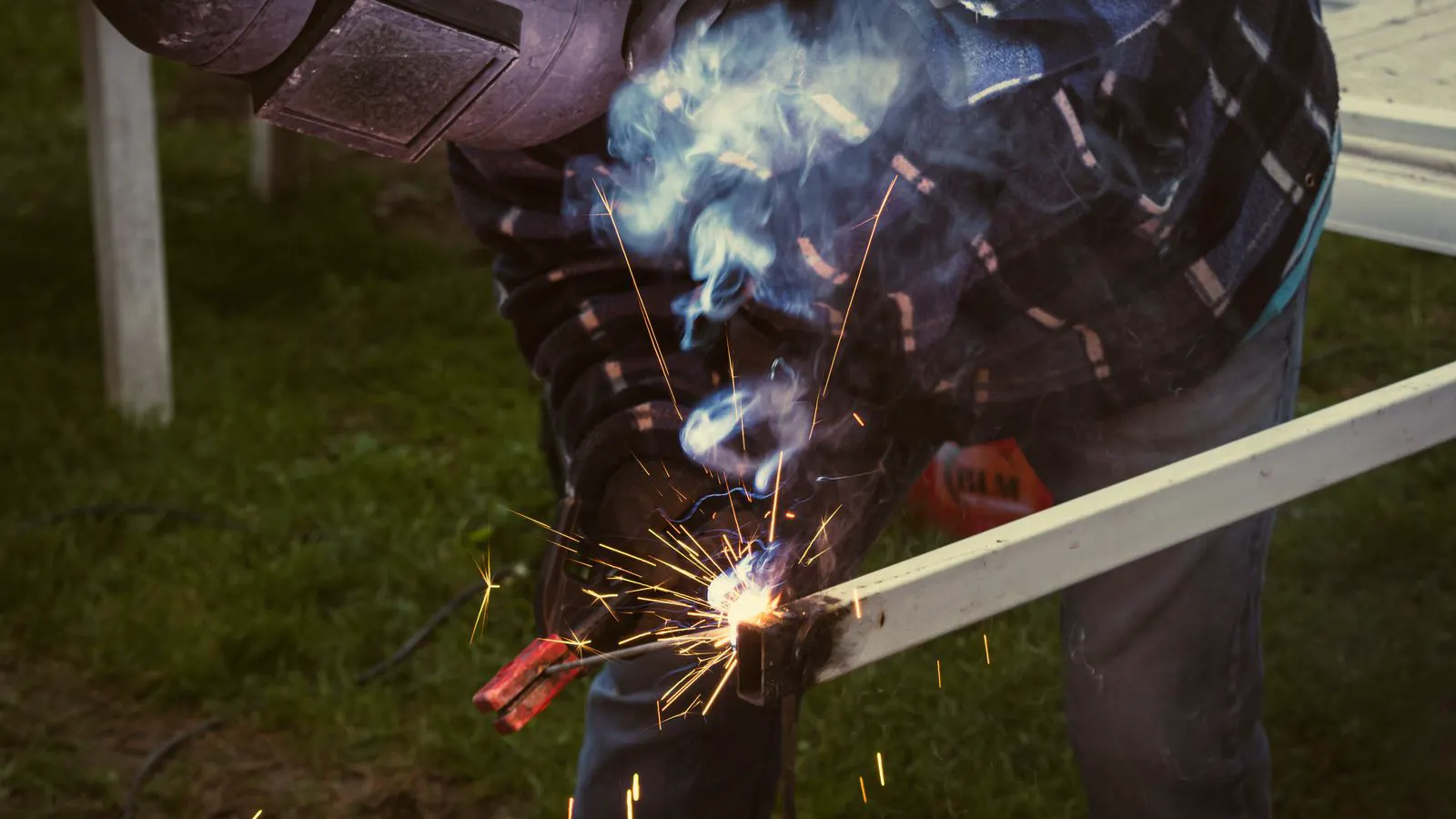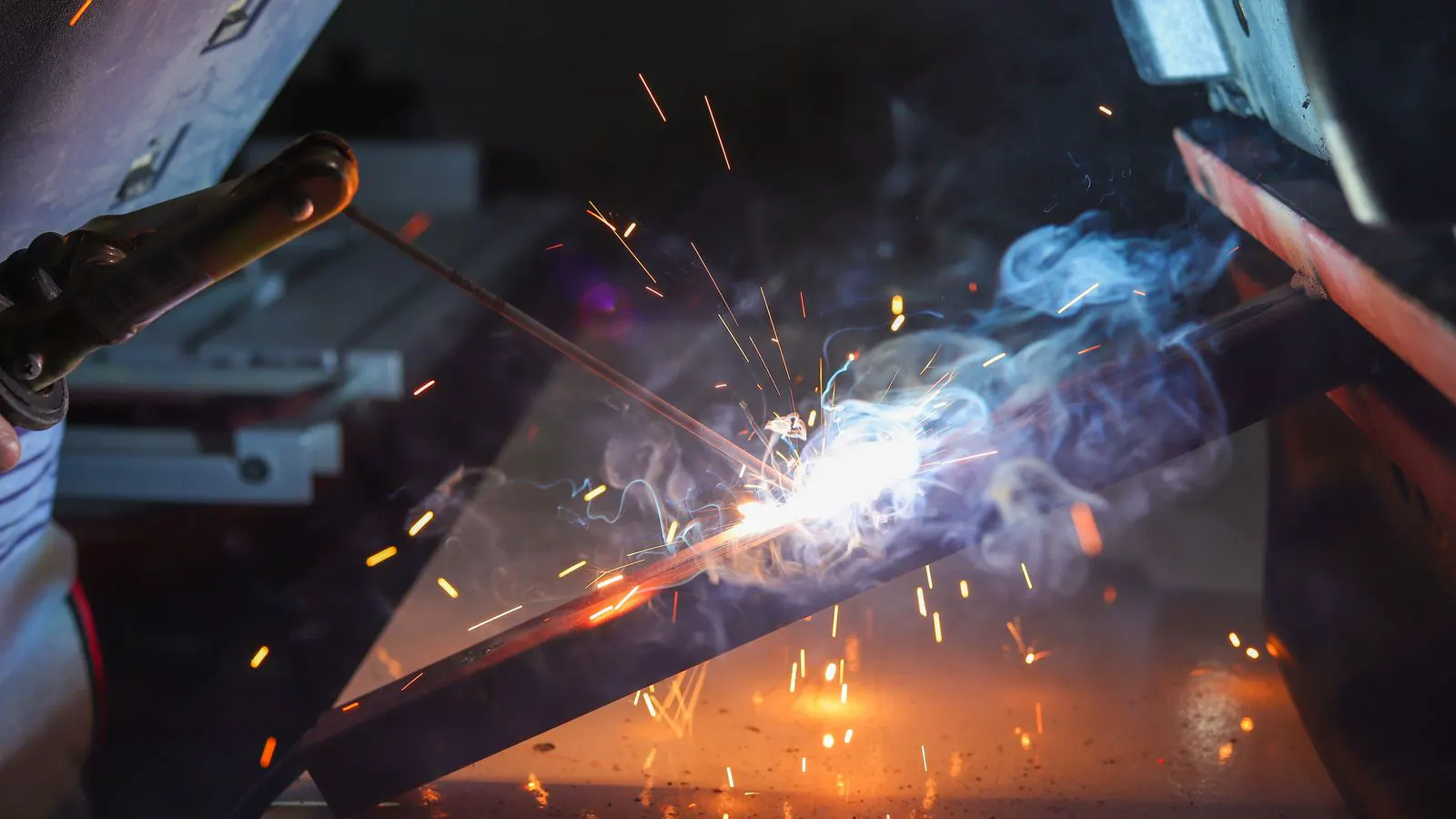
Procurement managers must confirm welding procedure specs before awarding sheet metal jobs. This checklist covers process definitions, qualification records, material compatibility, and documentation. It helps buyers avoid rework, failed inspections, and non-compliant welds.
- Check that the RFQ defines the specific welding process and filler metal.
- Confirm the welder and machine are qualified for the exact material thickness and position.
- Verify that procedure qualification records reference the correct joint geometry and position.
- Look for clear acceptance criteria based on visual, dimensional, and destructive testing.
Why RFQs Fail at the Welding Stage
Most sheet metal RFQs specify the final dimensions and surface finish. They often skip the details that determine whether a weld holds. When a buyer awards a job without reviewing the welding process, the shop may select a default method that does not fit the material or thickness.
The result is a weld that looks fine in a photo but fails in service. A thin stainless bracket may crack if the shop uses a high heat input process without a preheat plan. A thick carbon steel flange may reject a weld because the procedure was qualified for thin material only.
This checklist helps you catch these gaps before the contract is signed. It is built for procurement managers and engineers who need to verify the welding procedure specs without becoming welding experts themselves.
Confirm the Process and Material Match
The first line of defense is the process selection. You need to know if the shop is using TIG, MIG, or another method. The process choice affects heat input, penetration, and the final appearance.
Ask for the exact process name in the RFQ. Do not accept “welding” as a description. You need to know if the shop is using gas tungsten arc welding or a specific MIG variant.
Material and thickness dictate the process. A shop may be good at MIG welding on mild steel but poor at TIG on thin stainless. The procedure must match the actual part.
Check that the filler metal is named. Generic language like “matching filler” is a red flag. The specification should list the alloy, such as 308L for stainless or ER70S-6 for mild steel.
| Item to Check | What to Look For | Red Flag |
|---|---|---|
| Process Name | TIG, MIG, or specific variant | “Welding” with no process named |
| Filler Metal | Specific alloy code and grade | “Matching metal” or no alloy listed |
| Shielding Gas | Gas type and flow rate | Gas type missing or “standard” |
| Material Thickness | Range covered by qualification | Process qualified only for thin sheet |
Verify Qualification Scope
A welding procedure is only as good as its scope. A procedure qualified for vertical joints does not automatically cover horizontal or flat work. You must check the joint geometry.
The RFQ should state the joint type. Is it a butt joint, a T-joint, or a lap joint? Each requires a different setup. If the RFQ says “weld all seams,” that is too vague. Break it down.
Check the welder qualifications. The person at the machine must be certified for the specific material and thickness. A certified welder for thick plate may not be certified for thin sheet.
Ask for the qualification record number. You do not need to read the full log, but you need to know it exists. The shop should be able to provide a copy of the qualification record upon request.
The position of the weld matters. Welding in a vertical position is different from welding flat. If the part is assembled in a way that requires vertical or overhead welding, the procedure must cover that position.
Review Acceptance and Inspection Criteria
A procedure without acceptance criteria is just a set of operating instructions. You need to know how the shop will prove the weld is good.
Define the visual inspection standard. Does the weld need to be smooth? Is spatter allowed? Are undercuts permitted? Be specific. “Clean weld” is subjective. “No cracks, no porosity, smooth transition” is measurable.
Decide on dimensional checks. Welds have a leg size and a throat size. The RFQ should define the minimum and maximum dimensions. For example, a fillet weld on a 3mm bracket should have a leg size of at least 2mm.
Consider destructive testing. For critical parts, you may require a bend test or a tensile test. This is rare for simple brackets but common for load-bearing structures.
If you require destructive testing, specify the sample size. One test per batch or one per lot? This affects the cost and the timeline.
Check Documentation and Traceability
Welding documentation is your legal record. If a part fails in the field, you need to trace the weld back to the operator, the procedure, and the material lot.
The RFQ should require a weld map. This is a drawing of the part with weld locations numbered. It shows which welds were made and in what order.
Ask for the heat input log. This records the amperage, voltage, and travel speed. High heat input can cause distortion or burn-through. Low heat input can cause incomplete penetration.
The material traceability is also part of the documentation. The shop should provide mill certificates for the filler rods and the base metal. Without this, you cannot verify the chemical composition.
Keep the records for the life of the part. If the part is a safety component, you may need to retain the records for a longer period.
Identify Common Red Flags in RFQs
Some phrases in an RFQ are warning signs. They suggest the buyer or the supplier is guessing.
“Welding as per shop standard” is a major red flag. You are not buying the shop’s default. You are buying a specific quality level.
“Any suitable process” is another warning. It gives the supplier too much freedom. They might choose the cheapest method, not the best method for the part.
Missing thickness ranges are common. A shop may qualify a procedure for 1mm to 3mm sheet. If your part is 4mm, the procedure does not apply.
The absence of a preheat requirement is a red flag for thicker materials or low-alloy steels. Without preheat, the weld can crack as it cools.
If the RFQ does not specify the gas, the shop may use a generic mix. For stainless, the gas mix is critical. A wrong mix causes contamination.
How to Structure the RFQ Wording
Clear wording prevents miscommunication. Use specific language in the RFQ document.
Start with the process. “All butt joints to be welded using TIG with argon shielding.” This is clear. “Welding to be performed” is not.
Next, define the material. “Base metal is 1.5mm 304 stainless steel. Filler metal is 308L.” This removes ambiguity.
Then, state the joint requirements. “Welds must have a leg size of 2mm minimum. No undercut greater than 0.5mm.”
Finally, ask for the documentation. “Supplier to provide weld map and heat input log upon completion.”
This structure forces the supplier to think through the process. If they cannot meet it, they will say so before the contract is signed. You save money by avoiding rework.
Final Review Before Award
Before you send the RFQ to the supplier, review it yourself. Read it as a buyer, not as a writer.
Check that every weld location is defined. If a part has five welds, all five should be covered by the specification.
Verify that the material thickness is correct. If the part design changed, the RFQ must update.
Ensure the acceptance criteria are measurable. If you cannot test it, you cannot enforce it.
Keep a copy of the approved RFQ. It is your reference point when the part arrives. If the weld is not right, you can point to the document.
Frequently asked questions
Can I accept "welding to shop standard" in an RFQ?
No. This phrase gives the supplier too much freedom. You should specify the process, filler metal, and acceptance criteria.
Do I need to check the welder qualifications?
Yes. The welder must be certified for the specific material, thickness, and position. Ask for the qualification record number.
What is a weld map?
A weld map is a drawing of the part with weld locations numbered. It shows which welds were made and in what order.
How do I specify the gas for TIG welding?
State the gas type and flow rate. For stainless, specify the argon or argon/helium mix. Do not leave it to the supplier.
What if the part thickness changes after the RFQ is sent?
Update the RFQ immediately. A welding procedure qualified for one thickness may not apply to another. Requalify if needed.