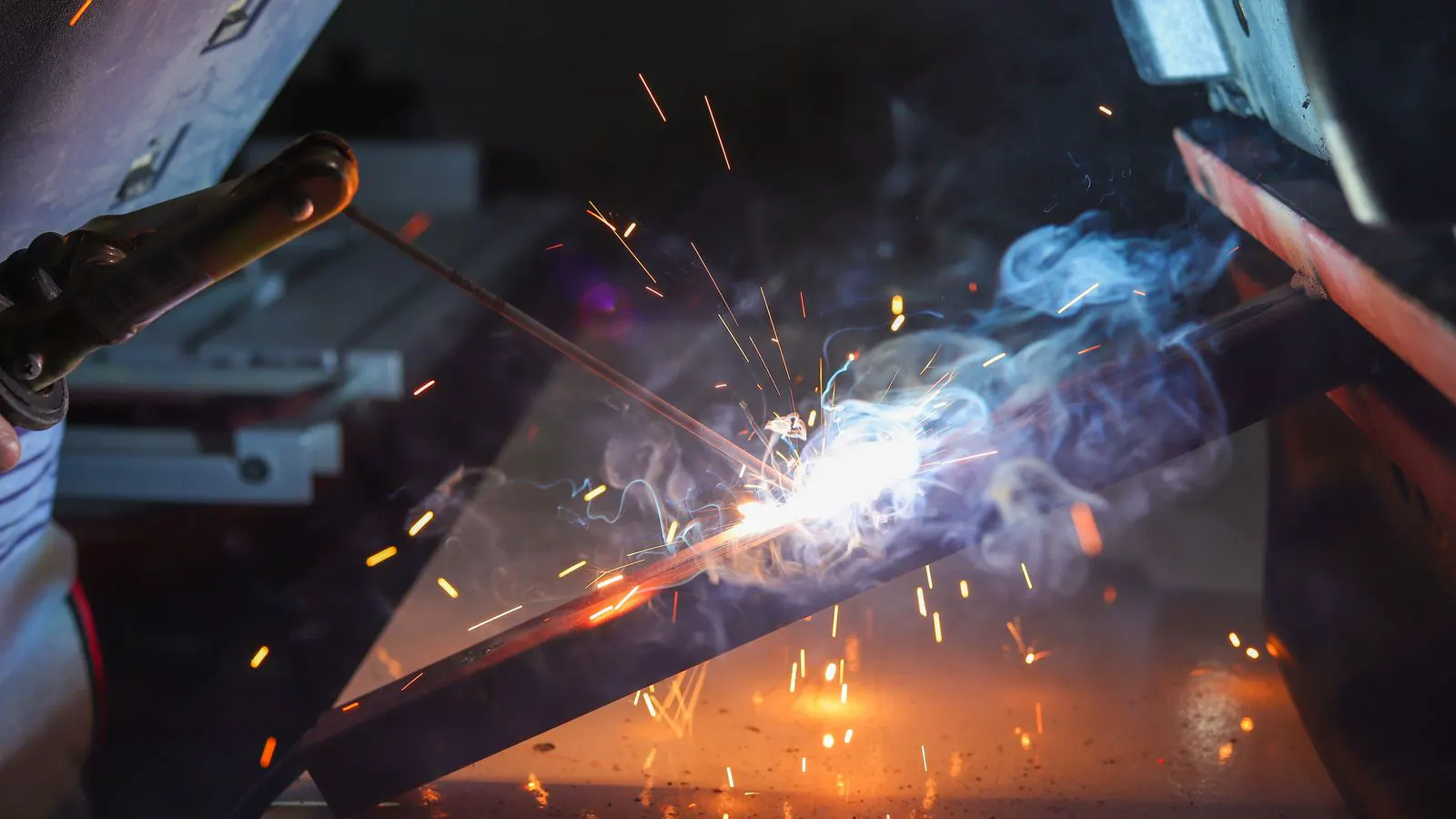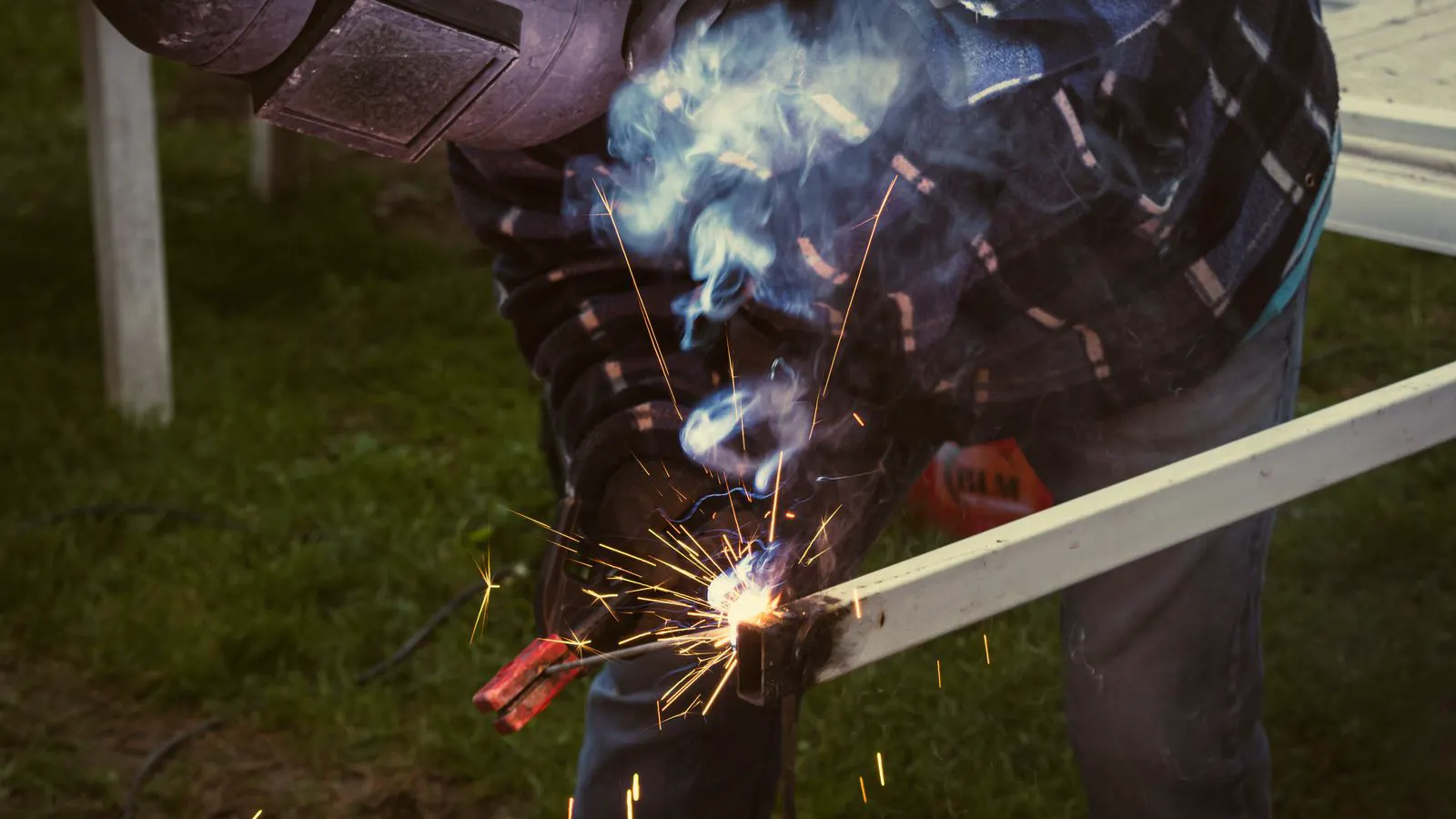
Sheet metal welding costs depend on method, thickness, and fit-up. TIG is slower but precise for thin sheet, while MIG is faster for thicker stock. Clear RFQs and fit-up checks help buyers compare quotes fairly.
- TIG welding costs more per hour than MIG but often saves money on thin sheet due to less rework.
- MIG welding costs less per hour but may require more preparation and cleanup for thin materials.
- Fit-up quality and welder qualifications drive more price variation than the base welding method alone.
- A clear RFQ specifying thickness, joint type, and access requirements leads to fairer quote comparisons.
Sheet metal welding costs vary widely based on material thickness, joint design, and the chosen process. For thin sheet, TIG welding often costs more per hour than MIG, but it may reduce rework and post-weld cleanup. For thicker material, MIG can be more economical because it fills joints faster. The final price depends on how much time each method consumes across the full operation, not just the welding pass itself.
What Drives the Base Cost Difference
The base cost of welding a joint is shaped by labor time and equipment efficiency. MIG welding typically deposits filler metal at a higher rate than TIG. This speed advantage makes it attractive for thicker sheet or when multiple passes are required. TIG welding produces a narrower, more controlled bead. That precision makes it better for thin sheet where heat input must be tightly controlled.
Labor cost is the largest variable in most fabrication quotes. A TIG welder may take longer to set up, strike the arc, and maintain a steady bead. A MIG welder can often move faster along a joint, especially on longer runs. However, setup time for TIG is often shorter than the preparation required to make a MIG weld acceptable on thin sheet. That preparation includes tacking, cleaning, and sometimes preheating.
Gas shielding also adds to the cost. Both processes require shielding gas, but TIG often uses pure argon or high-argon blends for better control. MIG may use a different mix, and the gas cylinder size can affect shop overhead. For small jobs, the gas cost is minor. For large production runs, it becomes a line item.
Equipment wear also differs. TIG electrodes need frequent changes. MIG wire consumes through the nozzle and contact tip. The shop that welds thin stainless all day will see a higher electrode and gas bill than one welding mild steel with MIG. These consumable costs roll into the final price.
How Material Thickness Changes the Price
Thickness is the single biggest factor in choosing between TIG and MIG for sheet metal. Thin sheet, under about 1.5 mm, is where TIG often wins on total cost. The narrow heat zone of TIG reduces warpage and burn-through. A thin sheet welded with MIG can distort quickly, requiring more clamping and more time to correct.
For sheet above 2 mm, the picture shifts. MIG can handle the higher heat input more efficiently. The welder can lay down filler faster, and the joint does not need as much attention to prevent burn-through. TIG on thicker sheet means more passes and more labor time. That time translates directly into a higher cost per joint.
Alloy type matters too. Stainless sheet responds well to TIG because the process gives better control over the heat-affected zone. Mild steel can be welded with either method, but MIG is common for speed. Aluminum sheet is trickier. Both methods require special gas mixes and clean surfaces. TIG is often preferred for aluminum because of its precision, but the cost per hour is higher.
Fit-Up Quality and Its Effect on Price
Fit-up quality changes the cost of welding more than the method itself. A joint that is well aligned and clean welds faster with either TIG or MIG. A joint with gaps, misalignment, or surface contamination requires extra preparation. That preparation time is billed as labor.
Before final assembly, inspectors check the joint. Gaps wider than expected, uneven edges, or debris on the surface all add time. TIG is more forgiving of small imperfections because the welder can fill them with the arc. MIG is less forgiving. A large gap can cause the arc to wander, creating a weak weld. The welder may need to tack the joint more frequently or use a backing bar.
A clear RFQ should specify the maximum gap, edge preparation, and surface cleanliness. If the buyer does not state these, the shop will assume standard conditions. If the actual parts arrive with larger gaps, the quote may not cover the extra time. This is where quotes diverge. One shop may include fit-up correction in the price. Another may bill it as a change order.
How to Write a Clear RFQ for Fair Comparison
A clear RFQ helps buyers compare quotes fairly. The document should state the material, thickness, joint type, and quantity. It should also specify the access condition. If the joint is internal and the welder must reach with a long rod, that adds time. If the joint is open and accessible, the time is lower.
The RFQ should state the required penetration depth. For sheet metal, this is often a fraction of the total thickness. If the buyer does not specify, the shop may use a standard. That standard may be sufficient for structural use but not for a leak-tight joint. Stating the requirement prevents rework later.
Access and position matter. Horizontal joints weld faster than vertical or overhead joints. The welder must work against gravity. That slows the pass and increases the chance of defects. A vertical joint on a thin sheet may require tacking and slower travel. An overhead joint may require special fixtures.
The RFQ should state whether the weld needs to be ground or left as welded. Grinding is extra labor. It removes spatter and smooths the bead. For cosmetic work, grinding is required. For functional work, it may not be. The cost difference can be significant.
How Lead Time Affects the Total Cost
Lead time is a cost factor that buyers often overlook. A faster process may have a lower base price but a longer lead time. A slower process may have a higher base price but a shorter lead time because it requires less setup.
MIG welding can be faster on long joints. If the shop has multiple MIG stations, it can run parallel. TIG welding is often done on a single station because it requires more attention. If the project is a single large joint, MIG may be faster. If the project is many small joints, TIG may be faster because the setup time per joint is lower.
Setup time is a hidden cost. TIG setup includes cleaning the electrode, checking the gas flow, and preparing the filler rod. MIG setup includes changing the wire, checking the nozzle, and adjusting the voltage. These tasks take minutes, but multiplied over many joints, they add up.
Lead time also affects inventory. If the buyer needs the parts delivered in two weeks, the shop may charge a premium for rush work. If the buyer can wait four weeks, the shop may offer a standard price. The welding method affects lead time because it changes the shop schedule. A TIG job may take a welder for a full day. A MIG job may take half a day. That frees up capacity for other work.
How to Compare Quotes Fairly
Comparing quotes fairly requires looking beyond the base price. The quote should break down labor, materials, and overhead. If one quote is low, ask what is excluded. Is fit-up included? Is grinding included? Is inspection included?
The quote should state the assumed thickness. If the actual sheet is thicker, the price may change. The quote should state the assumed joint condition. If the joint has gaps, the price may change. The quote should state the assumed access. If the joint is internal, the price may change.
A fair comparison looks at the total cost per joint. If one quote is $50 per joint and another is $40 per joint, but the first includes grinding and the second does not, the first may be cheaper after grinding is added. The buyer should ask for a breakdown of each line item.
The quote should state the warranty. A weld with a good warranty may cost more upfront but save money later. A weld with no warranty may cost less upfront but risk rework. The warranty should cover defects in the weld itself, not defects in the material or design.
Cost Drivers Table
| Cost Driver | Impact on TIG | Impact on MIG |
|---|---|---|
| Material thickness | Higher on thin sheet | Lower on thin sheet |
| Joint gap | Tolerates small gaps | Requires tight fit-up |
| Access | Slower on internal joints | Faster on open joints |
| Surface prep | Requires clean surface | Requires clean surface |
| Grinding | Often included for finish | Often included for finish |
| Lead time | Longer per joint | Shorter per joint |
Common Mistakes That Raise Cost
Buyers often underestimate the cost of poor fit-up. A joint that is not aligned correctly will take longer to weld and may need to be reworked. The extra time is billed as labor. The rework may require cutting and re-cutting, which adds material waste.
Buyers often do not specify the weld quality. A weld that is good enough for a shelf is different from a weld that must hold a pipe. The inspection level changes the cost. A visual inspection is cheaper than a destructive test. A dye penetrant test is cheaper than an X-ray. The buyer must state the inspection method.
Buyers often assume that the cheaper method is better. For thin sheet, TIG is often better because it produces a cleaner, stronger weld. For thick sheet, MIG is often better because it is faster and cheaper. The method should be chosen based on the material and the joint, not just the price.
Buyers often do not ask for a breakdown. A single number does not tell the whole story. A breakdown shows where the cost comes from. It helps the buyer identify where to save money. It also helps the shop understand what the buyer values.
A clear RFQ, a well-prepared joint, and a fair comparison of quotes will lead to a better price and a better weld. The method is a choice. The cost is a result of how that choice fits the project.
Frequently asked questions
Which welding method is cheaper for thin sheet metal?
TIG welding is often more expensive per hour but can be cheaper overall for thin sheet because it reduces rework and cleanup. MIG welding is cheaper per hour but may require more preparation.
How does material thickness affect welding cost?
Thin sheet favors TIG because it controls heat input. Thick sheet favors MIG because it deposits filler faster. The cost difference grows as thickness increases.
What should I include in an RFQ for welding?
Include material, thickness, joint type, quantity, access condition, penetration depth, and inspection method. These details help shops give fair quotes.
Can I save money by choosing MIG over TIG?
Yes, for thicker sheet or longer joints. MIG is faster and cheaper per hour. But for thin sheet, TIG may save money by reducing rework.
How does lead time affect welding cost?
Lead time affects capacity and scheduling. A faster method may free up shop capacity and reduce rush charges. A slower method may take longer and increase inventory costs.