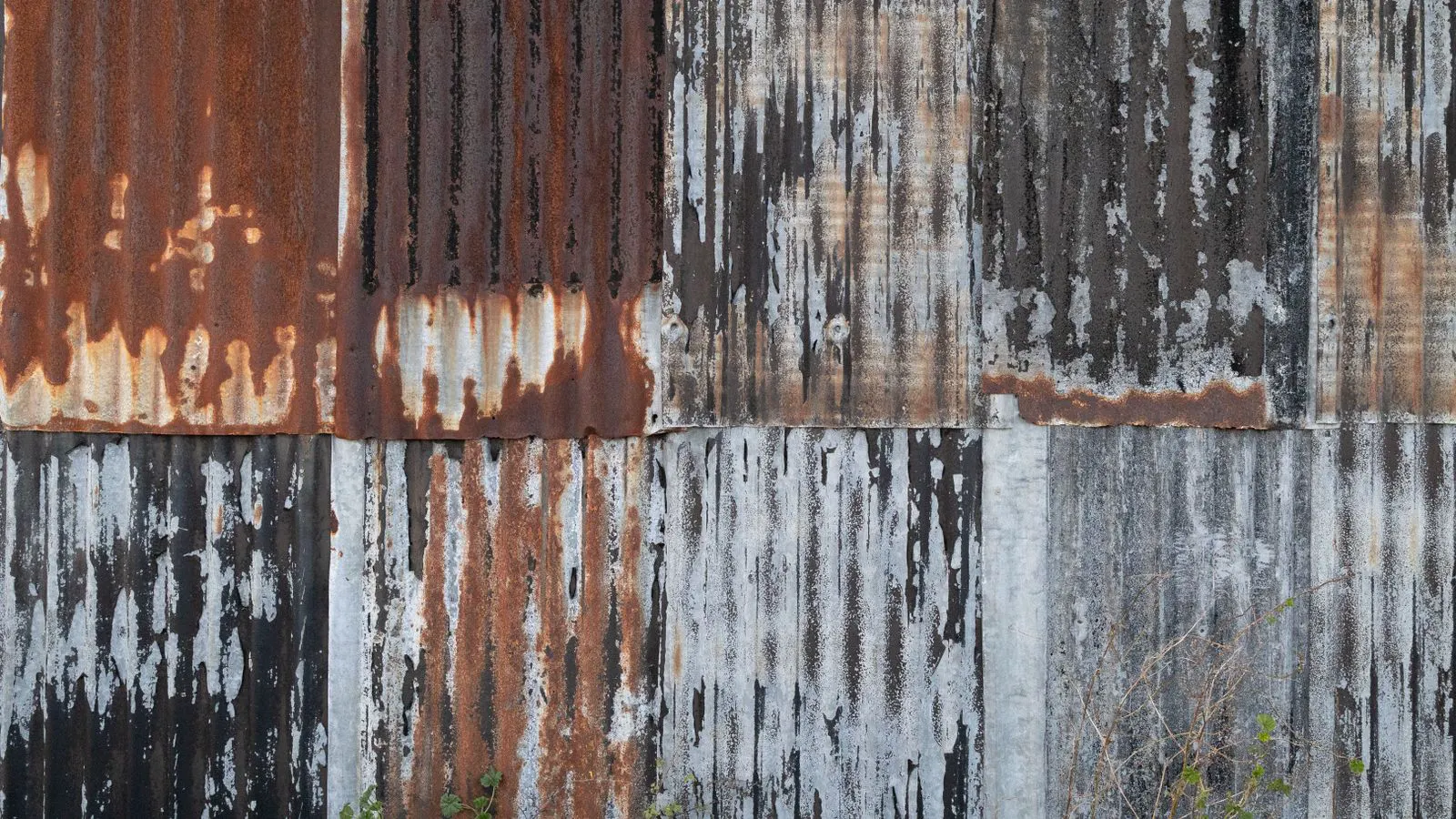
Finish peeling is an adhesion failure where the coating detaches from the substrate. This guide lists common symptoms, likely causes, and corrective actions. It also covers surface preparation and curing checks to prevent the issue.
- Surface contamination is the most common cause of adhesion failure before coating is applied.
- Verify substrate preparation methods, including degreasing, chemical etching, and conversion coatings.
- Check curing schedules and film thickness to ensure the coating has fully hardened.
- Inspect part geometry and stress points where coating might crack or peel under load.
- Use adhesion tests, such as tape pulls or crosshatch methods, to verify coating integrity.
Understanding the Failure
Finish peeling is a visible sign that the coating has lost its bond to the metal substrate. This adhesion failure can occur immediately after production or years later during service. The result is a part that looks damaged, even if the underlying structure remains intact.
Engineers often trace these failures to a specific step in the manufacturing process. The problem rarely starts at the point of visible damage. It usually begins during surface preparation or the curing phase. Identifying the exact trigger requires a systematic approach to inspection and testing.
Consider a batch of stamped brackets that arrive at a final assembly plant with powder coating lifting at the corners. The brackets are structurally sound, but the finish is compromised. The lifting is not caused by the assembly line. It is a legacy issue from the coating facility. The coating was applied too thickly, and the corners, which hold more material, did not cure fully. The coating remained soft in the center of the film. During handling, the stress of lifting the bracket caused the soft core to separate from the cured skin. The part looks like it failed in the warehouse, but the root cause was a cure time deviation during production.
When a failure appears, the first task is to map the pattern. Is it random? Is it localized? Does it follow a specific geometry? Random peeling often points to contamination. Peeling at edges or corners often points to stress concentration or film thickness issues. Peeling only over welds points to heat-affected zones or residual flux. By looking closely at where the coating fails, you can often narrow the diagnosis to a single process step before running expensive laboratory tests.
Common Symptoms and Their Causes
The appearance of the failure gives a strong clue to the root cause. Different symptoms point to different stages of the process. A systematic review of these signs helps narrow down the diagnosis quickly.
| Symptom | Likely cause | What to do |
|---|---|---|
| Flaking in large sheets | Poor surface cleaning or contamination | Verify degreasing and solvent wipe procedures |
| Peeling at sharp edges | Stress concentration or coating too thick | Review part geometry and adjust coating thickness |
| Blistering or bubbling | Trapped moisture or solvent | Check drying times and environmental humidity |
| Peeling only at weld zones | Heat-affected zone or residual flux | Inspect post-weld cleaning and passivation steps |
| Uniform delamination | Incorrect curing or incompatible substrates | Review cure schedule and material compatibility |
| Pinholes leading to peeling | Inadequate surface profile or dust | Check sandblasting or chemical etching parameters |
For example, if a large sheet of steel shows flaking in irregular patches, the issue is rarely the oven. It is almost always the pretreatment. If the degreasing bath is not effective, oil remains on the surface. The powder coating flows over the oil but cannot bond to it. The result is flaking that looks random because the oil was not uniformly distributed.
If peeling occurs only at sharp edges or corners, the geometry is a factor. Corners hold more powder. This thicker film takes longer to cure. If the oven cycle is just long enough for the thin areas, the corners may remain soft. When the part is bent or handled, the stress concentrates at the edge. The soft coating cracks and peels away.
Blistering is a different problem. It usually means moisture or solvent is trapped under the coating. This happens when parts are not dry enough before coating, or when the environment is too humid. The trapped moisture expands as the part heats up in the oven, creating bubbles. If the bubbles are large, they eventually pop or peel, leaving a crater or a loose patch.
Surface Preparation and Contamination
The metal surface must be clean and consistent before coating is applied. Any oil, grease, or shop dirt creates a barrier between the substrate and the finish. This barrier prevents the coating molecules from bonding to the metal atoms.
Degreasing is the first critical step. Parts coming from machining or welding often carry residual oils from cutting fluids or handling. A simple wipe-down is rarely enough for high-precision applications. Industrial degreasers and solvent washing are standard practices.
Consider a batch of machined aluminum brackets. These parts are freshly cut. The cutting fluid contains a mix of oil, water, and additives. If the parts are not thoroughly degreased, these residues remain in the micro-pores of the surface. Even if the surface looks clean to the naked eye, the oil is still there. When the powder coating is applied, it flows over the oil. The bond fails because the coating is bonding to the oil, not the aluminum.
Contamination from the environment also plays a role. Dust and humidity in the pre-treatment area can settle on parts before they reach the coating line. Keeping the area controlled and ensuring parts move quickly through the process reduces this risk.
For example, a coating line in a dusty area may have parts sitting on racks for hours before they reach the spray booth. Dust accumulates on the parts. This dust becomes embedded in the wet powder coating. It creates weak points that peel away later. The solution is to minimize the time parts spend in the uncoated state. This often requires rearranging the line or adding air knives to blow off loose dust before coating.
Another common issue is skinning. This happens when moisture condenses on the surface of the metal after degreasing. The metal cools down, and the humidity in the air condenses as a thin film of water. This water film is invisible but acts as a barrier. If the parts are not dried thoroughly before coating, the skinning can cause blistering or poor adhesion.
Chemical and Mechanical Conditioning
A bare metal surface is often too smooth or too reactive for a long-lasting bond. Mechanical methods like sandblasting or grit blasting create a micro-profile that increases surface area. This profile helps the coating “grip” the substrate.
Chemical methods, such as acid etching or phosphating, create a conversion coating on the metal. This layer chemically bonds to the substrate and improves the adhesion of the top coat. For carbon steel, phosphating is a common choice. For aluminum, chromate or chromate-free treatments are used to prepare the surface.
The specific method depends on the material and the desired finish. The key is consistency. A change in the etchant concentration or the grit size can alter the surface profile and lead to adhesion issues.
For example, if a manufacturer switches from a coarser grit to a finer grit for sandblasting, the surface profile changes. The finer grit leaves a smoother surface. This reduces the mechanical keying that helps the coating hold. If the coating is designed for a rougher profile, the adhesion may drop. The coating may still apply evenly, but it will not bond as strongly.
Chemical etching adds a layer of chemistry to the surface. For steel, phosphoric acid etching creates a layer of iron phosphate. This layer is porous and provides a chemical anchor for the coating. If the etching time is too short, the layer is thin. If it is too long, the metal may be etched back too much, damaging the part. The etching bath must be monitored regularly to ensure the acid concentration is correct.
For stainless steel, the situation is different. Stainless steel is passive. It has a thin oxide layer on the surface. This layer is very stable and does not bond well with many coatings. To prepare stainless steel, you often need to remove this oxide layer or activate it. This can be done with a caustic wash or a specific etchant. If the oxide layer is not removed, the coating may peel easily.
Curing and Film Thickness
The coating must reach its full cure temperature and duration to become hard and durable. If the part leaves the oven too early, the coating remains soft and flexible. It will not withstand mechanical stress or chemical exposure.
Film thickness is another factor. If the coating is too thick, it may not cure properly in the center. This can lead to a soft core that peels away from the cured surface. If it is too thin, it may not provide adequate protection or adhesion strength.
Manufacturers should track oven temperatures and cycle times for every batch. Logging these parameters allows for troubleshooting if a failure occurs. A deviation of a few degrees or minutes can sometimes be enough to cause a problem.
For example, a powder coating is specified to cure at 200 degrees Celsius for 10 minutes. If the oven temperature is only 190 degrees, the coating may not cure fully. It will be soft. If the part is bent or handled, the coating will crack. If the coating is applied too thick, say 300 microns instead of the standard 100 to 150 microns, the center of the film may not reach the cure temperature. The skin may look cured, but the core remains soft. When the part is used, the soft core fails.
Film thickness is critical. It is usually measured with a gauge or by X-ray equipment. The gauge is fast and cheap, but it only measures the thickness on the surface. X-ray can measure the thickness through the part, but it is slower and more expensive. For high-volume production, gauges are often used at random points along the line. For critical parts, X-ray or destructive testing may be required.
Environmental and Service Factors
Even a well-applied coating can fail if the environment is harsh. High humidity, salt spray, or UV exposure can attack the coating over time. UV light can degrade some powder coatings, making them brittle and prone to cracking.
Thermal cycling is a common stressor. If a part heats up and cools down repeatedly, the metal and the coating expand and contract at different rates. This differential movement can cause the coating to crack and peel.
Understanding the service environment is key. A part for an indoor office environment has different requirements than a part for an outdoor industrial setting. The finish specification should match the intended use.
For example, a powder coating for an indoor office chair does not need to withstand salt spray or UV light. A powder coating for an outdoor sign must be formulated to resist these elements. If the same coating is used for both, the outdoor sign will fail much faster than the indoor chair. The coating for the sign may contain UV stabilizers and a harder top coat. The coating for the chair may be softer and more flexible.
Thermal cycling is a major issue for parts that move between hot and cold environments. For example, a part that is stored in a cold warehouse and then used in a hot engine bay will experience large temperature changes. The metal expands and contracts. The coating expands and contracts at a different rate. This differential stress can cause the coating to crack. If the coating is brittle, the cracks will propagate quickly.
Diagnostic Testing
Visual inspection is a good start, but it is not enough. Adhesion testing provides objective data on the strength of the bond. The tape test, or crosshatch test, is a simple way to check for delamination.
In a tape test, a piece of high-tack tape is applied over a scored area of the coating. When the tape is pulled off quickly, any coating that lifts off indicates a weak bond. The results are usually scored based on how much coating remains.
For more rigorous testing, pull-off tests measure the force required to remove a small area of the coating. This provides a specific number, in units of force, that can be compared against a minimum standard. These tests are useful for verifying the quality of the finish before the part ships.
Consider a batch of coated panels that show peeling at the edges. A visual inspection shows the peeling, but it does not tell you the bond strength. A tape test on the center of the panel may show a strong bond. A tape test on the edge may show a weak bond. This confirms that the edge is the problem.
A pull-off test provides a number. If the specification requires a minimum adhesion of 5 MPa, and the test shows 2 MPa, the coating is failing. The number helps you compare batches. If one batch shows 5 MPa and another shows 3 MPa, you know something changed in the process.
Prevention and Quality Control
Preventing finish peeling is easier than fixing it after the fact. A robust quality control plan checks the process at every stage.
- Incoming Material: Verify that raw sheet metal is clean and free of mill scale or heavy contamination.
- Pre-treatment: Monitor degreasing and etching baths regularly. Check concentrations and pH levels.
- Coating Application: Ensure consistent film thickness using a gauge or X-ray equipment.
- Curing: Log oven temperatures and times for every batch. Use calibrated sensors.
- Final Inspection: Perform adhesion tests on a sample of parts from each production run.
For example, if the degreasing bath is not being monitored, the oil content may rise. As the oil content rises, the degreasing efficiency drops. The parts coming out of the bath may still look clean, but they carry more oil. The coating will fail. By monitoring the bath, you can catch this problem before it causes a failure.
Similarly, if the oven temperature is not logged, you may not know when a failure occurred. If a batch fails, you need to know if the oven was at the correct temperature. If the temperature was low, you know the cause. If the temperature was correct, you look elsewhere.
Material and Finish Compatibility
Not all materials bond well with every finish. The choice of substrate and coating must be compatible. For example, some oils used on stainless steel can interfere with certain powder coatings.
Understanding the chemistry of the materials involved is important. If a new alloy or a new type of finish is introduced, testing is required. A small batch should be produced and tested for adhesion before full-scale production begins.
This step prevents surprises in the field. It ensures that the engineering choices are sound and that the finish will perform as expected.
For example, a manufacturer may switch to a new type of stainless steel. The new steel may have a different surface finish or a different alloy composition. This can change the adhesion of the coating. If the coating was tested on the old steel, it may not perform as well on the new steel. Testing is required to ensure compatibility.
When to Seek Professional Help
Some adhesion failures are complex and require expert analysis. If the cause is not obvious, a materials testing laboratory can perform detailed analysis. This might include X-ray fluorescence to identify contaminants or microscopy to examine the failure surface.
Working with a specialist can save time and money. They can identify hidden issues that are not visible to the naked eye. Their recommendations can help improve the process and prevent future failures.
For example, if a coating fails in a pattern that does not match any of the common symptoms, a specialist may be needed. The failure may be caused by a chemical reaction that is not visible. Or it may be caused by a subtle change in the surface profile. A specialist can use advanced tools to identify the cause. This helps the manufacturer fix the problem and prevent it from happening again.
Frequently asked questions
What is the most common reason for finish peeling?
Surface contamination, such as oil or grease, is the most frequent cause. It prevents the coating from bonding to the clean metal substrate.
How can I check if a powder coating is properly cured?
Check the cure schedule provided by the coating supplier. Verify that the part reached the required temperature and stayed there for the specified duration.
Does the type of metal affect adhesion?
Yes. Different metals react differently to chemical pre-treatments. Aluminum, for instance, requires a different etching process than carbon steel to prepare for coating.
Can finish peeling be repaired?
Minor areas can sometimes be touched up, but extensive peeling usually requires stripping the old coating and re-applying it. Prevention is more cost-effective.
How long should a proper finish last?
It depends on the service environment and the quality of the application. A well-prepared and cured finish should last for the intended life of the part without peeling.


