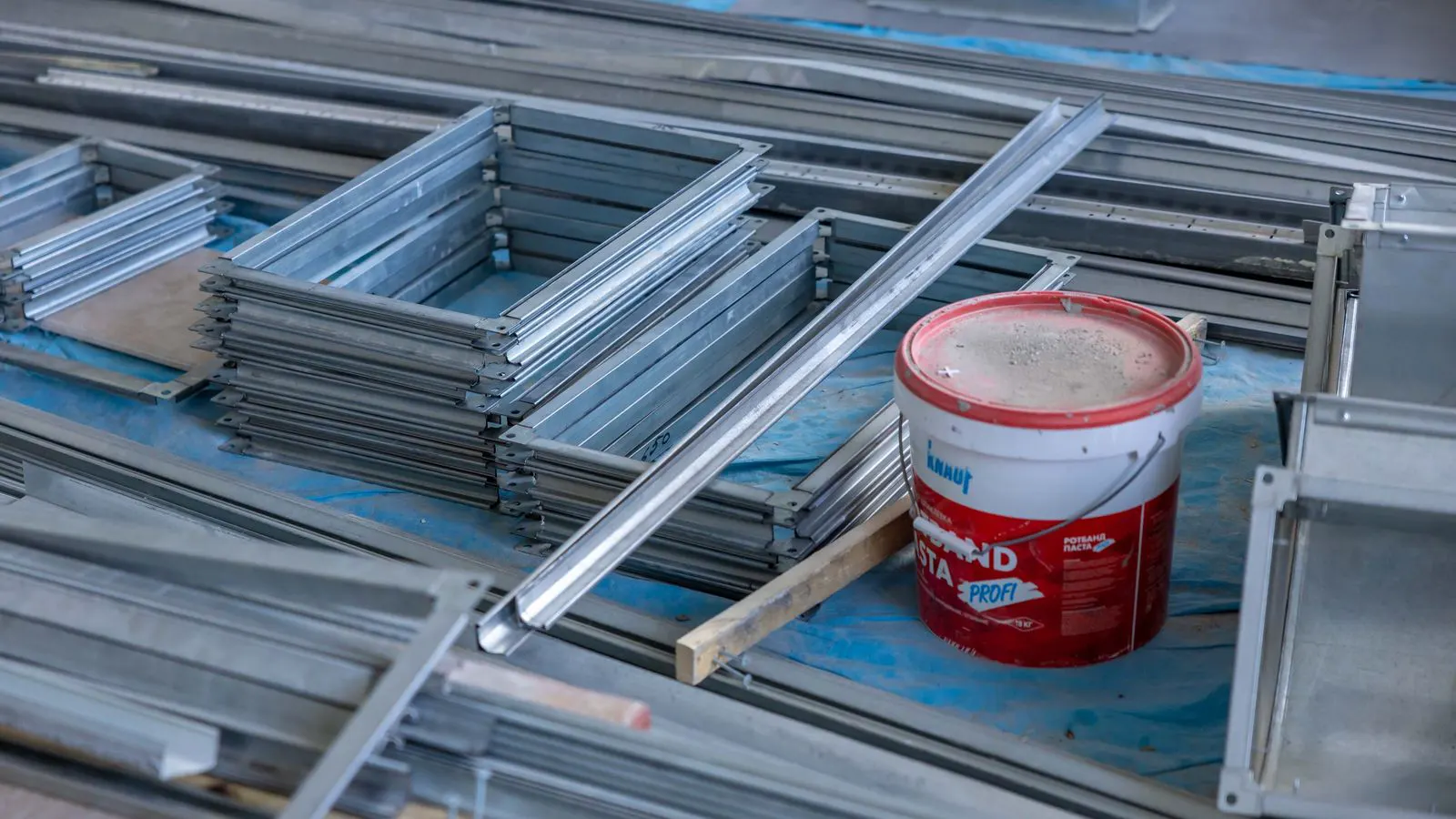
Hot dip zinc offers superior corrosion resistance and is ideal for harsh environments. Powder coating provides broader color options and a smoother finish. The choice depends on environmental exposure, required aesthetics, and budget constraints.
- Hot dip zinc provides thicker protection and better performance in corrosive environments.
- Powder coating offers superior color variety and a smoother, more uniform surface finish.
- Cost differences depend on part complexity, volume, and required finish thickness.
- Hot dip zinc is often preferred for outdoor structural applications.
- Powder coating is better suited for aesthetic applications and indoor environments.
Which Finish Handles Corrosion Better
Corrosion protection is the primary reason to select either finish. Hot dip zinc involves dipping steel parts in molten zinc, which creates a bonded layer through galvanic reaction. The zinc layer typically measures several hundred microns thick. This thickness provides substantial barrier protection. When scratched or damaged, the zinc continues to protect the underlying steel through galvanic action. The coating sacrifices itself before the base metal corrodes.
Powder coating applies a dry polymer powder that melts onto the heated part. The cured coating creates a hard, plastic-like layer. Typical thicknesses range from 100 to 300 microns. This layer acts as a physical barrier against moisture and chemicals. However, if the coating chips or scratches, corrosion can start at the exposed area. The coating does not offer galvanic protection.
For applications exposed to salt air, industrial chemicals, or frequent mechanical damage, hot dip zinc generally provides longer service life. For controlled indoor environments or areas with minimal moisture, powder coating performs well.
How Do Aesthetics Compare
Powder coating offers significantly more visual options. Manufacturers can produce virtually any color from a standard RAL or Pantone chart. The finish remains smooth and uniform, with no visible drips or orange peel. This makes powder coating the preferred choice for consumer-facing products, architectural elements, and furniture.
Hot dip zinc produces a spangled appearance. The surface shows small crystal patterns from the cooling process. The color is typically silvery gray with some yellowish tones. This finish is industrial in character. It does not match aesthetic requirements for visible applications. Post-processing options exist, such as chromate conversion coating or paint application, but these add cost and complexity.
If the part will be seen by customers or integrated into a finished product, powder coating is usually the better fit. If the part will be hidden, structural, or exposed to outdoor conditions, hot dip zinc is more practical.
What Does Each Option Cost
Cost comparison depends on several factors. Part geometry, volume, and required finish thickness all influence pricing. Hot dip zinc requires large dipping tanks and handling infrastructure. The process involves heating, dipping, and cooling. Parts must be cleaned before dipping and cleaned again after coating to remove oxide scale.
Powder coating requires pre-treatment, typically acid wash or chemical conversion. Parts are heated in ovens to cure the powder. The equipment is generally more compact than hot dip facilities. However, color changes require cleaning and reprogramming ovens, which affects throughput.
In general terms, hot dip zinc costs more per part for small batches due to process complexity. Powder coating can be more economical for high-volume production with consistent colors. For large structural pieces, hot dip zinc may be more cost-effective despite the higher unit price because it reduces maintenance and replacement costs over the part’s life.
When to Choose Hot Dip Zinc
Hot dip zinc is the right choice for several specific scenarios. Use it when parts will be exposed to outdoor elements, coastal areas, or industrial environments. The zinc layer withstands UV exposure, rain, and temperature fluctuations without degrading.
Select hot dip zinc for structural applications where mechanical strength matters. The coating does not add significant weight or affect structural integrity. It is commonly used for bridge components, utility poles, street furniture, and agricultural equipment.
Consider hot dip zinc when the part will experience impact, abrasion, or frequent handling. The thicker layer resists damage better than powder coating. If the part must pass specific coating thickness standards, hot dip zinc meets these requirements more easily.
When to Choose Powder Coating
Powder coating is the preferred option when appearance is a primary requirement. Use it for consumer products, commercial furniture, architectural panels, and any application where the finish is visible. The color consistency and smooth surface deliver a professional look.
Choose powder coating for indoor applications or controlled environments. The finish resists moisture and minor chemicals well. It is suitable for office equipment, medical devices, and interior components.
Select powder coating when part geometry is complex. Intricate shapes, thin sections, and detailed surfaces coat more uniformly with powder than with hot dip zinc. The powder flows into crevices and applies evenly without running.
How to Make the Final Decision
The choice between hot dip zinc and powder coating comes down to the specific requirements of the part. Start with the service environment. If the part will be outdoors or in a corrosive setting, hot dip zinc provides better protection. If the part will be indoors or in a mild environment, powder coating performs adequately.
Next, consider the visual requirements. If the finish must match a specific color or maintain a smooth appearance, powder coating is the only viable option. Hot dip zinc cannot deliver custom colors without additional coating layers.
Finally, evaluate the cost structure. For small batches with custom colors, powder coating may be more expensive. For high-volume production with standard industrial finishes, hot dip zinc offers better long-term value. Request samples from both processes if possible. Inspect the coating for defects, adhesion, and appearance before committing to a large order.
Quick Comparison Table
| Option | Best for | Limitations |
|---|---|---|
| Hot Dip Zinc | Outdoor structures, high-corrosion environments, long service life | Limited color options, industrial appearance, thicker coating |
| Powder Coating | Aesthetic applications, indoor products, custom colors | No galvanic protection, thinner coating, requires pre-treatment |
| Hot Dip Zinc Plus Powder | Critical outdoor parts needing both protection and appearance | Higher cost, longer lead time, complex process |
Practical Considerations for Buyers
Before specifying a finish, communicate your requirements clearly to the fabricator. Specify the required coating thickness, color standards, and environmental exposure. Ask about the pre-treatment process used. For hot dip zinc, confirm the zinc thickness and any post-treatment. For powder coating, request color samples and cure specifications.
Inspect finished parts before acceptance. Check for coating defects such as runs, pinholes, or incomplete coverage. For hot dip zinc, verify that the coating is even and free of large oxide deposits. For powder coating, examine the surface for orange peel, sagging, or color variation.
Retain samples from each batch. These serve as references for future orders and help identify consistency issues. Store samples in a controlled environment to prevent degradation. Keep the mill certificates and coating specifications on file for traceability.
Remember that the finish is just one part of the corrosion protection strategy. Proper design, edge preparation, and drainage all affect service life. A well-executed finish on poorly designed parts will underperform. A standard finish on well-designed parts will outlast a premium finish on poorly designed parts.
Frequently asked questions
Can I apply powder coating over hot dip zinc?
Yes, you can apply powder coating over hot dip zinc. This combination provides both galvanic protection and aesthetic appearance. The process adds cost and lead time but is used for high-end outdoor applications.
How long does hot dip zinc last compared to powder coating?
Hot dip zinc typically outlasts powder coating in corrosive environments. The zinc layer provides longer protection and self-healing properties. Powder coating can last well in mild environments but requires more frequent maintenance in harsh conditions.
Which finish is better for thin sheet metal?
Powder coating is generally better for thin sheet metal. The powder flows into tight spaces and coats thin sections evenly. Hot dip zinc can work with thin sheet but requires careful handling to prevent distortion during the dipping process.
Do both finishes require pre-treatment?
Yes, both require pre-treatment. Parts must be cleaned, degreased, and surface-prepared before coating. The specific chemicals and processes differ between the two methods.
Can I change the finish after the part is manufactured?
No, you cannot change the finish after manufacturing. The finish is applied during production. Specify the correct finish during the design and ordering stage to avoid costly rework.


