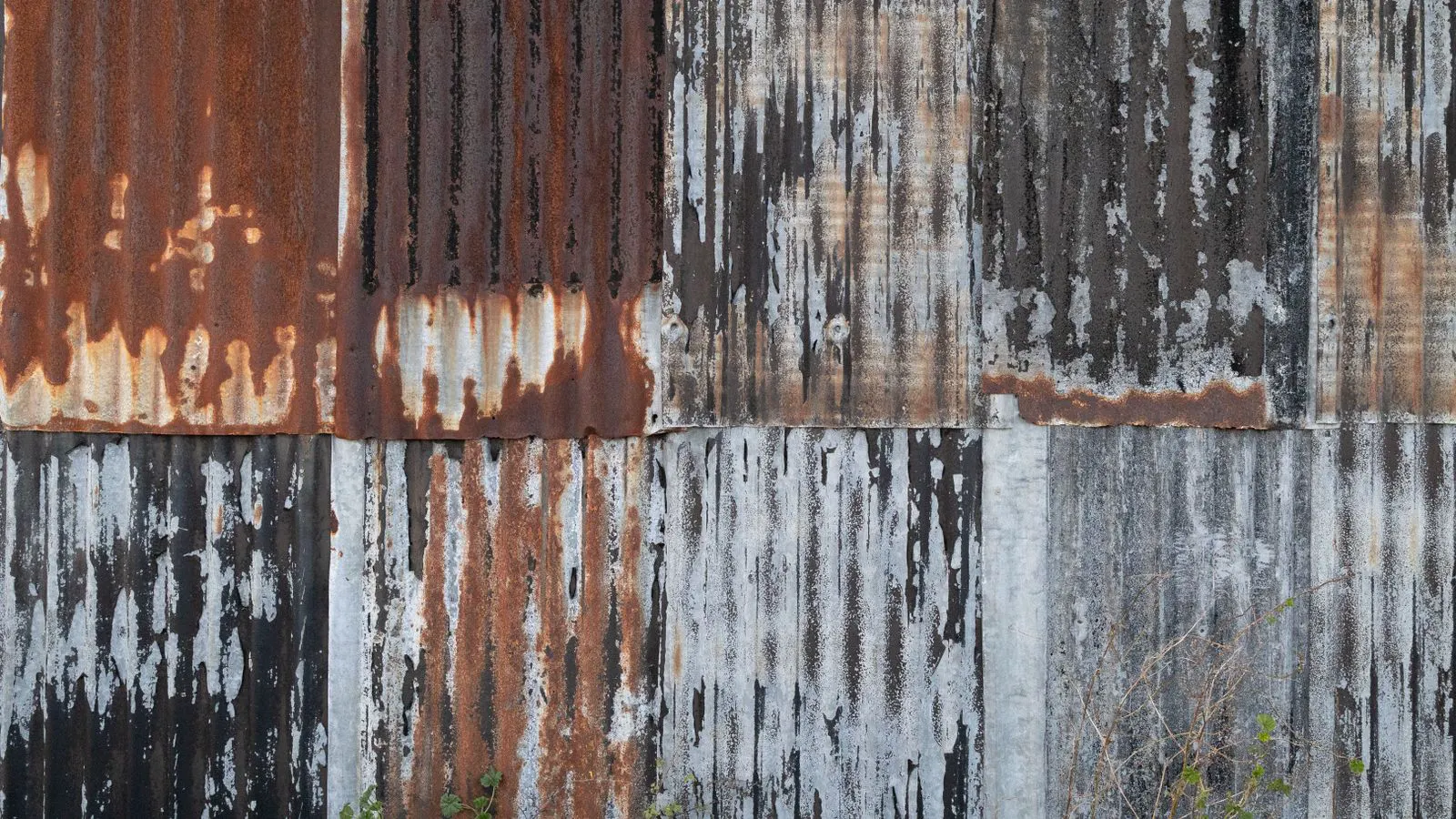
Galvanized rust usually appears where zinc coating is damaged or when parts sit in corrosive environments. This guide covers common symptoms, likely causes, and fixes to protect sheet metal during fabrication and use.
- Check for white rust before shipping, as it can darken and spread if exposed to moisture.
- Repair damaged zinc coating with touch-up paint or recoating before parts enter service.
- Avoid abrasive handling and sharp edges that breach the protective layer.
- Use corrosion inhibitors and proper packaging to delay rust formation during storage.
- Select the right coating system for the part's environment, not just cost.
Why galvanized rust shows up faster than expected
White rust and brown rust both start small. A spot on a flange, a streak along a weld seam, or a ring around a bolt hole can turn a finished part into a scrap risk. The zinc layer on galvanized sheet metal protects the base steel, but it is not indestructible. It wears, chips, and dissolves when the environment is aggressive.
Most rust problems on galvanized parts trace back to three things. First, the coating is thinner than needed for the application. Second, the part is handled with abrasive tools or stored in wet conditions. Third, the steel was not prepared properly before zinc was applied, leaving contaminants that undermine the bond.
Common rust symptoms and what they indicate
The table below lists the most frequent issues seen in fabrication shops and on the job site. Each symptom points to a different root cause, so matching the right fix matters.
| Symptom | Likely cause | What to do |
|---|---|---|
| White chalky residue on surfaces | Zinc oxide forming from moisture exposure before the coating stabilizes | Wipe dry, apply a light zinc-rich primer or touch-up paint, and store in a dry area |
| Brown spots around cut or drilled edges | Bare steel exposed by machining without zinc coverage | Clean the area, apply zinc-rich paint or a compatible touch-up coat, and seal the edges |
| Pitting on flat panels after storage | Condensation inside packaging or exposure to high humidity | Inspect for hidden moisture, dry the part, and repack with desiccants or vapor barrier paper |
| Rust streaks running from welds | Flux residue or heat discoloration leaving the steel vulnerable | Remove flux with a neutralizing solution, sandblast or abrasive clean the area, and recoat with zinc paint |
| Blistering on painted surfaces over galvanized steel | Trapped moisture or poor adhesion under the topcoat | Strip the blistered area, clean with a zinc etch or primer, and repaint with a corrosion-resistant system |
| Uniform thinning of the coating over time | Normal zinc consumption in humid or salt-laden environments | Monitor thickness periodically, plan for recoating or switching to a thicker coating system |
Fixing rust on parts that have already failed
If rust is already visible, the first step is to identify how deep the damage goes. Surface rust on a flat panel is easy. Rust that has eaten into a thin gauge or a formed corner is harder.
For minor surface rust, use a fine abrasive pad or sandpaper to remove the loose material. Do not use a wire wheel on thin gauge, as it can tear the remaining zinc. Wipe the area with a solvent to remove dust and oils. Apply a zinc-rich primer or touch-up paint that matches the existing finish. Let it cure fully before handling.
For deeper corrosion, remove the rust down to bare metal. Grind or sand the area until you see clean steel. Apply a high-build primer designed for steel, followed by a topcoat. If the part is structural or safety-critical, consider whether the coating can restore the original strength and appearance. Sometimes the cleanest option is to replace the part rather than rebuild a compromised surface.
Preventing rust during fabrication
Fabrication is where most preventable rust starts. Every cut, hole, and bend creates a new edge that needs protection. Hot dip galvanizing is applied before many operations, but it is not always. If you are working with pre-galvanized sheet, the edges from laser cutting, plasma, or shearing are bare steel.
Before cutting, check the zinc thickness. Thin coatings are more likely to fail after machining. If you are cutting pre-galvanized sheet, use a sharp tool and a clean cutting path. Dull blades tear the coating, leaving rough, unprotected edges. Laser cutting is gentle on the coating, but the heat-affected zone can still discolor the surface. Plasma cutting leaves a larger damaged area and often requires a cleaning step.
After cutting, inspect the edges. If the zinc is chipped, apply a zinc-rich paint or a zinc spool coating to the exposed steel. Do not leave bare edges to dry in the shop. Moisture in the air will start corrosion within hours.
Bending and forming also damage the coating. The inside of a bend is compressed, while the outside is stretched. If the bend radius is too tight, the zinc on the outside can crack. Use a larger bend radius where possible, or add a sacrificial layer of paint before forming. After forming, check for cracks in the zinc. Touch up any visible cracks with zinc paint.
Welding on galvanized steel produces zinc fumes, which are hazardous. The heat also burns off the zinc near the weld. After welding, clean the flux and discoloration, then apply a zinc-rich primer or paint to the weld area and surrounding zone. Do not skip the cleaning step, as flux residue traps moisture and accelerates corrosion.
Storage and packaging to delay corrosion
Storage is the second biggest cause of rust. Even a well-finished part will rust if it sits in a wet, enclosed space.
Use vapor barrier paper or plastic between stacked parts. Do not stack bare galvanized panels directly on each other. The contact points will bond and trap moisture. Place desiccant packs in the packaging if the parts will be stored for weeks or months. Check the packaging before loading onto a truck. If the interior is damp, dry it out first.
Avoid outdoor storage unless the parts are under a roof with good drainage. Rainwater is acidic and contains dissolved salts that attack zinc. If outdoor storage is unavoidable, use a cover and elevate the parts off the ground.
During transport, secure the load so parts do not shift and scrape against each other. Use corner protectors and edge guards. A single scrape can expose a long line of bare steel.
Choosing the right protection for the part
Not every part needs the same level of protection. A structural bracket that will sit indoors for ten years does not need the same treatment as a panel that will sit outdoors in a coastal city.
Match the coating to the environment. For indoor dry environments, a thin zinc layer and a regular primer may be enough. For humid or outdoor use, consider a thicker zinc coating, a powder coat over zinc, or a different material entirely. If the part will be exposed to salt spray, acid, or chemicals, galvanizing alone may not be sufficient. A barrier coating over the zinc extends the life of the part.
When selecting materials, look at the whole life cycle. A cheaper sheet with a thin coating may cost more over time if it requires frequent recoating or replacement. A more expensive coating system may save money in the long run. Factor in the service life, the exposure, and the maintenance access.
When to escalate to a full recoat or replacement
Sometimes the part is beyond a spot fix. If the rust has spread across a large area, or if the coating has failed in multiple spots, spot repairs will not hold. The underlying steel may already be thin, and the part may not perform as designed.
Evaluate the part’s function. If it is a cosmetic panel, a full recoat may be acceptable. If it is a structural or safety-critical component, consider whether the integrity is compromised. In those cases, replacement is often the safer and more cost-effective option.
Keep records of the failure. Note the conditions, the location of the rust, and the repair or replacement decision. This data helps you identify patterns and adjust your process for the next batch.
Quick checklist for rust prevention
- Inspect every cut, hole, and bend for exposed steel.
- Touch up damaged zinc with a compatible paint or coating.
- Avoid abrasive handling and sharp edges that breach the layer.
- Store parts with vapor barrier paper and desiccants.
- Recoat weld areas and flux residue after every weld.
- Match the coating system to the service environment.
- Document failures and adjust the process accordingly.
Frequently asked questions
Can I paint over white rust on galvanized steel?
Only after removing the loose white rust and cleaning the area. Apply a zinc-rich primer or touch-up paint to the exposed steel first, then use a compatible topcoat.
Does laser cutting damage the zinc coating?
Laser cutting is gentle, but the heat can discolor the surface near the cut. The zinc usually remains intact, but inspect the edge for any discoloration or thinning.
Is white rust dangerous?
It is a form of zinc oxide, not steel rust. It is not structurally harmful, but it indicates moisture exposure and can darken or spread if left untreated.
Can I use any touch-up paint on galvanized parts?
No. Use a zinc-rich paint or a primer designed for galvanized steel. A standard enamel or acrylic paint may not bond properly and can trap moisture.
How long does a galvanized coating last?
It depends on the thickness, the environment, and the level of mechanical wear. Indoor parts may last decades. Outdoor or coastal parts may need recoating every few years.