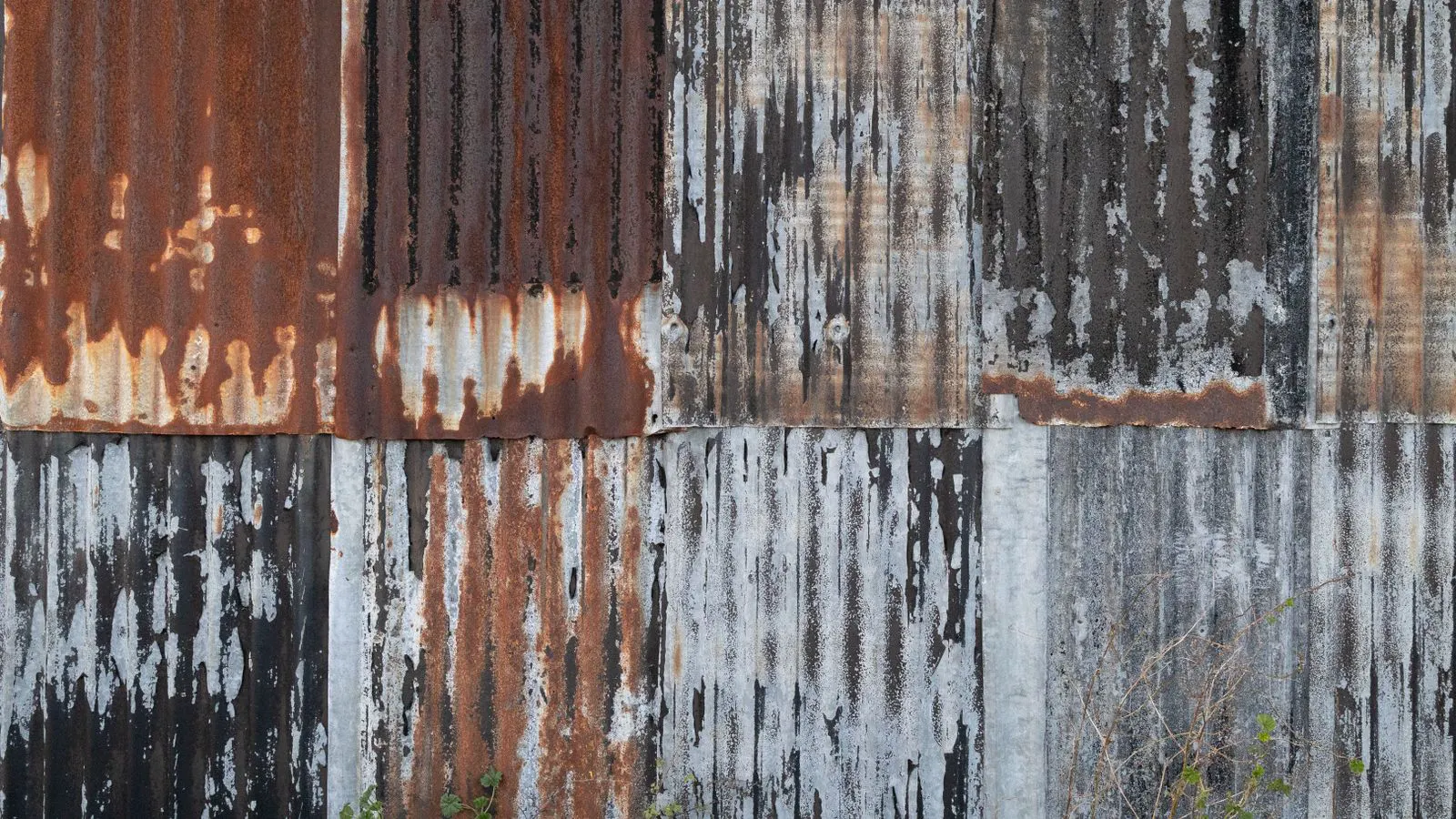
Galvanized sheet offers a lower upfront cost with adequate protection for indoor and light outdoor use. Stainless steel sheet provides superior long term durability and corrosion resistance. The choice depends on the service environment, design constraints, and total lifecycle cost rather than initial material price alone.
- Galvanized sheet costs less than stainless steel sheet but requires periodic maintenance in harsh environments.
- Stainless steel sheet offers superior corrosion resistance and a longer service life in aggressive settings.
- Total cost of ownership must weigh material price, coating thickness, design details, and expected lifespan.
- Selection decisions should consider the specific service environment rather than generic material labels.
- Proper surface preparation and finish compatibility are critical for long term performance.
What defines the difference between these two sheet metals
Galvanized sheet is steel coated with a layer of zinc to resist corrosion. Stainless steel sheet is an alloy containing enough chromium to form a passive oxide layer that protects the surface. These two materials serve different roles in fabrication. One is a cost effective protection system over carbon steel. The other is a structural alloy designed to resist corrosion inherently.
The selection between them is not a matter of which material is simply better. It is a matter of fit. The environment, the part function, the maintenance plan, and the budget all shape the decision. A bracket for an indoor machinery frame and a cladding panel for a coastal building face completely different corrosion challenges. The right answer differs for each.
When sourcing from suppliers, the material designation changes the conversation. Galvanized sheet is usually specified by zinc coating weight. Stainless sheet is specified by alloy grade and finish. These specifications drive pricing, lead times, and quality checks. Understanding these parameters helps buyers avoid expensive rework or premature failure.
How corrosion performance actually works in practice
Zinc protection on galvanized sheet works through a sacrificial mechanism. If the coating is scratched or damaged, the zinc corrodes first to protect the underlying steel. This provides good initial protection but degrades over time. The rate of loss depends on humidity, salt exposure, chemical contact, and whether the part is painted.
Stainless steel protection works differently. The chromium in the alloy reacts with oxygen to form a thin, invisible, self repairing oxide film. If this film is damaged, the alloy reforms it in the presence of oxygen. This mechanism is stable in dry and indoor environments. It also performs well in many wet conditions, but performance varies significantly by alloy grade.
A common mistake is assuming all stainless is the same. Different grades offer different levels of resistance. Some are suited for general purpose use. Others are required for marine or chemical environments. The alloy grade must match the service conditions. A generic stainless specification may be insufficient for a coastal application.
Cost factors beyond the raw material price
The price of galvanized sheet is generally lower than stainless steel sheet. This is the most obvious factor in many sourcing decisions. However, material price is only part of the equation. The cost of the coating system, the fabrication complexity, and the maintenance plan all influence the total.
For galvanized sheet, the zinc coating thickness affects both price and performance. Thicker coatings cost more but last longer. Thin coatings may be sufficient for indoor parts but will fail quickly outdoors. The cost of a thin coating on a harsh application is often higher than a thick coating on a mild application because of replacement cycles.
Stainless steel costs more per unit area. The price difference can be significant. However, the life of the part may be much longer. If a stainless panel lasts three times as long as a galvanized panel in the same environment, the annualized cost may be competitive. This requires a simple calculation based on expected service life and replacement frequency.
Design and fabrication considerations that affect selection
The shape of the part matters as much as the material. Sharp corners, crevices, and trapped water areas accelerate corrosion. These features are common in welded assemblies and formed parts. Galvanized sheet can perform well on simple flat panels but may struggle in complex geometries where zinc is consumed faster at edges.
Stainless steel is more tolerant of design complexity. It resists pitting and crevice corrosion better than zinc, especially when the alloy grade is appropriate. However, welding stainless can introduce sensitization if not handled correctly. The heat treatment and post weld cleaning affect the corrosion resistance of the finished part.
Surface finish also plays a role. Galvanized sheet is often painted after fabrication. The quality of the paint system and the surface preparation determine the final protection. Stainless sheet can be left bare or polished. The finish affects both appearance and maintenance. A brushed finish may show water spots but is easy to clean. A polished finish reflects light and may require more frequent cleaning to maintain its look.
Worked example: Selecting a material for a specific application
Consider a fabrication project for a series of outdoor enclosures. These enclosures house electrical equipment and are exposed to rain, humidity, and occasional road salt. The parts are formed from flat sheet and then welded into frames. The design includes several sharp internal corners and a flat top surface where water may pond.
The buyer first evaluates the environment. The salt exposure is moderate but present. The humidity is high in winter months. The enclosures are located near a major road. The service life target is ten years with minimal maintenance.
The galvanized option requires a thick zinc coating to survive the salt and humidity. A standard thin coating would likely fail within a few years, requiring repainting or replacement. The cost of the thick coating plus the paint system plus the future maintenance may approach the cost of stainless.
The stainless option requires a grade with good resistance to chloride attack. A generic grade may pit over time. Selecting a higher grade increases the material cost but reduces the risk of premature failure. The fabrication process must include proper cleaning after welding to restore the passive layer.
In this scenario, the stainless sheet may be the better choice despite the higher material cost. The total cost over ten years, including maintenance and replacement risk, may favor the alloy. The decision is driven by the specific environment and the desired service life, not by the price per square meter alone.
Common sourcing and quality control issues
Suppliers can offer both materials, but the specifications must be clear. For galvanized sheet, the buyer should specify the coating type and weight range. Hot dip galvanized and electro galvanized have different thicknesses and costs. The coating method affects the price and the performance.
For stainless sheet, the alloy grade and finish are the critical parameters. The buyer should request a mill certificate to verify the grade. This document confirms the chemical composition and the heat number. It is a standard practice in professional procurement.
Quality control checks should include visual inspection for coating defects and finish quality. Galvanized sheet should be checked for pinholes or uneven coating. Stainless sheet should be checked for surface contamination that could lead to staining or pitting. A simple visual check before fabrication can prevent issues that are expensive to fix later.
When one material clearly outperforms the other
Galvanized sheet is the better choice for indoor applications where corrosion is a minor concern. It is also suitable for temporary structures or parts that will be painted and protected. The lower cost makes it attractive for high volume production where the service life is short.
Stainless steel sheet is the better choice for harsh outdoor environments, food processing, medical equipment, and architectural applications. It offers a clean appearance without a paint system. It requires less maintenance and has a longer service life. The higher cost is justified by the performance and the reduced maintenance burden.
There are also cases where neither material is ideal. Some applications require other alloys or coatings. The decision should always be based on the specific requirements. A simple comparison of price and corrosion resistance is not enough. The full context of the project must be considered.
Final thoughts on making the selection
Selecting between galvanized sheet and stainless steel sheet requires a clear understanding of the service environment and the expected service life. The material choice affects cost, performance, and maintenance. It also affects the fabrication process and the quality checks required.
Buyers should avoid making decisions based on price alone. They should also avoid assuming that a generic specification will meet all conditions. The specifics of the application must be defined. The supplier should be asked to confirm the coating thickness for galvanized sheet or the alloy grade for stainless sheet.
The goal is to select a material that performs reliably over the intended life. This reduces the risk of failure and the cost of replacement. A well made selection saves money in the long run. It also improves the reputation of the finished product. The best material is the one that fits the job.
Frequently asked questions
Can galvanized sheet be painted over to improve corrosion resistance?
Yes, galvanized sheet is commonly painted to extend its life. The surface must be prepared properly to ensure the paint adheres well and does not trap moisture.
Is stainless steel sheet always more expensive than galvanized sheet?
Yes, stainless steel sheet generally costs more per unit area than galvanized sheet. However, the total cost over the life of the part may be lower for stainless in harsh environments.
What is the main difference in how the two materials resist corrosion?
Galvanized sheet uses a zinc coating that sacrifices itself to protect the steel. Stainless steel uses an alloy that forms a self repairing oxide layer to resist corrosion.
Do I need a mill certificate for stainless steel sheet?
Yes, a mill certificate is recommended to verify the alloy grade and chemical composition. This document is standard in professional procurement and helps ensure the material meets the required specifications.
Can I use galvanized sheet for a coastal application?
Galvanized sheet can be used in coastal areas but requires a thick coating and a good paint system. The salt exposure will accelerate the loss of zinc, so the coating must be selected carefully.