
Materials & Finishes
Explainer: What Is Sheet Metal Surface Finishing?
Sheet metal surface finishing is the process of protecting, decorating, or preparing metal surfaces. It changes the material's appearance, corrosion resistance, and

Understand common sheet metals and surface finishes to choose the right material for durability and appearance.
Sheet metal surface finishing is the process of protecting, decorating, or preparing metal surfaces. It changes the material's appearance, corrosion resistance, and
Buyers should track shifts toward corrosion-resistant coatings, sustainable finishing processes, and digital inspection methods. These changes affect material selection

Select a surface finish based on corrosion resistance, maintenance needs, and budget. Evaluate stainless steel grades, coating types, and environmental exposure to

Powder coating offers a durable, uniform surface finish when applied correctly. Durability depends on film thickness, curing temperature, and surface preparation.
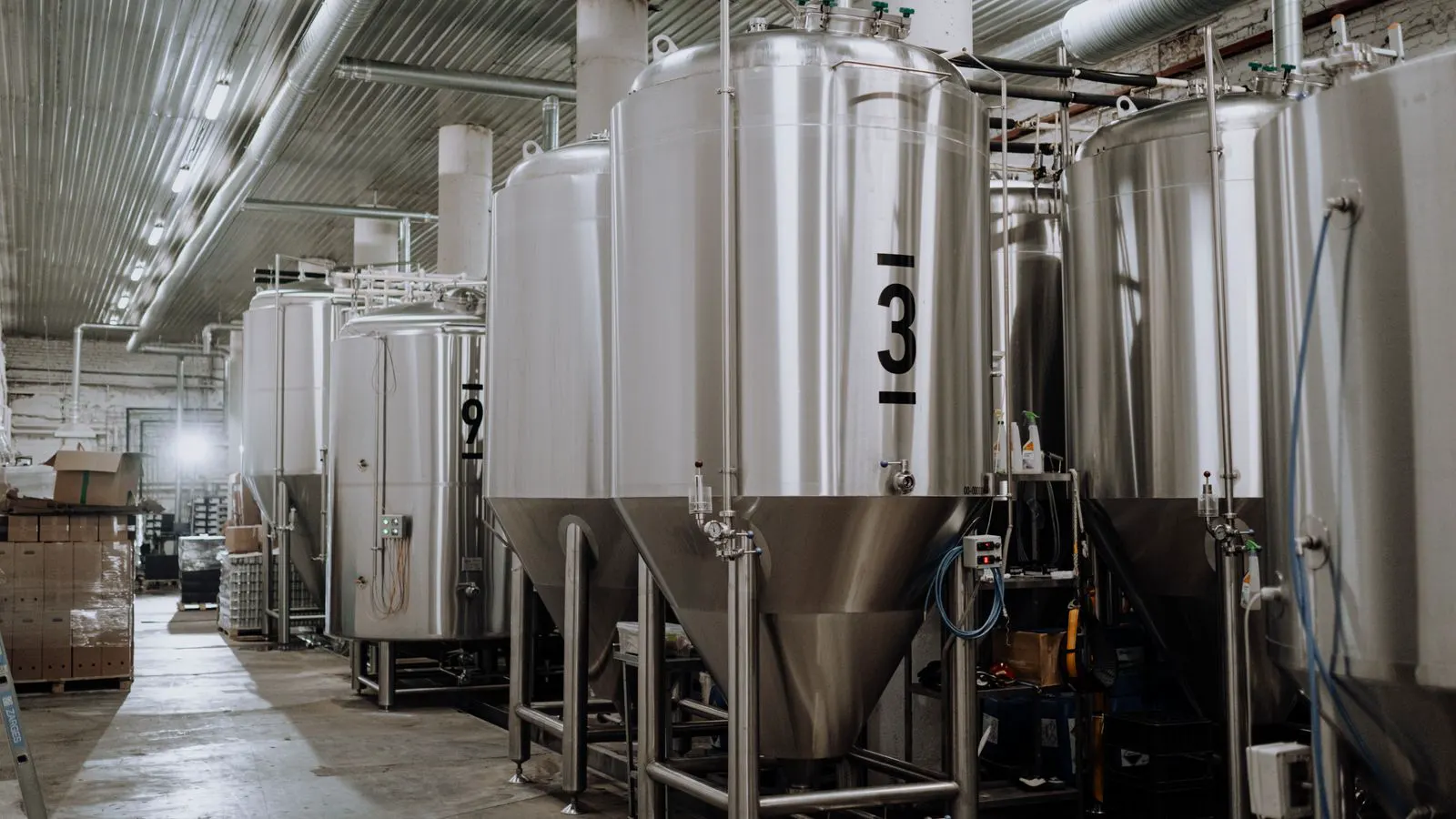
For general indoor use and mild exposure, 304 stainless sheet is the cost-effective standard. For coastal, chemical, or high-chloride environments, 316 is the standard
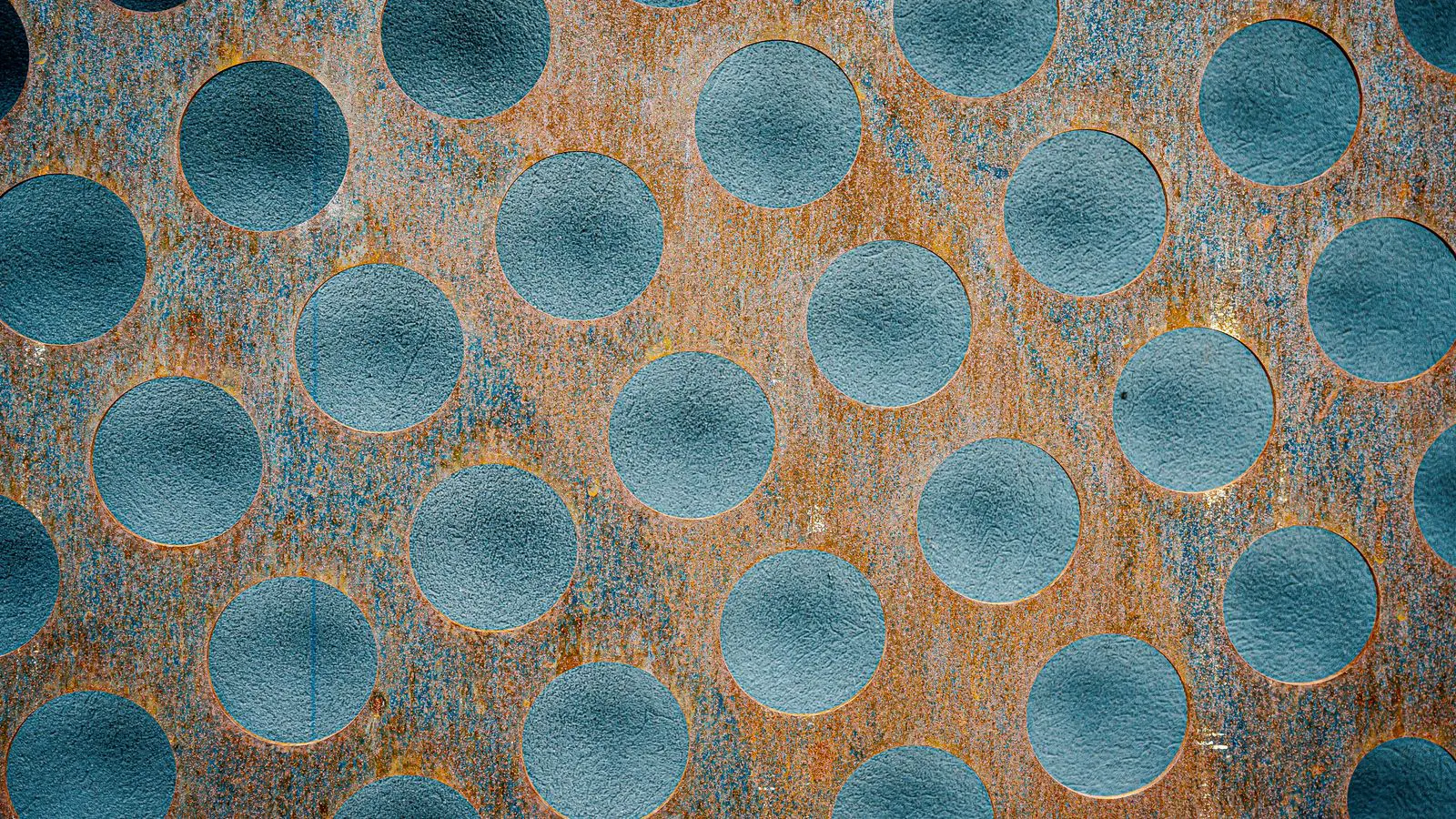
Zinc plating offers thin, galvanic corrosion protection for structural steel, while powder coating provides thicker, durable color finishes. The choice depends on

Match stainless steel grades to environmental stress, load, and finish needs. Use this buyers guide to compare common alloys like 304, 316, 430, and 409, then verify

A sheet metal finish checklist helps buyers verify surface treatments, coating integrity, and visual consistency. It covers corrosion resistance, edge preparation
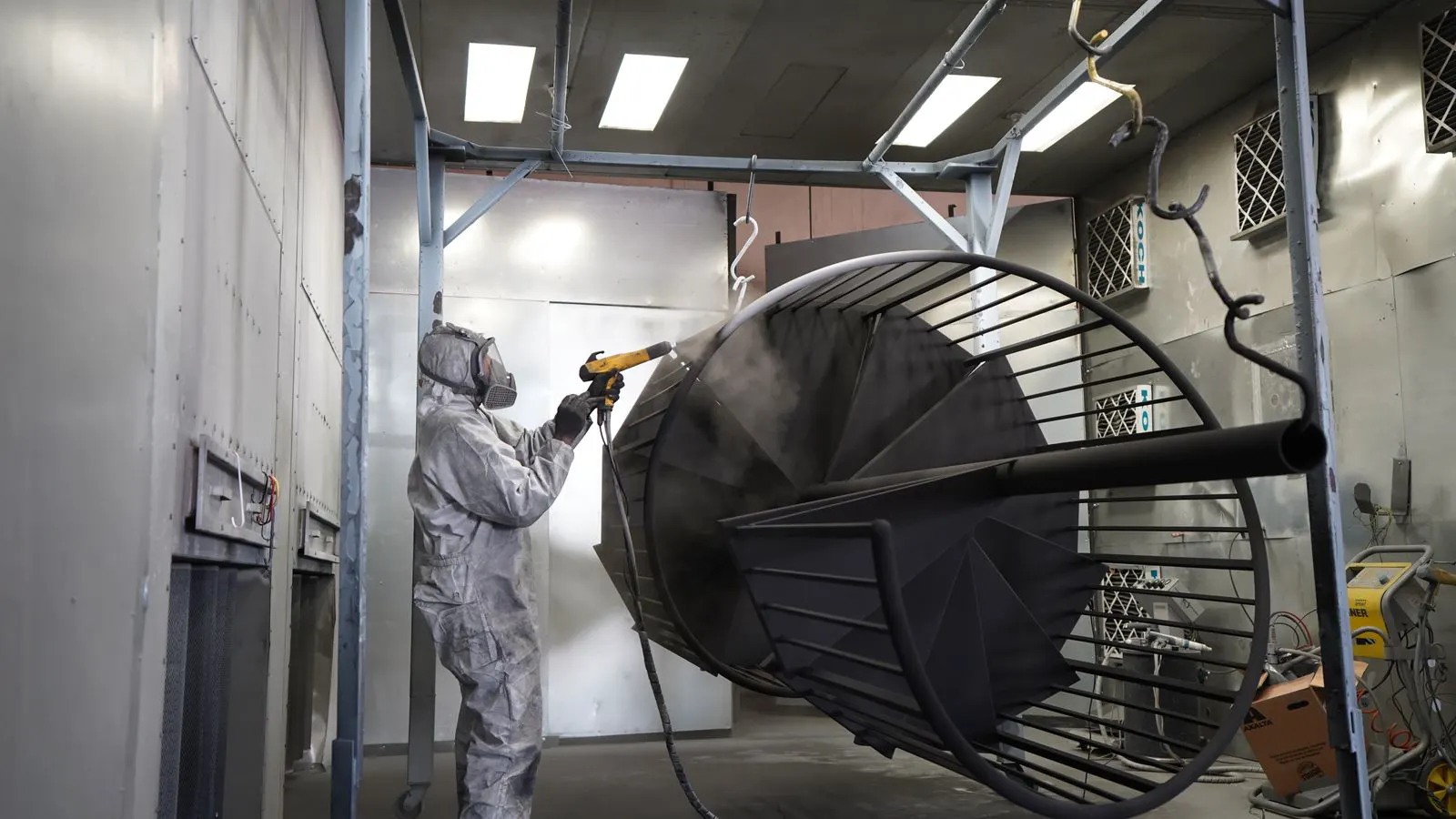
Powder coating peeling troubleshooting starts with inspecting the substrate and cure process. Common root causes include inadequate cleaning, improper baking, and
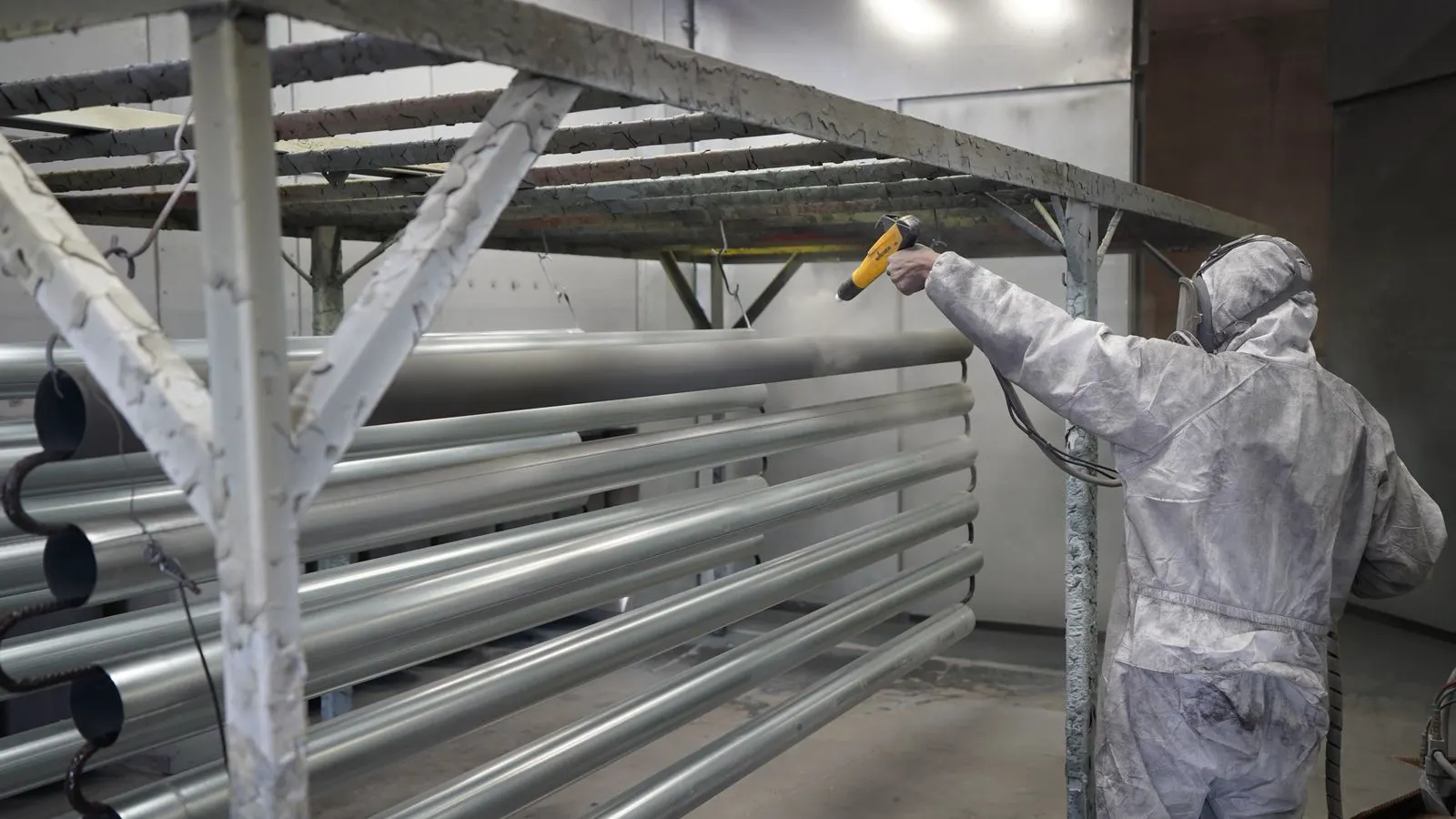
Proper stainless steel powder coating prep requires thorough degreasing, mechanical or chemical etching, and passivation. Skipping these steps causes poor adhesion and
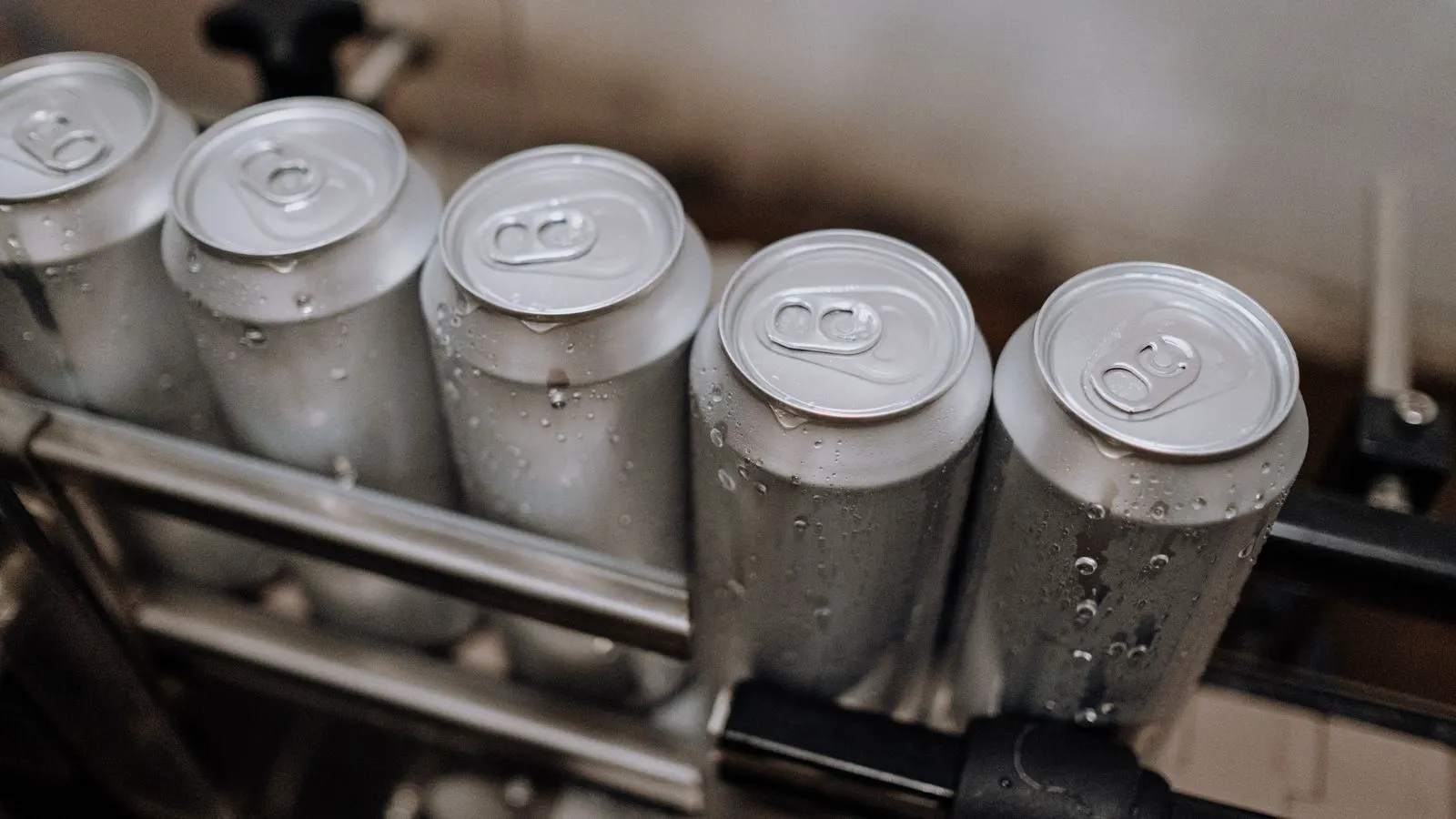
The high-strength aluminum outlook suggests a shift toward higher-grade alloys that offer better weight-to-strength ratios and improved formability. Buyers should plan
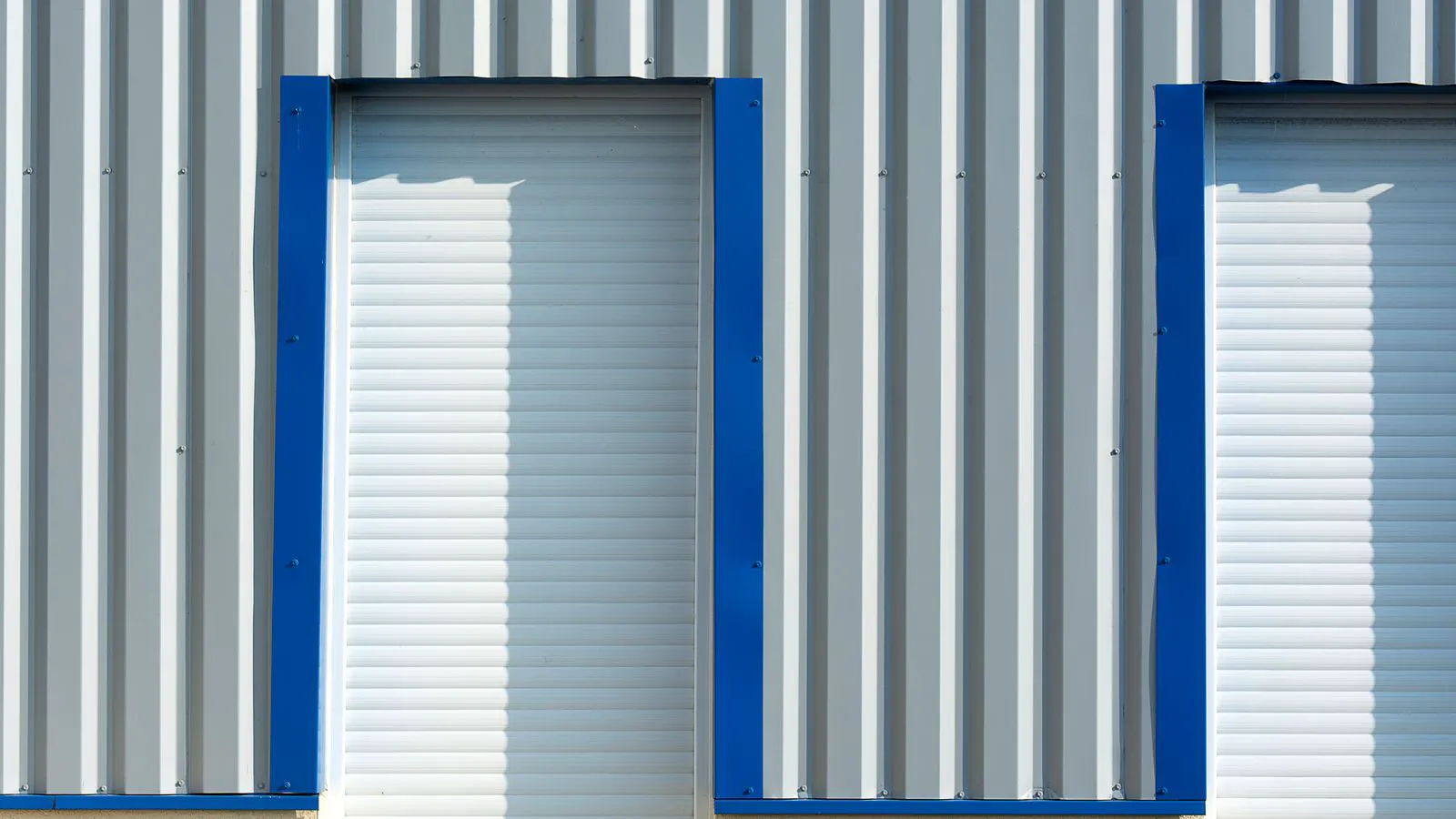
Stainless steel typically costs more than carbon steel due to alloying elements and processing. Lead times vary based on mill availability and spec complexity. To