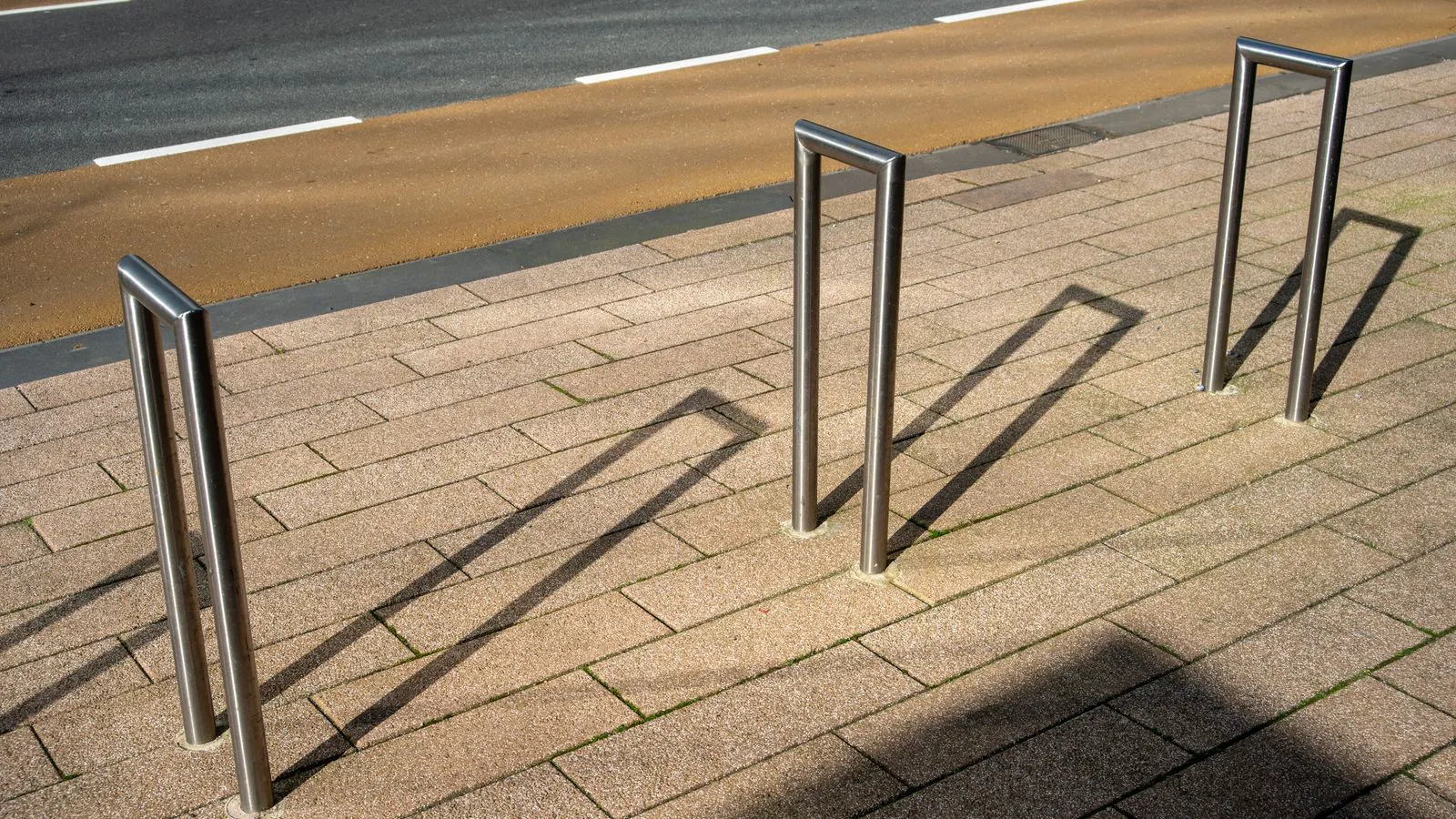
Select a surface finish based on corrosion resistance, maintenance needs, and budget. Evaluate stainless steel grades, coating types, and environmental exposure to ensure long-term performance and lower lifecycle costs.
- Match the surface finish to the exposure environment and maintenance access.
- Stainless steel offers high durability but costs more than coated carbon steel.
- Powder coating provides color and barrier protection but requires surface prep.
- Regular inspection reduces premature failure and repair costs.
- Specify finish requirements clearly in drawings to avoid field changes.
What drives the choice of surface finish?
Outdoor metal parts face a mix of UV light, rain, temperature swings, and chemical exposure. The surface finish must protect the base material and survive those cycles. It also affects cleaning, repair, and how the part fits the project’s visual identity.
Buyers often focus on initial cost. That decision usually backfires. A cheap finish that fails early creates higher replacement and downtime costs. The right surface finish balances performance, appearance, and total cost of ownership.
The choice depends on three factors. The base material, the exposure environment, and the required service life. A stainless steel bracket in a coastal area behaves differently from a painted steel panel in a mild inland climate. Each scenario calls for a different finish strategy.
Consider a pedestrian bridge railing. The steel posts are buried in concrete near the ground, where moisture and soil chemicals sit. The top rail is exposed to rain and sun. If the same finish runs across both sections, the top may fade while the bottom rusts. A good specification addresses each zone. The top might need a UV-stable powder coat. The bottom might need a thicker galvanic layer or a stainless steel sleeve. This level of detail prevents localized failure that undermines the whole assembly.
Another common error is assuming the manufacturer’s default finish will last. A generic zinc finish on a thin gauge sign panel may look fine for a year, then blanch in humid air. A thick powder coat on the same panel with a proper primer underlayer will hold up far longer. The difference is not just thickness. It is the system. Primer, topcoat, and cure temperature all work together.
When you specify a finish, you are defining how the part will age. You are not just choosing a color. You are choosing a maintenance schedule and a failure mode. A brushed stainless finish hides minor scratches but shows water spots. A matte black powder coat hides dust but reveals edge wear. Understanding these trade-offs early saves headaches during inspection.
How does stainless steel compare to coated carbon steel?
Stainless steel is a common choice for outdoor applications. It resists corrosion through its chromium oxide layer. The grade of stainless steel matters. 304 grade handles general outdoor use well. 316 grade adds molybdenum, which improves resistance to chlorides and salt air.
Carbon steel with a surface finish can match or exceed stainless steel performance if the coating is thick and well applied. Zinc plating offers a sacrificial layer that protects the steel. Powder coating adds a thicker barrier and color options. Hot-dip galvanizing provides heavy protection for high-stress or harsh environments.
The trade-off is cost and appearance. Stainless steel has a clean, metallic look without paint. Coated steel can offer any color and pattern. If the part is visible, a powder-coated finish often wins. If the part is structural and hidden, a zinc or galvanized finish may be cheaper and more durable.
Stainless steel requires less maintenance over time. It does not need touch-up paint. It does not chip. However, it is sensitive to galvanic corrosion when bonded to dissimilar metals. If you weld a 316 bracket to a carbon steel frame without an isolation layer, rust can form at the joint. This is a design error, not a finish error. The finish cannot fix a galvanic couple.
Coated carbon steel has a different failure profile. The coating is a barrier. Once it breaks, the steel underneath is exposed. A small scratch at a weld bead or a drill hole can start a rust spot. The surrounding area may remain intact, but the damage spreads from that single point. This is why edge preparation is critical. Sharp edges on a cut panel concentrate stress. A rounded edge or a deburred surface helps the coating adhere better and last longer.
For buyers, the decision starts with the base material. If the design allows, stainless steel reduces long-term maintenance. If budget is tight, a well-prepared coated steel part can perform well for years. Look at the part’s location. Is it in a shadowed area? Is it under a roof? If the exposure is low, a simple zinc finish or a thin paint layer may be sufficient. If the part is on the exterior of a commercial building, invest in a thicker system. The cost difference between a standard powder coat and a multi-layer system is small compared to the cost of replacing a façade panel that failed after five years.
What criteria matter when comparing finishes?
Use a clear set of criteria to compare options. The table below lists the key factors and how to evaluate them.
| Criterion | What to look for | Why it matters |
|---|---|---|
| Corrosion resistance | Grade of stainless steel, coating thickness, galvanic compatibility | Determines how long the finish survives exposure |
| Maintenance access | Ease of cleaning, inspection, and touch-up | Reduces downtime and repair costs |
| Aesthetic value | Color match, texture, metallic or painted look | Affects brand presentation and customer perception |
| Environmental load | UV stability, chemical exposure, temperature range | Prevents fading, chipping, or chemical attack |
| Lifecycle cost | Initial price, repair frequency, replacement interval | Reflects true project cost over the service life |
Corrosion resistance is the baseline. A finish that fails in five years is not a low-cost option if it causes safety issues. Maintenance access is often overlooked. A high-end finish on a part that cannot be cleaned or repaired will age quickly.
Consider a ventilation unit on a warehouse roof. The unit is painted a bright blue. It looks great during the first year. But the maintenance crew has to climb a ladder to clean it. The paint is a smooth, glossy finish. Water runs off quickly. But when they do clean it, the ladder feet leave marks. If the unit sits in a high-traffic area, those marks are visible. A matte finish hides those marks better. A finish with a textured surface may be harder to clean but shows less wear. The choice of finish should align with how the part will actually be maintained.
Aesthetic value matters in public spaces. A faded or chipped finish damages the project’s appearance. Environmental load includes UV light, salt, and industrial chemicals. Each stressor demands a specific finish response.
Do not ignore the substrate. A perfect coating on a poorly prepared surface will peel. The steel must be clean, dry, and free of mill scale. For stainless steel, the surface must be free of iron contamination, often called “flash rust.” This happens when steel mill scale is left on the surface and reacts with oxygen. A clean, degreased surface is the foundation of any finish.
How do powder coating and zinc plating differ?
Powder coating is a dry process. A powder is applied to the part, then melted into a solid film. It provides color and a thick protective layer. The finish is hard and resistant to abrasion. It also holds color well under UV exposure if the powder formulation is stable.
Zinc plating is an electrochemical process. It deposits a thin zinc layer on the steel. The zinc corrodes before the steel does. This sacrificial action gives the underlying metal extra protection. It is common on fasteners, structural frames, and utility parts.
The two finishes serve different roles. Powder coating is a barrier. Zinc plating is a sacrificial shield. Powder coating offers more color choice. Zinc plating is often cheaper for large structural parts.
Powder coating thickness is measured in microns. A typical finish ranges from 60 to 120 microns. Thicker coats are better for abrasive environments, such as parking structures or industrial floors. However, very thick coats can crack if the part is subjected to high stress. The powder must be formulated for the specific application. A standard architectural powder coat is not ideal for a part that will be bent or twisted during installation.
Zinc plating thickness varies widely. A thin dip in a galvanizing bath might deposit 5 to 15 microns. A thicker dip can reach 100 microns or more. The thickness depends on the bath chemistry and the dipping time. Hot-dip galvanizing, which involves dipping the part in molten zinc, produces a much thicker layer, often over 60 microns. This is heavier and more durable than electroplating. The coating also has a spangled texture, which is difficult to paint over unless properly prepared.
A hybrid approach works well. Some projects use zinc plating as a base, then add a powder coat on top. This combination boosts corrosion resistance and appearance. The downside is higher processing cost. It also requires careful surface prep to avoid adhesion issues.
When you use a hybrid system, the zinc layer must be clean and slightly roughened before the powder is applied. If the zinc is too smooth, the powder will not bond. If it is too rough, the powder may not flow evenly. The process requires control. A skilled shop will manage this. A less experienced shop may produce a finish that looks good but peels after a few years. Ask for samples. Request a cross-section cut of the hybrid finish to verify the layers are bonded properly.
What role does environmental exposure play?
Exposure conditions change the finish requirements. Coastal areas bring salt spray and high humidity. Urban areas add industrial pollutants and temperature fluctuations. Rural areas may face UV and agricultural chemicals.
Salt air is the toughest environment. It attacks any surface finish. Stainless steel 316 performs better than 304 in these zones. Coated steel needs a thicker protective layer and better edge protection. Galvanizing helps, but the finish still needs regular inspection.
Consider a sign on a highway near the coast. The sign is exposed to salt-laden wind. The letters are made of aluminum, which is naturally corrosion-resistant. However, the mounting posts are carbon steel. If the posts are only painted, the paint will fail at the base, where saltwater pools. A galvanize finish is better. It provides sacrificial protection even if the zinc wears down. If the sign is in a high-traffic area, a powder coat over the galvanize adds color and hides the zinc texture.
UV light fades pigments and softens some coatings. A powder coat with UV-stable additives holds color longer. Stainless steel does not fade, but it can stain with salt deposits. Regular rinsing or cleaning keeps the metal bright.
Temperature extremes cause expansion and contraction. This stresses coating edges and fastener holes. Cracks at these points let moisture in. Design details matter. Rounded corners and proper fastener spacing reduce stress points.
In cold climates, freeze-thaw cycles are a major stressor. Water gets into small cracks, freezes, and expands. This pushes the crack wider. Over time, the coating breaks down. A flexible coating system handles these cycles better than a hard, brittle one. Epoxy primers are often used under powder coats because they are flexible and adhere well to steel. They help the system handle temperature changes without cracking.
Chemical exposure is another factor. Agricultural areas may have ammonia or pesticides in the air. Industrial areas may have sulfur dioxide or acid rain. These chemicals attack the finish. A standard powder coat may not be resistant to acids. If the part is near a chemical plant or a waste facility, specify a chemically resistant coating. The supplier should provide a list of chemicals the finish can withstand.
How should you specify and verify the finish?
Clear specifications prevent field changes and disputes. The drawing or spec should name the finish, the standard, and the performance requirements. It should state the coating type, thickness, and color. For stainless steel, specify the grade. For coatings, specify the substrate prep and cure method.
Verification happens in three stages. Pre-production, production, and post-installation. Pre-production checks confirm the material grade and coating chemistry. Production checks measure coating thickness and adhesion. Post-installation checks verify appearance and function.
When you write a spec, be precise. Do not say “powder coat, RAL 5003.” Say “powder coat, RAL 5003, 100 microns minimum, cured to 400 degrees Fahrenheit.” This level of detail removes ambiguity. It gives the shop a clear target. It also gives the inspector a way to measure compliance.
Test coupons are critical. These small sample parts go through the full process. They show the real finish quality. They also provide a reference for future batches. The coupon should be made from the same material as the production parts. It should go through the same cleaning, plating, and coating steps. If the coupon looks good, the production parts should look good. If the coupon fails, the production run should stop.
Keep records. Store test reports, material certificates, and inspection photos. These documents help trace issues and support warranty claims. They also guide future projects. A material certificate confirms the steel grade. An inspection photo shows the finish before installation. If a problem appears three years later, you can compare the new condition to the original records. This helps determine if the failure was due to the finish or due to environmental damage.
During production, ask the shop to measure coating thickness at random points. Do not just check the center. Edges and corners are where the coating is thinnest. A dip meter or a magnetic gauge can measure the thickness. The reading should be above the minimum specified. If it is below, the part should be rejected or recoated.
What maintenance extends the finish life?
No surface finish is permanent. Outdoor parts need care. A simple maintenance plan extends service life and protects the investment.
- Clean the part regularly with mild soap and water. Remove salt, dust, and debris.
- Inspect edges and fastener points for chipping or rust.
- Touch up small damage with matching paint or coating.
- Replace damaged parts before corrosion spreads.
- Monitor high-stress areas after the first winter.
Cleaning is the most impactful task. Dirt and salt trap moisture against the finish. Removing them slows degradation. Touch-up work is cheap compared to replacement. A small scratch left untreated can become a rust spot.
Use a soft brush or a low-pressure washer for cleaning. High-pressure water can force moisture into joints and under the coating. It can also damage the finish if the pressure is too high. A gentle wash is sufficient for most outdoor parts. If the part is in a salt environment, rinse it after heavy rain. Salt residue is corrosive. It will eat into the finish if left there.
Inspection should be done with a flashlight. Look for white spots on stainless steel. These are salt deposits. Wipe them off. Look for orange rust on coated steel. This is a sign that the coating has failed. If the rust is small, clean the area, prime it, and paint over it. If the rust is large, the part may need replacement.
After the first winter, check the parts again. Temperature changes can cause the coating to crack. Fastener holes are common failure points. The metal expands and contracts, and the coating may not keep up. If you see cracks, touch them up immediately. Do not wait for the next winter.
Decision checklist
Use this checklist before finalizing the surface finish.
- Identify the base material and its corrosion resistance.
- Map the exposure environment. Note salt, UV, chemicals, and temperature.
- Define the service life and maintenance access.
- Compare stainless steel, powder coating, and zinc plating options.
- Specify the finish, thickness, and performance standards.
- Require test coupons and inspection reports.
- Plan for regular cleaning and inspection.
The right surface finish protects the part and supports the project’s long-term value. It starts with the material, not just the color. It ends with a clear specification and a maintenance plan.
Frequently asked questions
Is stainless steel always better for outdoor use?
Not always. Stainless steel resists corrosion well, but it costs more. Coated carbon steel can match performance in mild environments at lower cost.
How do I know if a powder coat will fade?
Check the powder formulation for UV stability. Ask the supplier for color retention data. Use test coupons to verify performance in your environment.
Can I combine zinc plating and powder coating?
Yes. This hybrid approach adds sacrificial protection and color. It costs more but improves durability in harsh environments.
What is the best finish for coastal areas?
Stainless steel 316 or hot-dip galvanizing with a thick coating. Salt air demands high corrosion resistance and regular cleaning.
How often should I inspect outdoor metal parts?
At least once a year, or more often in harsh environments. Check edges, fasteners, and high-stress areas for damage.


