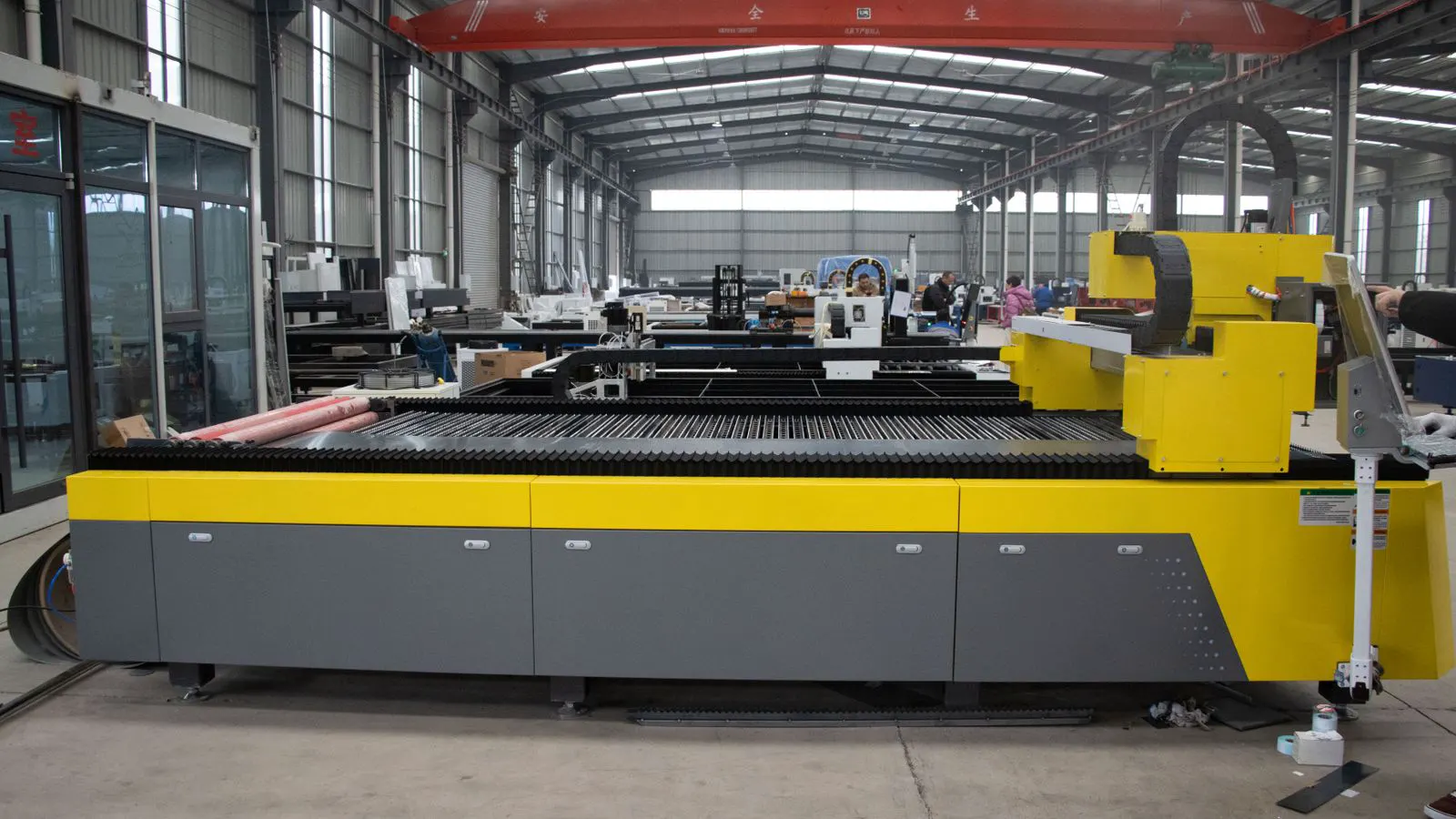
Automation changes sheet metal cost structures by reducing labor dependence and increasing throughput. Buyers should plan for higher initial machine investment, tighter tolerances, and shorter lead times. The shift favors designs that minimize manual rework and complex assembly.
- Automation shifts cost pressure from labor hours to capital equipment and maintenance.
- Buyers should design for machine capability to avoid manual rework and assembly delays.
- Lead times will shorten for standardized parts, while complex custom work may require new planning phases.
- Pricing models will likely separate setup fees from per-unit volume costs more clearly.
- Material efficiency will become a larger driver of final part pricing as automated nesting improves.
How automation changes the cost structure
Sheet metal fabrication costs have long been driven by labor hours, material waste, and machine availability. Automation changes this equation. When a laser cutter runs unattended for eight hours, the cost per part drops significantly compared to a manual plasma table operated by one technician. The machine cost is spread across more units.
Buyers often expect automation to lower prices immediately. In practice, the savings appear over time. The initial price of a new laser head or robotic arm is high. Maintenance, software licensing, and training add ongoing costs. Yet, once the line is stable, the cost per unit falls.
This shift means your quote may look different from last year. A supplier might charge a higher setup fee for programming a new job but offer a lower per-piece rate for volume runs. The labor component shrinks, but the engineering and machine time components grow.
What happens to lead times under automation
Shorter lead times are the most visible benefit. A CNC press brake can hold a tighter bend tolerance than a manual operator. A robotic welder can run while the plant sleeps. These factors reduce cycle time.
However, lead times are not just about cutting speed. They include design review, nesting, material procurement, and quality checks. Automation compresses the physical production phase. It does not eliminate the need for clear drawings or material availability.
For complex parts, automation can actually add time if the design was not optimized. A part that requires five separate fixtures may take longer on an automated line than on a flexible manual bench. The machine waits for the operator to change tooling. The operator waits for the part to cool.
Buyers should expect two distinct lead time profiles. Standardized parts will move faster. Custom, one-off parts may see longer upfront times because the machine must be programmed and verified.
The impact on labor and skill levels
Automation does not eliminate the need for skilled workers. It changes what they do. Operators become machine monitors. They load materials, check first articles, and handle exceptions. They do not cut every hole or bend every edge.
This shift affects pricing in a subtle way. The hourly rate for a machinist is high. If that person is running a robot, they are not cutting steel. The cost of that skilled labor is now attached to programming, maintenance, and quality control.
Suppliers with automated lines need to invest in these higher-skill roles. That investment appears in the quote. A supplier using a manual table may offer a lower starting price. A supplier using automation may charge more for setup but deliver a more consistent part.
For buyers, this means you are not just buying a part. You are buying the capability that produced it. The skill level of the team matters for complex geometries.
How material efficiency drives future pricing
Nesting software is a quiet driver of cost. It places multiple parts on a sheet to minimize waste. Automated cutters can cut these nested patterns with high precision. The result is less scrap and lower material cost.
When material waste drops, the supplier can pass some savings to the buyer. This is especially true for thin-gauge parts where material costs dominate the bill. For thick plate, the savings are smaller because the sheet size is fixed.
Buyers can influence this. If your part design allows for more nesting, your material cost drops. If your part requires a unique sheet size for each unit, waste goes up. Designing for standard sheet sizes helps automation work better.
This is why design reviews matter more now. A small change in part orientation can save a full sheet. That saved sheet is money in the supplier’s pocket or in yours, depending on how the contract is written.
What buyers should plan for in the next few years
Five shifts are worth planning for.
- Setup fees will become more prominent. Programming a new part on an automated line takes time. Suppliers will charge for that time.
- Volume discounts will be more meaningful. Automation scales well. Buying 100 units is much cheaper per unit than buying 10.
- Quality expectations will rise. Automated processes are consistent. Buyers will expect tighter tolerances without extra cost.
- Design changes will cost more. Re-programming a machine is faster than re-cutting by hand, but it still requires time and money.
- Lead time variability will decrease. Machines do not get sick. They do not call in sick. The production schedule becomes more predictable.
These shifts favor buyers who design early. If you wait until the quote stage to optimize the part, you miss the savings. If you provide clear, nested-ready files, the supplier can run the job faster.
How to prepare your design for automated production
Your CAD file is the first thing the automated system sees. It must be clean. Duplicates, small gaps, and unexplained constraints cause errors.
Before sending files to a supplier, check for these issues:
- Ensure all curves are closed. Open paths will not cut correctly.
- Remove unnecessary geometry. Do not send construction lines or text as part of the cutting path.
- Specify material thickness and grade. This tells the nesting software what it is working with.
- Indicate bend lines clearly. If a bend is part of the design, mark it in the file.
- State tolerances explicitly. Do not assume the supplier knows what you need.
These steps reduce the chance of errors. They also reduce the time the supplier spends on setup. Every hour saved on setup is a cost saved.
How to evaluate supplier automation capabilities
Not all automation is the same. A supplier with one robotic arm is different from one with a full automated cell. Ask specific questions.
What machines do you use for your part type? Do you use a laser, waterjet, or plasma? What is the maximum sheet size you handle? Do you offer full-turnaround service, or do you just cut?
These questions reveal the level of automation. A full-turnaround supplier handles cutting, bending, welding, and finishing. A cut-only supplier sends the part to another vendor. The latter may have shorter lead times for cutting but longer lead times for the whole part.
Also ask about their quality control process. Automated lines need checks. Where do they inspect parts? Do they use CMMs or manual gauges? This affects the final price and the risk of rejection.
How to negotiate pricing in an automated market
The negotiation conversation changes when automation is involved. You are not just negotiating labor rates. You are negotiating machine time and setup efficiency.
Ask for a cost breakdown. Request that the supplier show you the material cost, the machine time, and the labor time separately. This makes the quote transparent. It also shows where the savings can come from.
If you can standardize your parts, negotiate a lower setup fee. If you can increase volume, negotiate a lower per-unit price. If you can simplify the design, negotiate a lower labor cost.
Do not accept a single number. Ask for options. A supplier may offer a standard option and a premium option. The standard option uses more manual work. The premium option uses more automation. The price difference reflects the trade-off.
How automation affects quality and rework costs
Rework is a hidden cost. When a part fails inspection, the supplier must cut it again. That consumes machine time and material.
Automation reduces rework because it is consistent. A laser cutter cuts the same hole every time. A robotic welder uses the same path every time. This consistency means fewer defects.
However, automation can create new types of defects. A bad program can cut the wrong part. A misaligned fixture can bend the wrong edge. These errors are less common but more expensive to fix.
Buyers should require first-article inspection for new jobs. This catches errors before the full run is completed. It costs a little time but saves a lot of material.
How to track cost trends in your own projects
Keep a log of your quotes. Record the material cost, the machine time, and the labor time for each project. Compare these numbers over time.
If your material cost stays the same but your machine time drops, automation is working. If your labor time drops but your setup cost rises, the supplier is charging for programming.
This data helps you negotiate. You can show the supplier that your part is standard. You can point out where the savings should be. You can also identify where your design is causing extra cost.
Tracking trends is simple. It requires a spreadsheet and a little discipline. But it gives you power in the negotiation.
Final thoughts on planning for the future
Automation is not a single technology. It is a collection of changes in how parts are made. The cost structure is shifting. The lead times are changing. The skill requirements are different.
Buyers who prepare now will benefit. They will design for automation. They will negotiate with clearer cost data. They will plan for the changes in how suppliers operate.
The future of sheet metal fabrication is more efficient. It is more consistent. It is also more complex to understand. The buyers who understand the changes will get better parts for better prices.
The key is to move early. Do not wait for the market to change. Start designing for automation today. Ask your suppliers about their capabilities now. Track your costs carefully.
The changes are already here. They will only get more pronounced. Planning for them now will save you time and money later.
Frequently asked questions
Will automation make sheet metal parts cheaper for everyone?
Automation lowers the cost per unit for volume production. It may increase the setup cost for small jobs. The net effect depends on your part volume and complexity.
How does automation affect lead times for custom parts?
Custom parts may have longer upfront times because of programming. The production phase is faster. The total lead time often decreases, but the initial phase requires more planning.
Do I need to change my CAD files for automated production?
Yes. Clean, closed files with clear bend lines and material specs reduce setup errors. Sending files that are ready for nesting saves time and cost.
How can I verify if a supplier is using automation?
Ask about their machine types and processes. Request a walkthrough or a video. Look for evidence of CNC cutting, robotic welding, or automated nesting.
Will automation eliminate manual labor in fabrication?
No. Manual labor is still needed for setup, maintenance, and quality control. The role changes from cutting to monitoring and programming.


