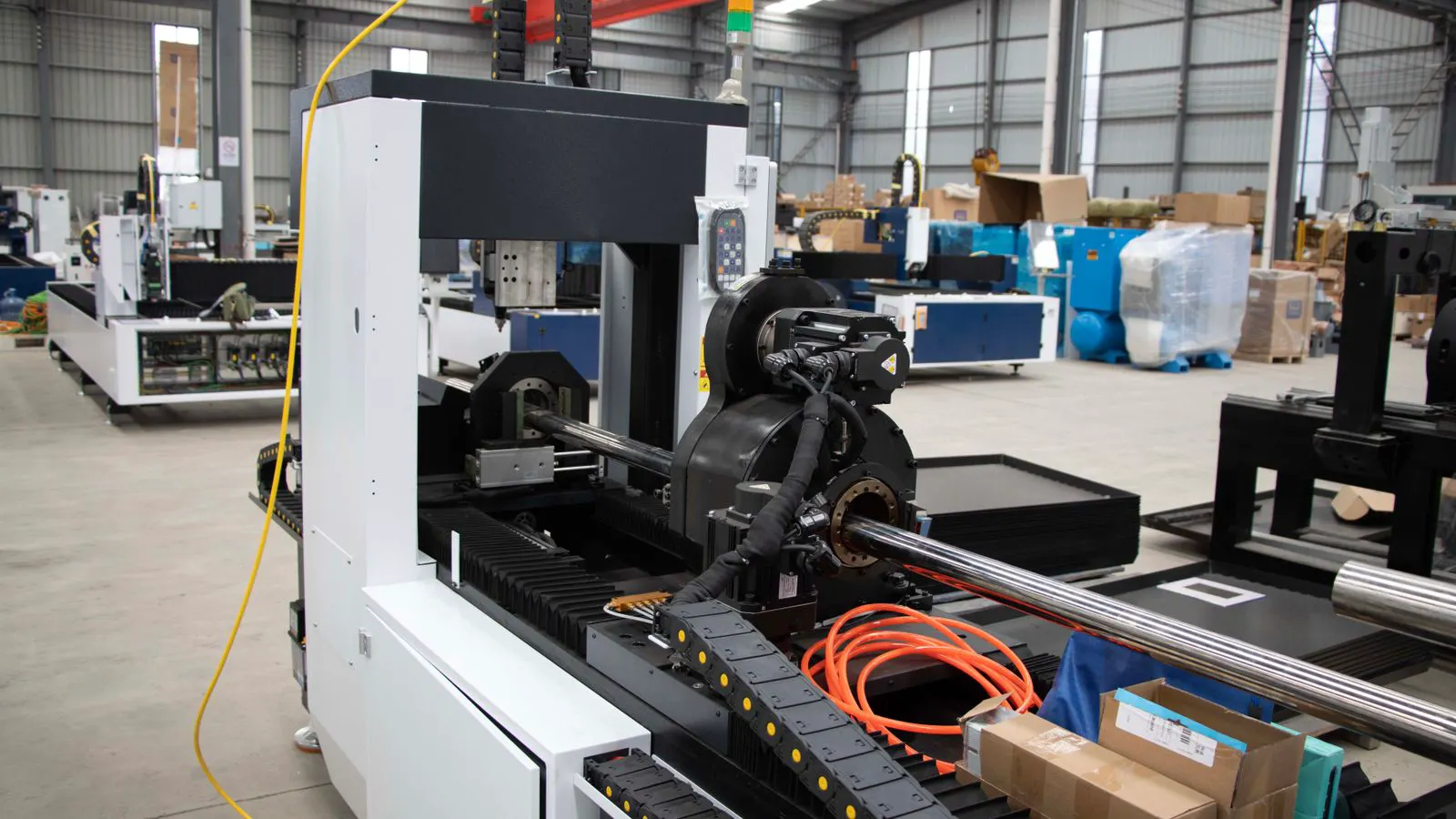
A sheet metal setup fee covers the time and materials needed to prepare equipment for a specific job. Tooling costs cover custom fixtures or dies. Both charges vary by part complexity and should be reviewed carefully in quotes.
- Setup fees cover the time needed to program and align a machine, not the cutting or bending itself.
- Tooling costs arise when standard equipment cannot produce the part shape without custom fixtures.
- Reviewing billing terms early helps you separate one-time costs from recurring production charges.
- Complex parts often trigger higher setup fees because they require multiple operations or special tooling.
- A clear quote should itemize setup and tooling separately from raw material and labor.
What Is a Sheet Metal Setup Fee
A sheet metal setup fee is the charge a fabricator applies before production begins. It covers the time spent preparing the machine, loading the part, and verifying the first piece. This fee is separate from the cost of cutting, bending, or finishing the material.
In practice, the fee reflects how much effort the operator and engineer must invest to get the job ready. A simple flat panel with a single bend may take minutes to set up. A complex part with many bends, tight tolerances, and multiple material types can take hours.
Consider a flat stainless steel plate that requires no holes and no bending. The operator loads the file, verifies the laser path on the screen, and runs the first cut. The setup might take fifteen minutes. Now compare that to a bracket made from mild steel that requires five bends, a chamfer, and a custom hole pattern. The engineer must program the press brake, select the correct die and punch, verify the bend sequence, and check for interference with the tooling. The operator must load the material, zero the machine, and inspect the first piece for warping or springback. That setup can take two or three hours.
The fee also varies by machine type. Laser cutters, waterjet machines, and press brakes all have different setup requirements. Some machines require software updates or fixture changes. Others just need a material changeover and a quick check of the tool path. A laser cutter may need a new gas nozzle if the material thickness changes. A press brake may need a new die set if the part geometry changes. A waterjet cutter may need a new nozzle if the hole pattern requires a different cut width.
How Setup Fees Are Calculated
Fabricators usually calculate setup fees using one of three methods. The first is a flat rate per job. This is common for straightforward parts where the setup time is predictable. The second method is time and materials. Here, the fee is based on the actual hours worked plus any consumables used. The third method is hybrid, where a base fee covers standard setup and extra charges apply for complex operations.
Time and materials billing requires good record keeping. The fabricator tracks the clock from the moment the engineer loads the file to the moment the first part is inspected. Some shops bill in fifteen minute increments. Others use hourly rates. The specific rate depends on the shop. If a job takes one hour and forty-five minutes, a shop that bills in fifteen minute increments will charge for four increments, or one hour. A shop that bills in one hour increments may charge for two hours.
Complexity drives the cost up. If a part requires multiple bends, the setup fee will be higher because each bend must be programmed and verified. If the part uses a rare material grade, the shop may need to source it specifically, which adds time. If the part requires custom fixtures, the setup fee may include the labor to build or install those fixtures.
A practical example of complexity is a part that uses two different material thicknesses in one assembly. The fabricator must load the first thickness, run the cut, then load the second thickness. This doubles the material changeover time. If the two materials require different laser parameters, the engineer must adjust the power and speed settings for each. These adjustments add setup time that a simple single material part would not incur.
Tooling Cost Definition and When It Applies
A tooling cost is the fee for creating or modifying physical equipment to produce a part. This is different from setup, which is about preparing standard equipment. Tooling is about creating new hardware when standard tools will not work.
Examples of tooling include custom punch dies for press brakes, special jigs for welding, or custom fixtures for holding a part during painting. If a fabricator has a standard die that fits your part, there is no tooling cost. If they must machine a new die or build a jig from scratch, the tooling cost applies.
The cost of tooling depends on the material and complexity of the fixture. A simple wooden jig might cost a fraction of a metal die. A hardened steel die for high volume production is a significant investment. Some fabricators amortize tooling costs over the production run. Others charge it as a one time fee upfront. You need to ask which model your supplier uses.
Consider a bracket that requires a bend at a 45 degree angle. If the fabricator has a standard 45 degree die, no tooling cost applies. If the bracket requires a bend at a 38 degree angle, the fabricator must order a custom die. That die costs money to machine and install. The tooling fee covers that cost. If the part volume is low, the tooling cost per unit will be high. If the part volume is high, the tooling cost per unit will be low.
How These Charges Affect Sourcing Decisions
Understanding setup and tooling charges changes how you approach sourcing. If you are running a small prototype batch, a high setup fee can make the total cost per unit look expensive. If you are running a large production run, the setup fee gets spread over many units and the per unit cost drops.
Tooling costs shift the decision further. If you need a custom die, the initial investment is high. But once the die is made, the production speed can be much faster than standard bending. This can reduce labor costs and lead time. For high volume parts, the tooling investment may pay for itself. For low volume parts, it may not.
You should also consider the lead time. A standard setup takes less time than building a tool. If you need the part urgently, paying a premium for standard setup may be cheaper than waiting for tooling to be built. If you can wait, tooling may give you a faster production cycle and lower unit cost.
Imagine you need 100 units of a part by next month. A standard setup will take three days. The setup fee is moderate. If you order a custom die, it will take two weeks to build. The tooling fee is high. In this case, standard setup is the better option. Now imagine you need 10,000 units over the next six months. The custom die will take two weeks to build, but it will reduce the production time per unit significantly. The tooling fee will be spread over 10,000 units, making the per unit cost lower. In this case, tooling is the better option.
Worked Example of Quote Structure
Imagine you are quoting a batch of 500 aluminum brackets. The part has three bends and a hole pattern. The quote might look like this.
| Cost Item | Description | Notes |
|---|---|---|
| Material | Aluminum sheet stock | Cost based on sheet size and grade |
| Setup Fee | Laser and press brake preparation | Covers programming and first piece inspection |
| Tooling | Custom press brake die | One time cost for the die |
| Production | Cutting and bending 500 parts | Hourly labor rate times estimated hours |
| Finishing | Deburring and painting | Optional add on service |
In this example, the setup fee is charged once per job. The tooling cost is also charged once. The production cost is multiplied by the quantity. The material cost is multiplied by the quantity. The finishing cost is optional and depends on your specification.
The material cost depends on the sheet size and grade. If the bracket is cut from a standard 4 foot by 8 foot sheet, the cost is based on the number of brackets per sheet. If the bracket requires a non standard sheet size, the cost may be higher. The grade of aluminum also affects the material cost. A standard 5052 grade is more common than a high strength grade, and the price reflects that.
If you order 5,000 parts instead of 500, the setup and tooling costs stay the same. The production and material costs go up by ten times. The per unit cost drops significantly because the one time fees are spread over more units. This is why volume matters when reviewing setup and tooling charges.
Common Mistakes in Reviewing Quotes
Many buyers miss the setup and tooling lines in a quote. They focus on the material price and the per unit labor rate. They ignore the one time fees that sit at the top of the document. This leads to surprises when the final invoice arrives.
Another mistake is assuming setup fees are standard across all vendors. They are not. One shop may charge a flat rate. Another may bill by the hour. A third may include setup in the base labor rate. You need to ask for a breakdown. If the quote only shows a single price for the part, ask how setup and tooling are handled.
A third mistake is not asking about tooling ownership. If the fabricator builds a die for you, who owns it? Can you move it to another shop? Can you reuse it for a different part? If you do not specify ownership in the contract, the die may belong to the fabricator. This limits your future sourcing options.
Imagine a scenario where a die is built for a product that runs for three years. At the end of the product life, the buyer wants to source the part from a different vendor to reduce costs. If the die belongs to the original fabricator, the buyer cannot use it. The new vendor must build a new die. This adds a new tooling cost to the new sourcing arrangement. If the buyer specified ownership in the original contract, the die can be moved to the new vendor. This avoids a new tooling cost.
How to Reduce Unnecessary Charges
You can reduce setup fees by simplifying your part design. Fewer bends mean less programming and less setup time. Standard hole sizes and bend angles reduce the need for custom tooling. If you can use a standard die, you avoid the tooling cost entirely.
You can also reduce tooling costs by increasing your order quantity. If you are confident in the demand, a higher volume justifies the investment in a custom die. The die pays for itself over the production run. For low volume jobs, it is better to use standard tooling and accept a higher per unit cost.
Finally, communicate clearly with your fabricator. Share your CAD files early. Provide a clear bill of materials. Specify tolerances and finishes in writing. Clear documentation reduces the time the engineer spends guessing. Less guessing means less setup time and fewer errors.
Consider a part that has a bend tolerance of plus or minus one degree. If you do not specify this, the fabricator may assume a standard tolerance of plus or minus two degrees. If your application requires the tighter tolerance, the fabricator must spend more time verifying each bend. This increases setup time and may increase the setup fee. If you specify the tolerance in your drawing, the fabricator can plan for it from the start. This reduces the setup time and keeps the fee lower.
Frequently asked questions
What is the difference between a setup fee and a tooling cost?
A setup fee covers the time to prepare standard machines for a job. A tooling cost covers the creation of custom fixtures or dies that are not already in the shop.
Are setup fees always charged as a flat rate?
No. Fabricators may use flat rates, time and materials billing, or a hybrid model. You should ask which method they use before accepting a quote.
Can I avoid tooling costs by using standard dies?
Yes. If your part shape fits an existing die in the fabricator's inventory, you will not pay a tooling cost. You may pay a higher setup fee, but you avoid the one time fixture cost.
Who owns custom tooling if I pay for it?
It depends on the contract. You must specify ownership in writing. Without a clear agreement, the tooling may belong to the fabricator.
How do setup fees affect low volume orders?
They increase the per unit cost because the one time fee is spread over fewer parts. For low volume work, the setup fee becomes a larger portion of the total price.


