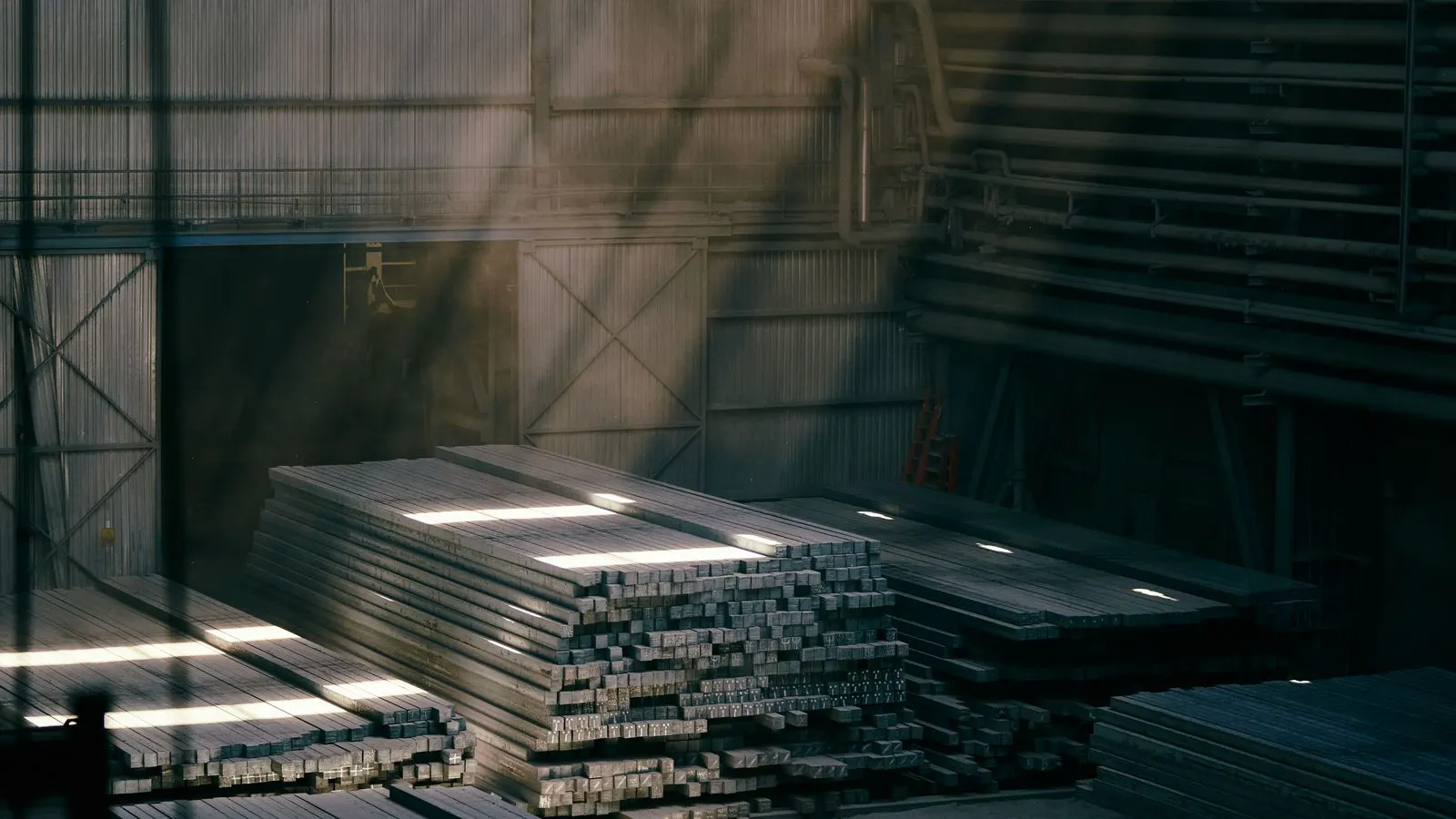
Offshore fabrication often offers lower base labor costs, but import costs, shipping delays, and compliance reviews can erase those savings. Onshore local fabrication shortens lead times and simplifies communication. The right choice depends on part complexity, volume, and your tolerance for supply chain risk.
- Offshore pricing is usually lower for high-volume, simple parts, but logistics and compliance add significant overhead.
- Onshore local fabrication reduces lead time, eases communication, and simplifies import compliance.
- Mixed sourcing strategies work well when critical parts stay close and non-critical parts move offshore.
- Always model total landed cost, not just the fabrication quote.
- Quality control and documentation requirements grow as distance and jurisdiction increase.
How much does offshore sheet metal actually save
Offshore sheet metal fabrication often starts with a lower base quote. Labor rates in many overseas markets are lower than in North America or Western Europe, so the fabrication line items tend to be smaller. For a batch of flat brackets or enclosure panels, the difference can be noticeable before shipping is added.
The savings are not automatic. A lower fabrication price is just one line item in the total cost. You must add material shipping, customs duties, brokerage fees, insurance, and inland trucking. If the part is small and lightweight, these costs may be manageable. If the part is large, heavy, or requires special packaging, the logistics budget can climb quickly.
Consider a stainless steel enclosure with a flat lid and four sides. An onshore shop may charge more per hour for labor. An offshore shop may charge less. The onshore shop also handles local delivery and local tax. The offshore shop requires a full import workflow. The import side may need a commercial invoice, packing list, certificate of origin, and a customs broker. Each of those items carries a cost.
The real question is not which shop has the lower quote. The real question is which option produces the lowest landed cost with an acceptable delivery date. If the part ships by air, the speed is faster, but the freight cost is higher. If the part ships by ocean, the cost is lower, but the transit time is longer. The choice depends on whether the part is in a production run or a one-off prototype.
What import costs and compliance add to the price
Import costs are not just freight. They are a stack of administrative and physical costs that sit on top of the base price. Customs duties apply to many sheet metal products. The rate depends on the material, the country of origin, and the part classification. Some countries have trade agreements that reduce or eliminate duties for specific items. Without those agreements, the duty rate can be a meaningful percentage of the part value.
Compliance adds documentation work. You need the right import documents to clear the part at the border. A missing document can hold a shipment at the port. A shipment held at the port adds storage fees and delays. For a production line, those delays are expensive.
Quality control also changes. When the part is made offshore, you rely on the supplier to inspect the work. You may ask for photos, dimensional reports, or certificates of conformance. For critical parts, you may need a third-party inspection before shipping. That inspection has a cost and takes time. It also creates a risk that the part fails inspection and must be reworked or replaced.
Local fabrication avoids most of this layer. The shop is in your country. The part moves by truck. The paperwork is simpler. The communication is faster. The risk of a customs hold is lower. For many buyers, that simplicity is worth a higher fabrication rate.
How lead time changes between offshore and onshore
Lead time is where offshore vs onshore sheet metal often turns on the part. Onshore fabrication can move from design review to first article in days or weeks. Offshore fabrication may take longer because of time zones, language, and shipping.
The offshore cycle includes several stages. First, you send the drawings and wait for a quote. Then you confirm the order and wait for the shop to source material. Next, the shop cuts, bends, and finishes the part. After that, the part is packed and shipped. Finally, it clears customs and moves to your site. Each stage has its own duration.
Onshore, the cycle is shorter because the physical distance is smaller. The part can be delivered by truck. You can visit the shop if the part is critical. You can make last-minute changes if the design is not final. For a small batch of custom brackets, that flexibility is valuable.
For high-volume production, offshore lead time can be acceptable if you plan ahead. You place the order early enough to cover ocean transit and customs. You keep a buffer in your inventory. You do not rely on a single supplier for a part that stops your line. The lead time is longer, but the cost is lower. The trade-off is between speed and price.
When to choose local fabrication
Local fabrication makes sense when speed and communication matter more than the lowest base price. If the part is small, low volume, or changes often, onshore is usually the better fit. You can work with the shop on design for manufacturability, adjust tolerances, and get quick feedback.
Local fabrication is also better for parts that require special coatings, tight tolerances, or frequent inspection. You can walk the floor and see the work. You can ask the fabricator to show you how the part is being made. That visibility reduces risk.
For prototype work, local fabrication is often the default. A prototype is not a production part. It is a tool for testing. The cost of shipping a prototype offshore and waiting for it to arrive is rarely worth it. You want the part in hand quickly. You want to test fit, function, and form. You want to make changes and ship the next version the same week.
Local fabrication is also better when the part is part of a larger assembly. If the sheet metal component must arrive with other parts at a specific time, onshore sourcing keeps the schedule simple. You can coordinate delivery with other suppliers. You can inspect the part at the dock. You can start assembly the same day.
When to choose offshore fabrication
Offshore fabrication makes sense when the part is high volume, stable, and not time-sensitive. If the design is locked and the part is a simple bracket, panel, or enclosure, the lower fabrication cost can add up. You save on labor, and the logistics cost is spread over many units.
Offshore is also better for parts where the material is a large share of the cost. If the part is mostly steel or aluminum, the fabrication labor is a smaller part of the total. The material cost is similar whether the shop is onshore or offshore. The shipping cost is a fixed percentage of the value. In that case, the labor saving can be meaningful.
A mixed approach works well. Keep critical parts onshore. Move non-critical parts offshore. This reduces risk on the parts that matter most. It also lowers cost on the parts that do not. For a product with both a control panel and a simple mounting bracket, the panel may stay local. The bracket may move offshore.
Offshore also makes sense when you have a reliable supplier and a clear process. You know how they handle quality. You know how they handle changes. You have a documented process for receiving and inspecting the part. That process reduces the risk of delay and defect. Without that process, the offshore option is risky.
How to compare the two options fairly
Do not compare the fabrication quote alone. Compare the total landed cost. Build a simple model that includes material, fabrication, packaging, freight, duties, brokerage, insurance, inspection, and inland delivery. Then compare the onshore and offshore totals.
The onshore model is simpler. It includes local freight and possibly a small inspection fee. The offshore model is longer. It includes ocean or air freight, customs, and a possible third-party inspection. The more line items you add, the more the offshore cost rises.
Lead time is the other side of the comparison. Ask how long each option takes from order to receipt. Include the time for drawing review, first article, production, shipping, and customs. If the offshore option takes three months and the onshore option takes three weeks, the cost difference must justify the three-month delay.
Also consider risk. Offshore sourcing adds risk from shipping delays, customs holds, quality failures, and currency changes. Onshore sourcing adds risk from local labor shortages or shop capacity. Both have risk. The offshore risk is usually higher because it is harder to control.
A fair comparison looks like this:
| Option | Best for | Limitations |
|---|---|---|
| Onshore local fabrication | Low volume, prototypes, critical parts, tight lead times | Higher labor cost, less price flexibility at scale |
| Offshore ocean freight | High volume, stable designs, non-critical parts | Long lead time, import complexity, higher logistics cost |
| Offshore air freight | Urgent low volume, urgent prototypes | High freight cost, less cost saving than ocean |
| Hybrid local and offshore | Mixed product lines, critical and non-critical parts | More management, two supply chains to track |
| Regional onshore | Medium volume, moderate lead time, lower risk than full offshore | Higher cost than offshore, longer than local |
How to reduce the hidden cost of offshore sourcing
If you choose offshore, reduce the hidden cost by tightening the process. Use clear drawings with tolerances, material, and finish notes. Ask the supplier to confirm understanding before cutting material. Request a first article inspection report before full production. Use a reliable freight forwarder that handles customs clearance. Keep a buffer in your inventory so a delay does not stop your line.
You can also reduce cost by grouping orders. If you have several small parts, combine them into one shipment. This lowers the per-unit freight cost. You can also reduce cost by choosing standard materials and finishes. Special coatings or exotic alloys add cost and complexity. They also add risk.
The biggest hidden cost is delay. A part that arrives late can stop a production line. A part that fails inspection can delay a release. A part that requires rework can add weeks. These costs are often larger than the freight savings. Model the risk, not just the price.
A practical approach is to start with a small offshore trial. Order a small batch. Inspect the part at your site. Measure the lead time and the quality. If the part meets your needs, you can scale up. If it fails, you keep the loss small. This reduces the risk of committing to a large offshore order without knowing the outcome.
The choice between offshore vs onshore sheet metal is not about finding the cheapest quote. It is about matching the sourcing strategy to the part, the schedule, and the risk you can accept. For many buyers, the answer is a mix. Keep what matters close. Move what can be done far. Then track the total landed cost and the total lead time, not just the fabrication price.
Frequently asked questions
Is offshore sheet metal always cheaper than onshore?
No. The fabrication quote is often lower, but import costs, freight, duties, and inspection can add enough overhead to erase the savings. The total landed cost is the number that matters.
When is local fabrication the better choice?
Local fabrication is better for prototypes, low volume, critical parts, and situations where lead time or communication matters more than the lowest base price.
Can I use both offshore and onshore at the same time?
Yes. A hybrid approach is common. Keep critical parts onshore and move non-critical, high-volume parts offshore to balance cost and risk.
What is the biggest risk with offshore sheet metal?
The biggest risk is delay. Customs holds, shipping delays, and quality failures can add weeks to the schedule and disrupt production.
How should I compare an offshore quote to an onshore quote?
Build a total landed cost model that includes material, fabrication, freight, duties, brokerage, inspection, and delivery. Then compare the full cost and the full lead time, not just the fabrication price.