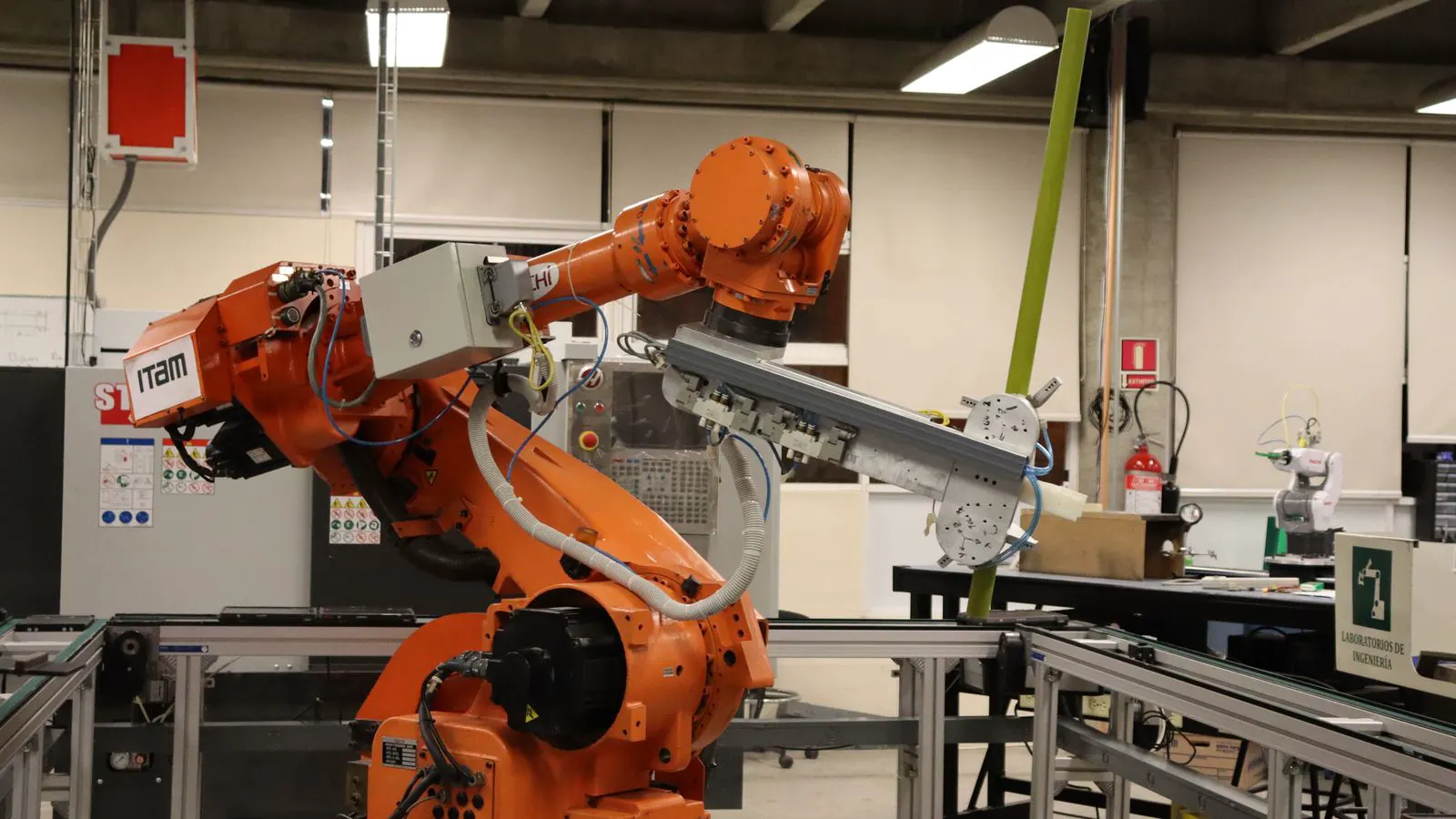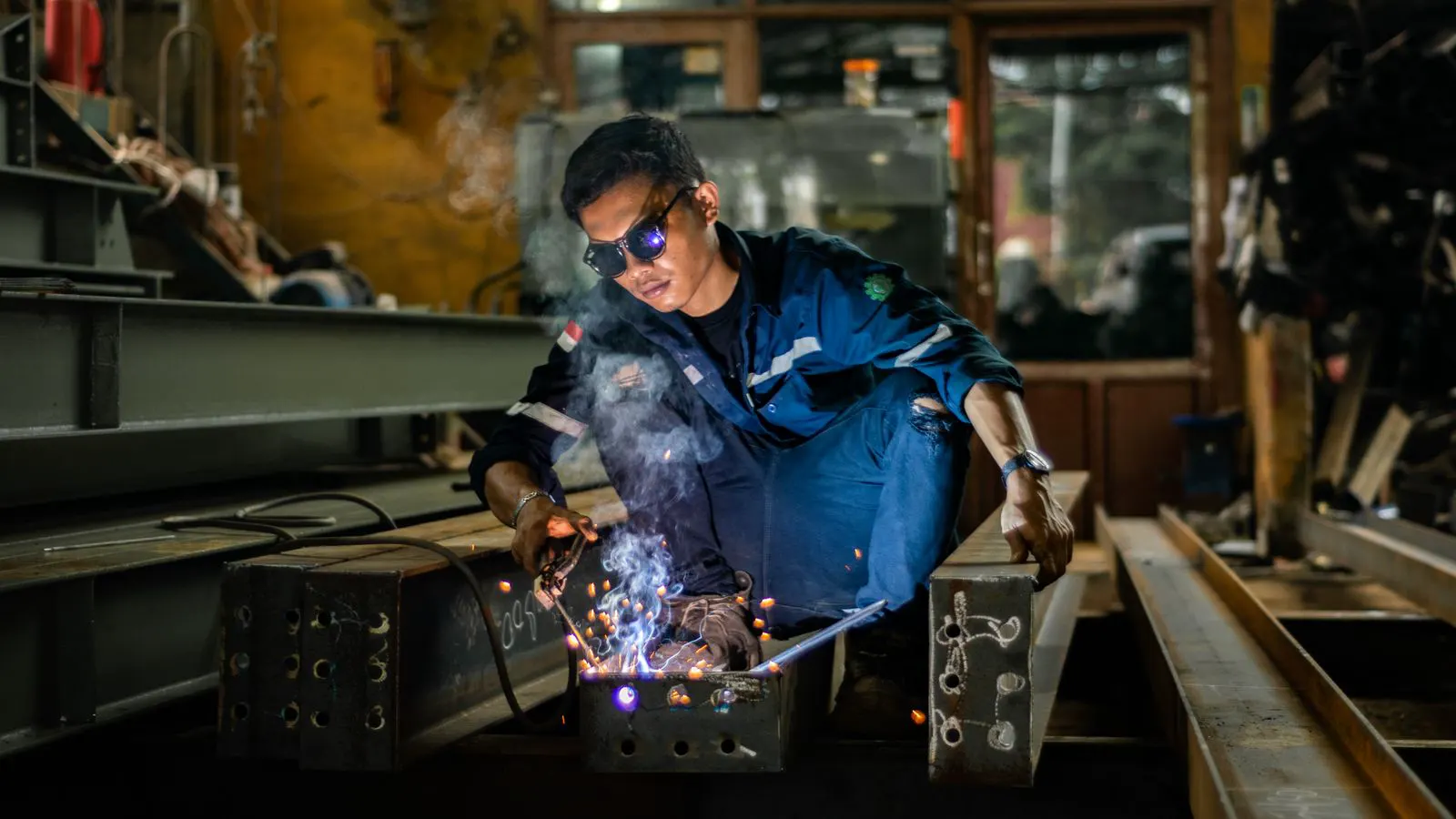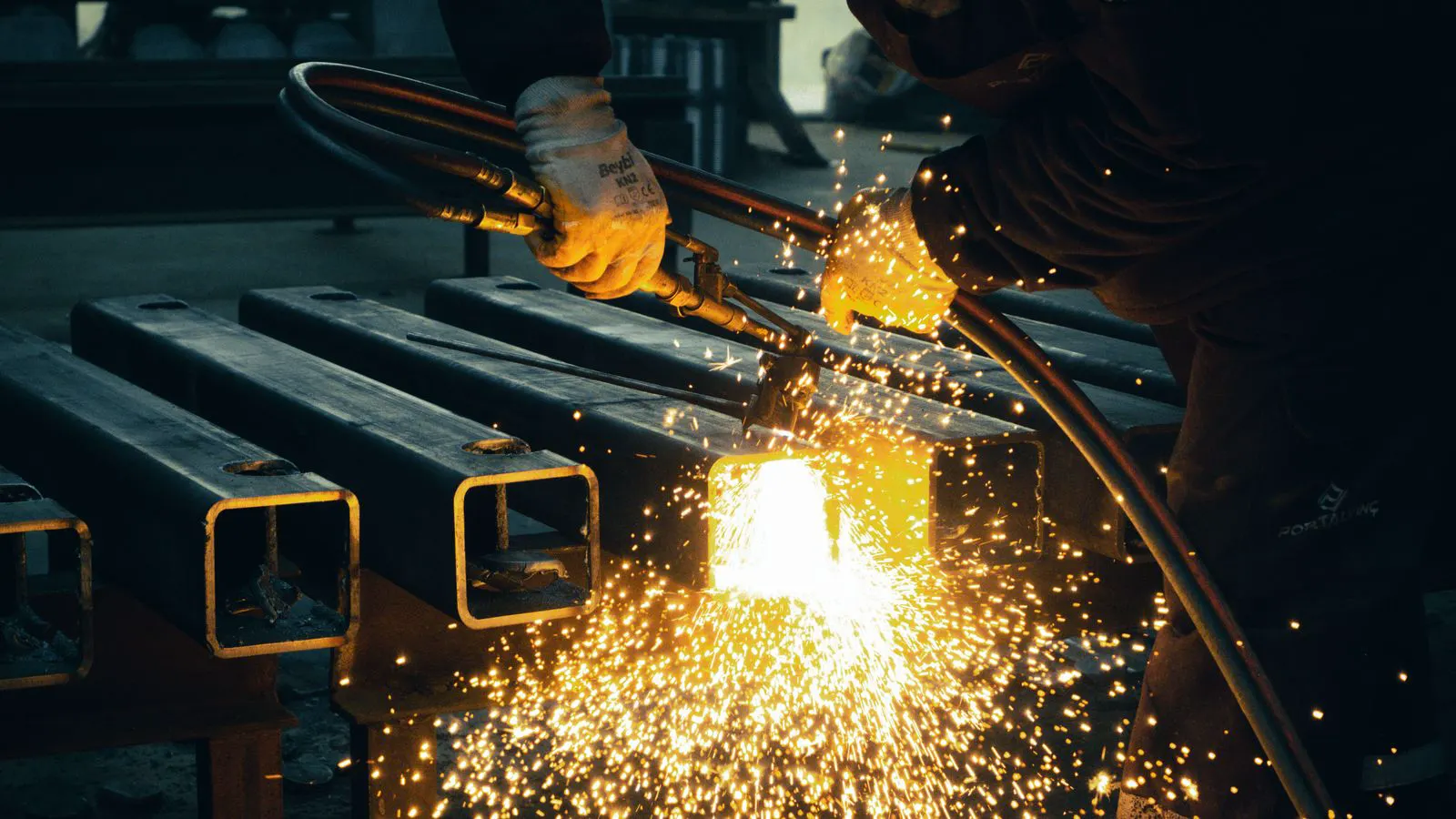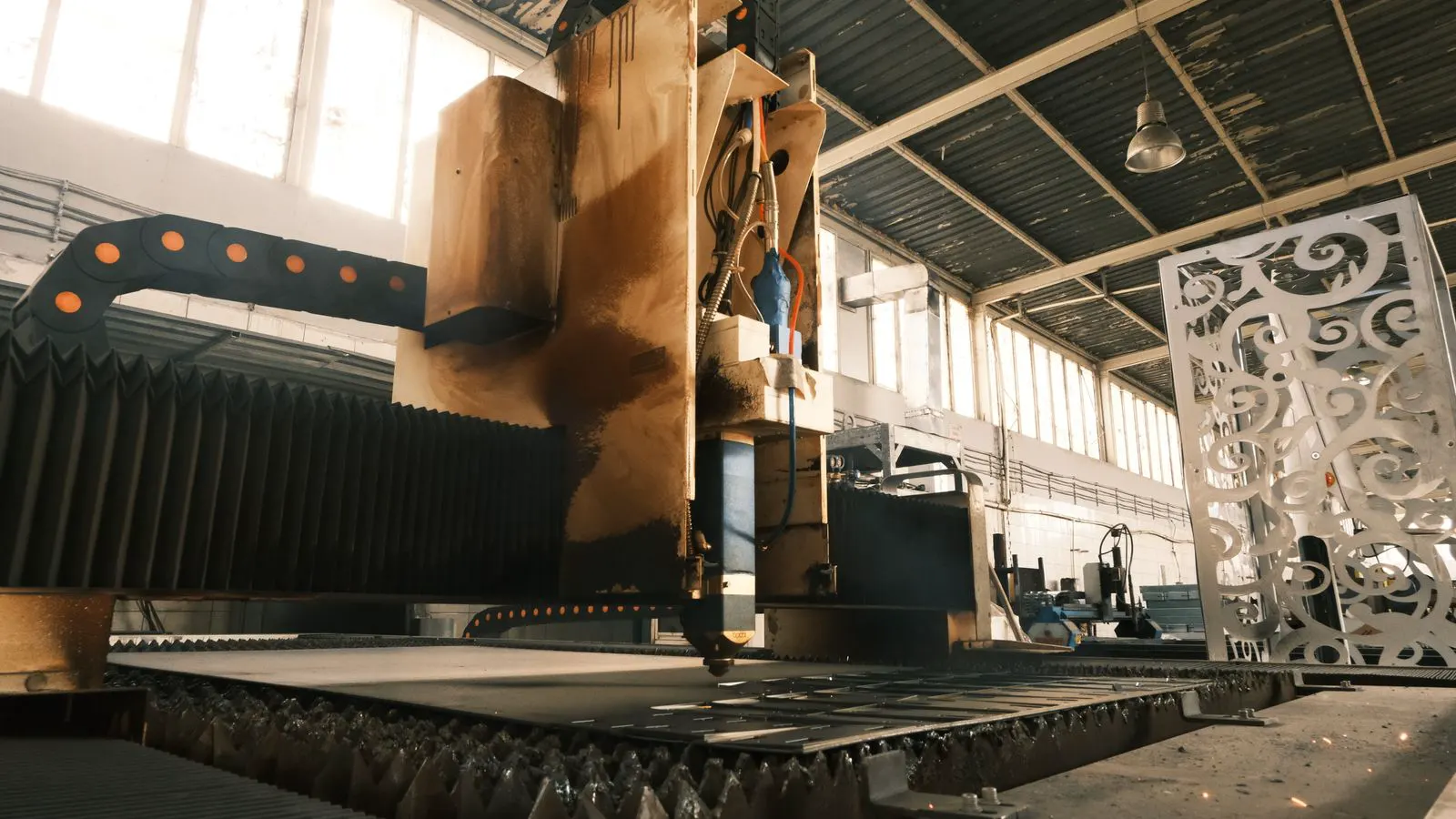
Robotic welding outlook shows increasing adoption for consistent quality and reduced labor costs. Buyers should plan for sensor integration, data analytics, and hybrid human-robot workflows. Preparation requires evaluating part geometry, material thickness, and long-term maintenance capabilities before investing in automation.
- Robotic welding delivers consistent weld quality and reduces labor costs in high-volume sheet metal production
- Sensor integration and real-time monitoring are becoming standard requirements for modern welding cells
- Hybrid human-robot workflows allow operators to handle complex assembly while robots execute repetitive welding tasks
- Data analytics from welding systems enables predictive maintenance and quality improvement
- Preparation requires evaluating part geometry, material thickness, and maintenance capabilities before investing in automation
What Drives the Adoption of Robotic Welding in Sheet Metal
Robotic welding has moved from experimental applications to standard practice in many sheet metal operations. The shift stems from three converging factors. Labor availability in skilled welding roles has become more constrained. Customers increasingly demand tighter dimensional tolerances and consistent weld quality. Production volumes in automotive, appliance, and structural segments continue to grow.
The economics favor automation when parts repeat. A robot executing a consistent MIG or TIG pass on a bracket assembly costs less per part than a skilled welder over time. The initial capital outlay for the robot, welding power source, fixture, and safety enclosure is high. The payback period shortens when the production run exceeds a threshold that varies by part complexity and shop floor conditions.
Buyers assessing the robotic welding outlook must distinguish between full automation and assisted automation. Full automation removes all human involvement from the weld cycle. Assisted automation keeps a human operator in the loop for loading, part positioning, and final inspection. The latter approach works well for medium production runs where part variations require human judgment.
How Sensors Change the Welding Process
Modern welding robots no longer rely on fixed programmed paths alone. Laser scanners and vision systems measure part position and geometry before the arc strikes. The robot controller adjusts the welding path in real time to compensate for fixture tolerances or minor part misalignment.
This sensor integration addresses a persistent problem in sheet metal welding. Thin sheet metal is sensitive to heat input. Even small positioning errors can cause warpage, burn-through, or incomplete fusion. When a laser scanner detects a 1.5 mm offset in a flange, the robot shifts the torch trajectory to maintain correct penetration depth.
The quality control benefit extends beyond the weld itself. Sensor data captures every cycle. Manufacturers can track heat input, travel speed, and arc stability across thousands of production runs. This data identifies subtle shifts before they become visible defects in the finished product.
What Cost Impact Should Buyers Expect
The cost structure of robotic welding differs fundamentally from manual welding. Manual welding costs scale with labor hours. A skilled sheet metal welder commands a premium wage rate. Productivity varies based on part complexity, position, and operator fatigue.
Robotic welding costs are front-loaded. The initial investment covers the robot, welding equipment, fixtures, and integration labor. Once operational, the marginal cost per weld cycle drops significantly. Energy costs per part decrease because robots maintain consistent travel speeds and heat input. Material waste from rework and scrap also drops when weld quality remains stable.
The total cost of ownership includes maintenance, programming updates, and operator training. A robot requiring frequent recalibration or replacement of worn torch tips drives up operational costs. Buyers should budget for annual maintenance contracts and spare parts inventory. The cost advantage of automation widens as production volume increases.
How Quality Improvements Manifest in Finished Products
Weld quality in sheet metal fabrication determines structural integrity, appearance, and corrosion resistance. Robotic systems improve quality through consistency. Each weld cycle executes the same sequence of preheat, arc strike, travel, and post-heat treatment. The variation in heat input between cycles remains minimal.
This consistency matters most in thin sheet applications. A 1.5 mm steel bracket welded by a robot maintains uniform penetration depth across the joint. A manual welder may struggle to maintain the same depth when working in awkward positions or under production pressure. The robot does not tire. It does not lose focus during repetitive tasks.
Surface finish also improves. A well-programmed robot produces uniform bead profiles. The weld toe transition blends smoothly into the base metal. This reduces stress concentration points in the finished assembly. For painted or coated products, the appearance of the weld zone becomes more predictable and easier to prepare for finishing.
Which Parts Are Best Suited for Robotic Welding
Not every sheet metal part benefits from robotic welding. The best candidates share specific characteristics. Parts must repeat in sufficient volume to justify the fixture and programming investment. The joint geometry should be accessible to a robot arm without excessive repositioning. Material thickness should fall within the optimal range for the selected welding process.
Thin sheet metal, typically under 3 mm, works well with MIG and TIG robotic welding when proper shielding and heat control are in place. The robot’s precision allows tight control of travel speed and heat input. This prevents burn-through and maintains joint strength.
Complex three-dimensional assemblies present challenges. A robot may require multiple work heads or repositioning fixtures to access all weld joints. The programming complexity increases with each additional access point. For highly complex parts, a hybrid approach often works best. A human operator handles final assembly and positioning. The robot executes the repetitive weld passes on accessible joints.
How to Prepare Your Shop for Robotic Welding
Preparation begins with a thorough audit of current production. Document part volumes, joint types, material specifications, and current defect rates. Identify which products show the highest rework costs or labor hours. These products offer the best return on robotic investment.
Next, evaluate your facility layout. Robotic welding cells require adequate space for the robot arm, welding power source, control cabinet, and safety enclosure. The floor must support the weight and vibration of the equipment. Ventilation and fume extraction need assessment. Arc welding produces significant fumes that require proper capture and filtration.
The operator team requires training. A robot does not eliminate the need for skilled personnel. It shifts the skill requirement from manual arc control to programming, monitoring, and maintenance. Operators must understand sensor readings, alarm codes, and basic troubleshooting. The shop must maintain access to technical support for the robot manufacturer and welding equipment supplier.
| Factor | Manual Welding | Robotic Welding |
|---|---|---|
| Consistency | Varies with operator skill | High, controlled by programming |
| Setup Time | Low for single parts | Higher for fixture and programming |
| Cost at Low Volume | Lower initial investment | Higher initial investment |
| Part Variation Handling | Human judgment adjusts on the fly | Requires sensor compensation |
| Production Volume | Scales with labor hours | Scales with cycle time optimization |
| Maintenance Focus | Equipment calibration | Robot calibration, torch replacement, software updates |
What the Next Decade Looks Like
The robotic welding outlook points toward tighter integration with broader manufacturing systems. Welding data feeds directly into enterprise resource planning and quality management systems. When a sensor detects an abnormal heat input pattern, the system flags the affected parts for inspection. This prevents defective assemblies from moving to the next production stage.
Additive manufacturing and hybrid welding processes will expand the range of parts suitable for automation. Robots that can switch between cutting, forming, and welding reduce the number of operations required per part. This compression of manufacturing steps improves throughput and reduces handling time.
The human role in welding will continue to evolve. Skilled welders become robot programmers, cell maintainers, and process engineers. The demand for manual welding expertise may shift toward custom work, repair, and complex field applications that do not justify robotic investment.
Buyers should approach robotic welding as a long-term investment rather than a quick cost reduction. The returns compound over years of production. The quality improvements build customer confidence. The data collected enables continuous process refinement. The key is selecting the right parts, preparing the facility properly, and training the team to work alongside the automation.
The future of automated welding in sheet metal production depends on practical implementation. Shops that invest in sensor integration, data analytics, and hybrid workflows position themselves to maintain competitive margins. The technology is mature. The challenge is executing the transition with discipline.
Practical Steps for Implementation
- Audit current production to identify high-volume parts with consistent geometry and significant rework costs.
- Evaluate facility requirements including floor space, power capacity, ventilation, and fume extraction.
- Select the appropriate welding process based on material thickness, joint type, and quality requirements.
- Design the fixture system to hold parts securely with minimal adjustment during welding cycles.
- Plan the training program for operators covering programming, monitoring, and maintenance tasks.
- Establish a data collection protocol to capture sensor readings and track weld quality across production runs.
- Start with a pilot cell on a representative product before scaling to multiple lines.
- Review the pilot results after six months of production and adjust the implementation plan accordingly.
The path to successful robotic welding integration requires patience. The initial months focus on tuning the process and stabilizing quality. The long-term gains emerge from consistent performance, reduced waste, and data-driven improvements.
Frequently asked questions
What is the typical payback period for investing in a robotic welding cell?
The payback period varies based on part volume, joint complexity, and current labor costs. High-volume production with repetitive geometry tends to reach payback faster than low-volume or highly variable parts.
Can robotic welding handle thin sheet metal without burn-through?
Yes, when proper shielding, heat control, and sensor compensation are in place. The robot's precision allows tight control of travel speed and heat input, which prevents burn-through in thin materials.
Do I need to replace all manual welders to implement robotic welding?
No. Most implementations use a hybrid approach where manual operators handle complex assembly and positioning while robots execute repetitive weld passes. This preserves skilled labor for tasks requiring human judgment.
What maintenance does a robotic welding cell require?
Regular maintenance includes torch tip replacement, sensor calibration, software updates, and inspection of mechanical components. The frequency depends on production volume and operating conditions.
How do I know if my parts are suitable for robotic welding?
Parts with high volume, consistent geometry, and accessible joints work best. Thin sheet metal and repetitive bracket assemblies are ideal candidates. Complex three-dimensional parts may require hybrid workflows or additional fixtures.