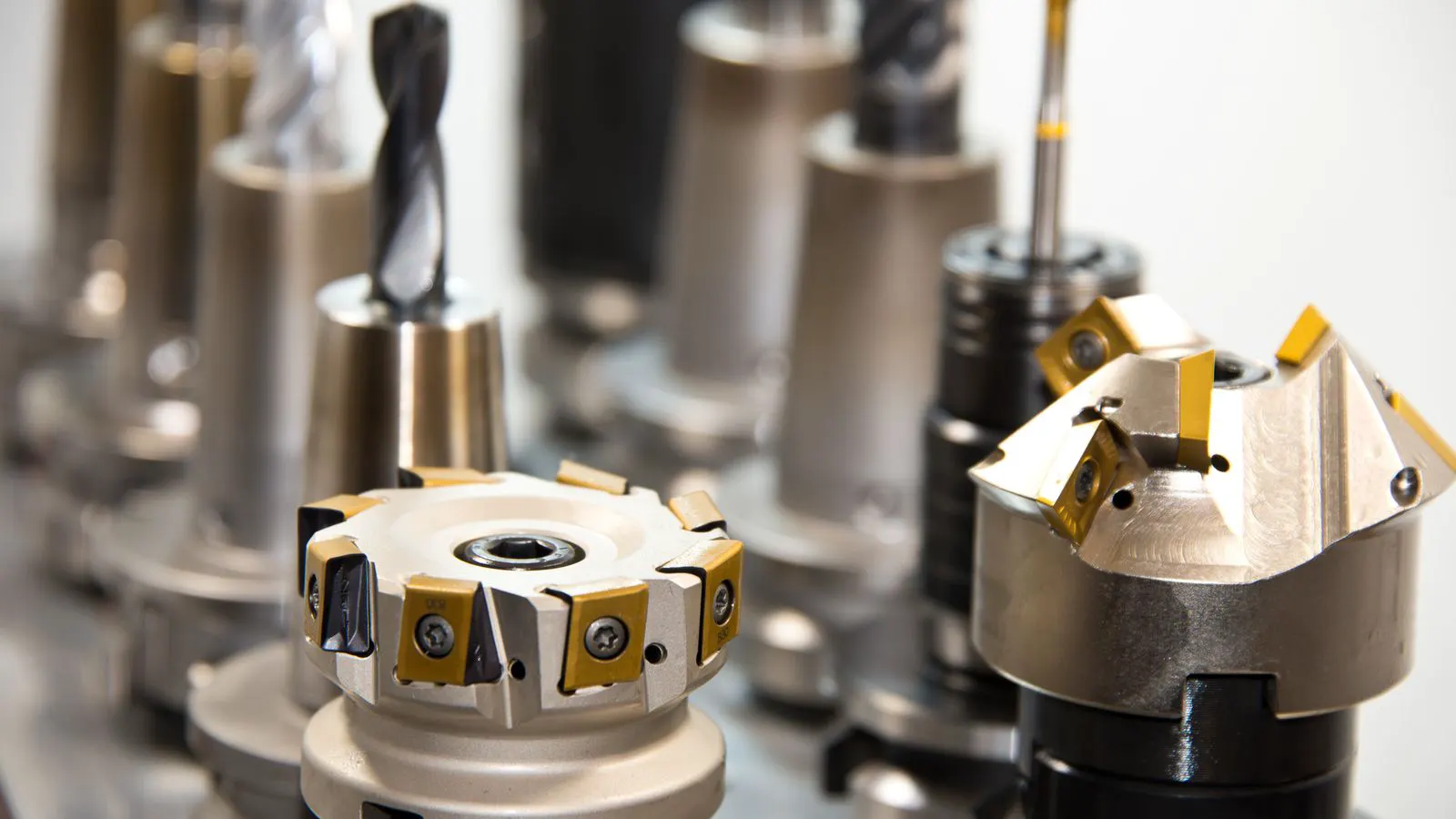
Stainless steel offers durability but carries higher material costs and longer processing times. Powder coated steel is often cheaper upfront but depends on coating shop capacity. Buyers must evaluate total cost, schedule risk, and maintenance needs to choose the right finish.
- Stainless steel requires higher material costs and careful handling to avoid scratches.
- Powder coating adds processing time and can extend lead times compared to bare or passivated stainless.
- Total cost includes material, finishing, surface preparation, and inspection, not just the base price.
- Clear RFQs with specific finish requirements help suppliers provide accurate quotes.
- Schedule risk is often driven by coating shop availability and quality checks.
What drives the price of stainless steel versus powder coated steel
Stainless steel and powder coated steel serve different functions in sheet metal projects. Stainless steel is chosen for corrosion resistance, hygiene, and long service life in harsh environments. Powder coated steel is selected for color options, scratch resistance, and lower initial material cost. The financial difference is not just the raw material. It includes surface preparation, finishing processes, labor, and quality control.
A 300 series stainless sheet costs more per kilogram than carbon steel. When you factor in the need for passivation, passivation, and careful handling to prevent contamination, the cost gap widens. Powder coating involves multiple steps. The steel must be cleaned, pre-treated, coated in an oven, and cooled. Each step adds labor and equipment time. If the part is complex, with many crevices or thin walls, the coating process becomes slower and more expensive.
For importers and buyers, the first step is to define the performance requirements. If the part will sit in an outdoor environment with rain and sun, stainless may save money over time. If the part is indoor, shielded from moisture, and needs a specific color, powder coating may be the better choice. The decision is not about which finish is “better.” It is about which finish fits the application and the budget.
How lead time differs between the two options
Lead time is often the bigger issue than price. Stainless steel suppliers can usually stock standard sheets, but fabrication and finishing add time. A stainless part requires cutting, forming, welding, and then passivation or polishing. If the part has tight tolerances, welding distortion must be managed. This can add days or weeks to the production schedule.
Powder coating is a bottleneck in many supply chains. Coating shops have limited oven capacity. If a supplier has a backlog of jobs, your part waits in line. The lead time for powder coating can be shorter than for complex stainless finishing, but it is not guaranteed. A simple flat panel might take a few days. A large, intricate assembly might take a month or more.
Buyers should ask for a realistic timeline, not just a best-case estimate. Ask the supplier to break down the lead time into stages: material sourcing, fabrication, coating, and final inspection. If the supplier cannot provide this breakdown, treat the quoted lead time with caution. Delays in one stage delay the entire project.
A table of cost drivers
The table below lists the main cost drivers for each finish. Use this as a checklist when reviewing quotes.
| Cost Driver | Stainless Steel | Powder Coated Steel |
|---|---|---|
| Material Price | Higher per kilogram | Lower per kilogram |
| Surface Preparation | Minimal, but must prevent contamination | Extensive: cleaning, pre-treatment |
| Finishing Process | Passivation, polishing, or brushing | Oven curing, multiple coats |
| Labor Intensity | High for welding and finishing | Moderate to high depending on complexity |
| Inspection | Visual, magnetic particle, or eddy current | Visual, thickness, adhesion tests |
| Maintenance | Low | Moderate to high over long term |
The table shows that stainless steel is cheaper in terms of material but more expensive in terms of processing. Powder coated steel is cheaper in material but more expensive in processing. The total cost depends on the specific part and the environment.
How to write a clear RFQ to compare quotes fairly
A vague RFQ leads to vague quotes. If you ask for “stainless steel” without specifying the grade, the supplier may use a lower grade or a higher grade. If you ask for “powder coating” without specifying thickness or color, the supplier may use a standard coating that does not meet your needs.
For stainless steel, specify the grade, such as 304 or 316. Specify the surface finish, such as brushed, polished, or passivated. Specify the tolerance for flatness and surface defects. If the part will be used in a food or medical environment, specify that the steel must be certified and free of contaminants.
For powder coated steel, specify the base steel grade, such as mild steel or galvanized steel. Specify the coating type, such as polyester or polyurethane. Specify the dry film thickness, measured in microns. Specify the color, using a standard color code if possible. Specify the finish, such as matte or gloss.
A clear RFQ helps the supplier calculate the cost accurately. It also reduces the chance of disputes later. If the quote is based on a misunderstanding, the final product may not meet expectations. The cost of rework or replacement is always higher than the cost of getting the spec right the first time.
How to compare quotes from different suppliers
Do not compare quotes based on price alone. A lower price may indicate a lower grade of steel, a thinner coating, or less rigorous quality control. Ask each supplier to break down the cost by material, labor, and finishing. This allows you to see where the cost is coming from.
Check the supplier’s capacity. If a supplier is new to the market, they may have limited coating capacity. They may outsource the coating to a third party. This adds lead time and risk. Ask if the coating is done in-house. If it is, ask for photos of the coating line and the quality control process.
Check the supplier’s history. Ask for references from similar projects. Ask if they have experience with your specific application. A supplier that has made similar parts for you before is likely to have a smoother process. They know the tolerances, the finishing requirements, and the common pitfalls.
How to manage risk and schedule
The biggest risk is schedule slippage. If your project has a hard deadline, do not take on unnecessary risk. If you need the part for a specific date, build in buffer time. If you are using powder coating, check the coating shop’s calendar. If they are at capacity, your part will wait.
If you are using stainless steel, check the material availability. Certain grades of stainless are in short supply. If the grade is not in stock, the supplier may need to order it, which adds lead time. Ask the supplier to confirm material availability before they commit to a delivery date.
For importers, add time for shipping and customs. A part that is ready on the supplier’s side may take weeks to arrive at your warehouse. Factor in the transit time and the time for inspection upon arrival. If the part fails inspection, you need time to return it for rework.
How to reduce total cost over the project life
The initial cost is only part of the equation. If the part will be used for ten years, the maintenance cost matters. Stainless steel requires minimal maintenance. It does not rust, so it does not need repainting. Powder coated steel can chip or peel over time, especially in outdoor environments. When the coating fails, the steel underneath may rust. This leads to repair or replacement.
If the part is in a harsh environment, the long-term cost of powder coated steel may be higher than the long-term cost of stainless steel. If the part is in a controlled environment, the long-term cost difference may be small. In that case, the initial cost and lead time may be the deciding factors.
Buyers should calculate the total cost of ownership. Include the initial cost, the finishing cost, the maintenance cost, and the replacement cost. This gives a clearer picture of the financial impact. It also helps you justify the choice to internal stakeholders.
How to verify the finish before shipment
Before you accept the part, verify the finish. For stainless steel, check the surface for scratches, pitting, or discoloration. Check the passivation report if one is provided. If the part is for a critical application, ask for a mill certificate that confirms the grade and the heat number.
For powder coated steel, check the coating thickness. Use a thickness gauge to measure several points on the part. Check for runs, sags, or bare spots. Check the adhesion by doing a simple scratch test, if your supplier agrees. If the part has a specific color, compare it to a color standard.
If the finish is not up to standard, reject the part before it ships. It is cheaper to return a part for rework than to accept a defective part and deal with the consequences later. Document any defects in writing and request a correction plan.
Final thoughts on material and finish selection
The choice between stainless steel and powder coated steel is not a simple either-or decision. It depends on the application, the environment, the budget, and the schedule. Stainless steel is a durable choice that reduces long-term maintenance. Powder coated steel is a cost-effective choice that offers color and scratch resistance.
Buyers should focus on the total cost and the total lead time. Do not make decisions based on the raw material price alone. Ask for a detailed quote that breaks down the cost by stage. Ask for a realistic timeline that accounts for bottlenecks. Ask for references and examples of similar work.
The right decision is the one that fits your specific needs. There is no single best finish for every project. There is only the best finish for your project. Get the details right, and you will avoid the common mistakes that lead to cost overruns and schedule delays.
Frequently asked questions
Is stainless steel always more expensive than powder coated steel?
No, the initial material cost is higher for stainless steel, but the total cost depends on the finish, the complexity, and the long-term maintenance. Powder coated steel may cost more if the coating is thick or the part is complex.
Which finish has a shorter lead time?
It depends on the supplier and the part. Stainless steel can be faster if the material is in stock, but passivation and polishing add time. Powder coating can be faster for simple parts but is often bottlenecked by coating shop capacity.
What is the best finish for outdoor use?
Stainless steel is generally better for outdoor use because it resists rust and corrosion. Powder coated steel can last outdoors, but the coating may degrade over time and require repainting.
How do I verify the grade of stainless steel?
Ask for a mill certificate that lists the grade, the heat number, and the chemical composition. You can also use a portable spectrometer to verify the grade on the material, if your supplier allows it.
Can I use powder coating on stainless steel?
Yes, but it is less common. Stainless steel requires a specific pre-treatment to ensure the coating adheres well. If you choose this route, specify the pre-treatment and the coating type in your RFQ.


