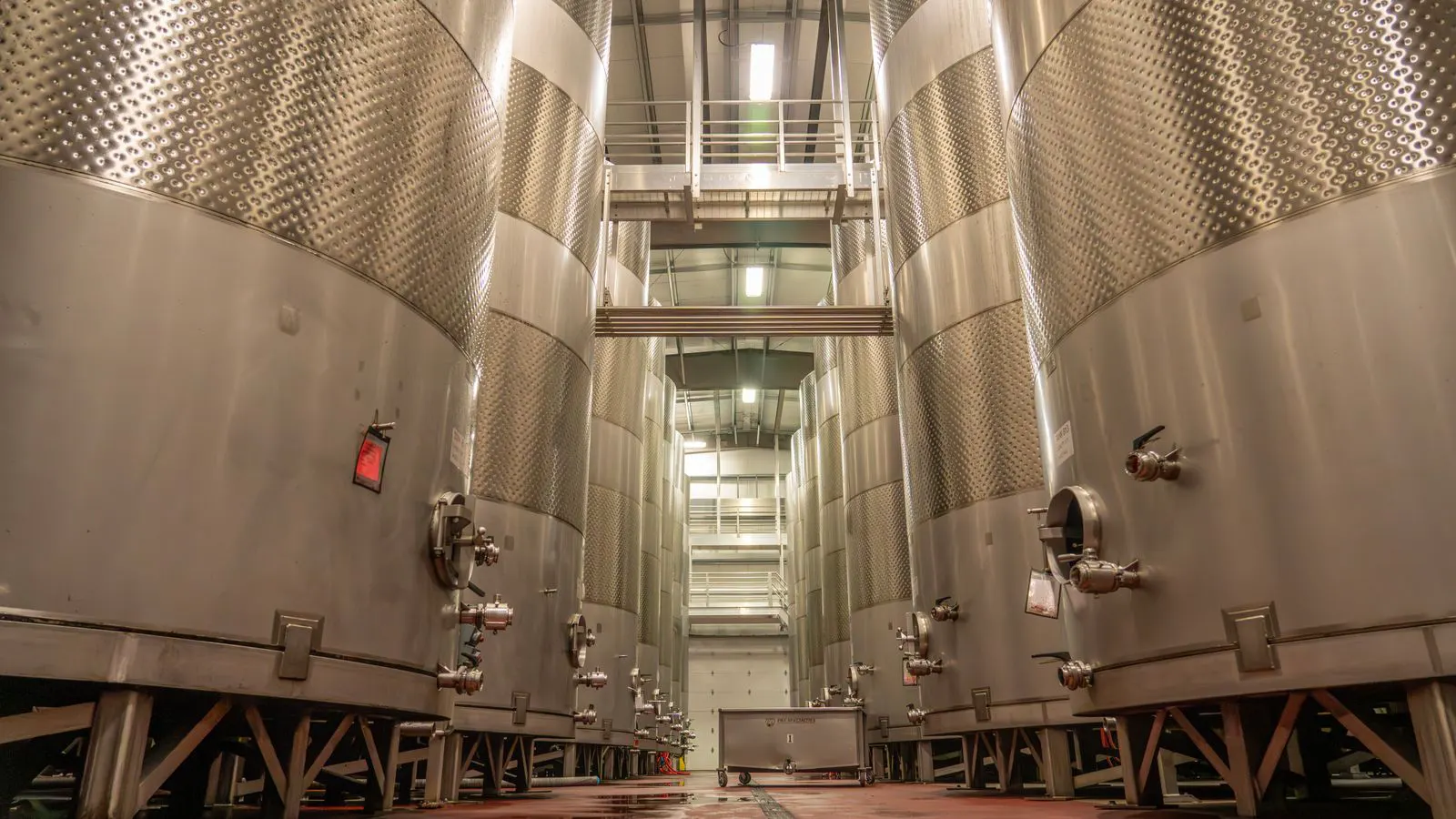
This checklist helps engineers and importers verify stainless steel mill certificates. It covers document checks, chemical composition, heat traceability, and red flags to prevent material substitution or grade errors before fabrication.
- Match the mill certificate heat number to the material tag and purchase order to confirm traceability.
- Verify the chemical composition ranges against the specified grade before releasing the material.
- Check for mismatched heat numbers, altered documents, or missing heat treatment records.
- Store certificates in a system that links each coil or sheet to its final project.
- Treat missing or inconsistent documentation as a stop-work signal.
Why Mill Certificates Matter Before Fabrication
Stainless steel grade selection drives corrosion resistance, weldability, and long-term maintenance costs. A mill certificate is the paper trail that ties the physical sheet to its stated chemistry. When a coil arrives at a fabrication shop, the certificate is the first document the QA team inspects.
The goal of this checklist is simple. Confirm that the stainless steel you received is the material you specified. This matters most for imported sheet, recycled stock, or suppliers that have changed ownership. A small chemistry drift can change the corrosion behavior of a tank, a valve, or a medical tray.
Use this list as a repeatable audit. It is organized by theme: document identity, chemical data, traceability, and red flags. Each item includes what to verify and why it matters.
Document Identity and Supplier Details
Start with the physical and digital file. A mill certificate should identify the supplier, the mill, and the transaction. Do not accept a generic label that only says “stainless steel.”
- Confirm the supplier name and address on the certificate match the purchase order.
- Check the mill name and location. For imported material, verify the mill is an authorized producer of the stated grade.
- Verify the date of issue. A certificate dated after shipment or after a long storage period may indicate a reissue.
- Match the certificate number to the material tag on the coil or sheet.
- Check for a unique lot or heat number. This number should appear on the certificate, the tag, and the transport paperwork.
A common mistake is accepting a certificate that lists a supplier but not the actual mill. If the supplier is a trader, ask for the original mill document. A trader can pass a good product, but they cannot vouch for the chemistry.
Chemical Composition and Grade Verification
The heart of the certificate is the chemical analysis. Stainless steel grades are defined by percentage ranges of elements like chromium, nickel, molybdenum, and carbon. The certificate should show the actual measured values, not just the grade name.
Use the table below as a quick reference for what to look for.
| Grade | Key Elements to Verify | Typical Use in Sheet Fabrication |
|---|---|---|
| 304 | Chromium, Nickel, Carbon | General purpose, food service, architectural |
| 316 | Chromium, Nickel, Molybdenum, Carbon | Chemical service, marine, high corrosion |
| 304L | Chromium, Nickel, Carbon (low) | Welding, thin gauge, reduced sensitization |
| 316L | Chromium, Nickel, Molybdenum, Carbon (low) | Welded chemical equipment, marine |
| 430 | Iron, Chromium (low nickel) | Decorative, automotive, low cost |
When reviewing the numbers, compare them against the specification you issued. Do not rely on a grade name alone. Two suppliers may both label a coil “316,” but one may sit near the low end of the molybdenum range while the other sits near the high end. That difference can matter in chloride-rich environments.
Look for these data points on the certificate:
- Chromium percentage
- Nickel percentage
- Molybdenum percentage, if present
- Carbon percentage
- Nitrogen, if reported
- Silicon and manganese, if reported
If the certificate lists only the grade and no numbers, request the full analysis. A missing analysis is a red flag. It means the supplier is not holding the material to a documented chemistry.
Heat Traceability and Physical Tags
Traceability is the link between the document and the metal. Without it, you cannot prove what went into a finished part. This is critical for audits in food, medical, aerospace, and energy sectors.
- Check that the heat number on the certificate matches the heat number on the material tag.
- Verify the tag is attached to the coil or sheet bundle.
- Confirm the tag shows the same quantity, dimensions, and grade as the certificate.
- Look for a unique serial number if the supplier provides one.
- Record the heat number in your materials management system before the material is cut.
A frequent error in import projects is a mismatch between the container paperwork and the mill certificate. The container may list a general description, while the certificate lists a specific heat. If the heat number on the tag does not match the certificate, stop. Do not cut the material. Request a corrected certificate or a new analysis.
Heat traceability also protects you in a dispute. If a corrosion failure appears five years later, you need to know which heat went into which project. The certificate is the first evidence.
Welding and Forming Records
Some stainless steel sheets require heat treatment, pickling, or passivation. The mill certificate may not cover these processes. You need a separate document or a supplier statement that confirms the material was prepared as specified.
- Check for a heat treatment record if the specification requires it.
- Verify the pickling and passivation certificate for food-grade or chemical applications.
- Confirm the surface finish matches the order, such as 2B, No. 4, or polished.
- Check for any mechanical testing results if the application requires proof load or elongation data.
A common red flag is a certificate that lists the chemistry but not the surface condition. If you ordered a passivated sheet for a medical tray and the certificate only mentions the alloy, the surface may not meet your cleaning and inspection requirements.
Forming also affects the material. Cold working can raise hardness and reduce ductility. If the specification calls for annealed material, confirm the mill certificate states the condition. Do not assume that a grade name implies a softness.
Red Flags and When to Stop
Some issues are minor. Others are deal breakers. Use the list below to decide when to escalate.
- Grade mismatch. The certificate says 304, but the purchase order says 316. Stop. Do not use the material.
- Missing chemical analysis. The certificate lists the grade but no element percentages. Request the full report.
- Heat number mismatch. The tag and certificate do not agree. Return the material or request a corrected document.
- Altered appearance. The certificate has smudges, missing pages, or a font that differs from other documents from the same supplier. Request a reprint or a digital copy.
- No supplier signature or stamp. The document may be an internal memo rather than a formal mill certificate. Ask for the original.
- Date inconsistency. The certificate date is after the shipment date. This may indicate a reissue or backdating.
- Quantity mismatch. The certificate shows 5,000 kg, but the tag shows 4,800 kg. Verify the weight before releasing the material.
Treat any of these as a hold. In high-risk projects, the cost of a hold is far lower than the cost of a failed part.
How to Store and Track Certificates
A certificate is only useful if you can find it later. Keep a simple system.
- Scan the certificate into a project file.
- Name the file with the heat number and the project code.
- Store the original paper in a fireproof cabinet or a secure digital vault.
- Link the file to the material master in your ERP or job costing system.
- Keep a log of who received the material and who verified the certificate.
For imported projects, keep the original certificate in the shipping container or in the supplier’s records. A copy is fine for day-to-day use, but the original may be needed for a dispute.
A practical tip: photograph the material tag before unloading. If the tag is removed during cutting, you want a record of the heat number. This photo, combined with the certificate, creates a short chain of custody.
Final Verification Before Release
Before releasing the stainless steel to production, run a final check.
- The certificate matches the purchase order grade.
- The chemical analysis is present and within spec.
- The heat number is on the tag, the certificate, and the log.
- The surface finish matches the order.
- The quantity and weight match the shipping documents.
- The file is saved in the project folder.
If all six items are true, release the material. If any item is false, hold the material and contact the supplier. This final step prevents a small paperwork error from becoming a big fabrication problem.
Common Questions About Mill Certificates
Q: Can a supplier provide a generic certificate for multiple heat numbers?
A: No. Each heat number should have its own certificate or a certificate that lists each heat with its own chemistry. A generic document does not provide traceability.
Q: What if the certificate is in a different language?
A: Request an English translation. The key fields must be clear: grade, heat number, chemical analysis, and weight. If the translation is unclear, do not release the material.
Q: Do I need a certificate for small sample pieces?
A: Yes. Even for samples, the heat number and grade should be documented. This helps confirm that the sample represents the production material.
Q: Can I accept a digital certificate instead of a paper one?
A: Yes, if it is signed and includes the same data as a paper certificate. A PDF with a supplier signature and a unique file name is acceptable for most projects.
Q: What should I do if the heat number is missing?
A: Do not cut the material. Contact the supplier for a corrected tag or a new certificate. Without the heat number, you cannot verify the chemistry or track the material.
Frequently asked questions
Can a supplier provide a generic certificate for multiple heat numbers?
No. Each heat number should have its own certificate or a certificate that lists each heat with its own chemistry. A generic document does not provide traceability.
What if the certificate is in a different language?
Request an English translation. The key fields must be clear: grade, heat number, chemical analysis, and weight. If the translation is unclear, do not release the material.
Do I need a certificate for small sample pieces?
Yes. Even for samples, the heat number and grade should be documented. This helps confirm that the sample represents the production material.
Can I accept a digital certificate instead of a paper one?
Yes, if it is signed and includes the same data as a paper certificate. A PDF with a supplier signature and a unique file name is acceptable for most projects.
What should I do if the heat number is missing?
Do not cut the material. Contact the supplier for a corrected tag or a new certificate. Without the heat number, you cannot verify the chemistry or track the material.


