Laser cutting excels in speed and fine detail for thin sheet metals, while waterjet cutting handles thick, abrasive, or heat-sensitive materials without a heat affected zone. Choosing between them depends on material thickness, required edge quality, and production volume.
- Laser cutting is faster and more economical for thin sheet metals but creates a heat affected zone.
- Waterjet cutting preserves material integrity for thick or sensitive materials but runs slower and costs more.
- Edge quality depends on the material and process; waterjet avoids thermal distortion.
- Selecting the right method depends on part specifications, material thickness, and volume.
Why Choose Between Laser and Waterjet Cutting
Engineers and procurement teams often face a binary decision when selecting a cutting method for sheet metal parts. The choice between laser and waterjet cutting shapes the final part geometry, production cycle time, and total cost. Both processes offer high precision, but they operate on fundamentally different principles. Laser cutting uses concentrated light energy to vaporize material. Waterjet cutting uses a high-pressure stream of water, often mixed with an abrasive garnet, to slice through the workpiece.
The decision is rarely about which method is “better” in isolation. It is about matching the process to the part’s material, thickness, and quality requirements. A thin stainless steel bracket for a consumer device may benefit from laser cutting. A thick titanium plate for an aerospace component may require waterjet. Understanding the technical trade-offs allows buyers and designers to specify the correct process early in the design phase, reducing rework and lead time.
How the Cutting Processes Differ
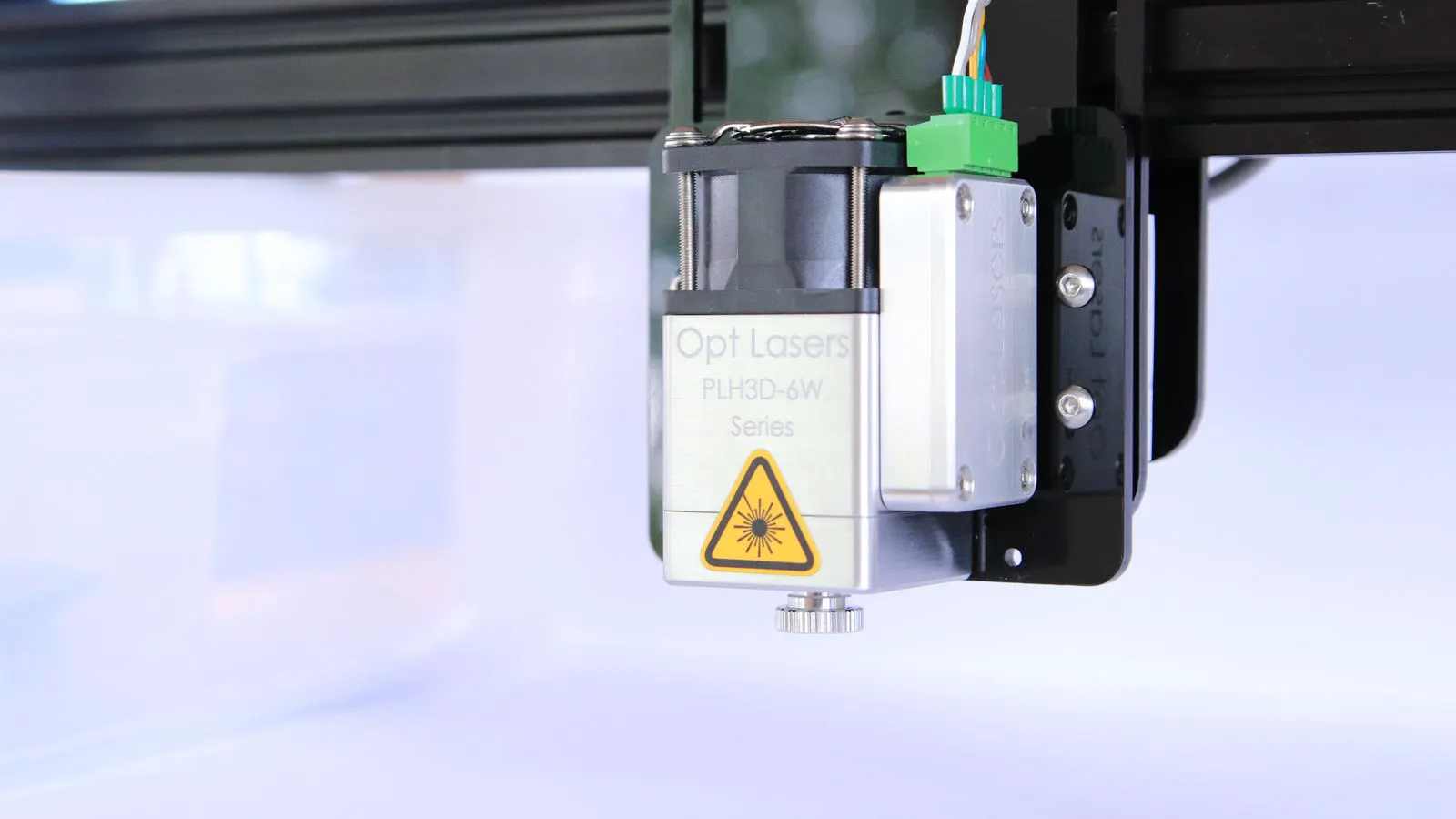
Laser cutting is a thermal process. The laser beam melts or vaporizes the metal, and a gas assist, such as nitrogen or oxygen, blows the molten material out of the cut. The quality of the cut depends on the laser power, the gas flow rate, and the material reflectivity. Aluminum and copper are reflective and require specific laser settings. Stainless steel and mild steel are easier to cut with standard laser parameters.
Waterjet cutting is a mechanical process. A pump drives water through a nozzle at extreme pressure. When an abrasive is added, the stream acts like a miniature sandpaper, eroding the material. The waterjet stream does not apply heat to the material. This means the material’s microstructure and mechanical properties remain unchanged around the cut edge. The process is slower than laser cutting because the material must be physically removed rather than melted away.
Comparison Table: Laser vs Waterjet
The table below summarizes the core differences between the two methods.
| Option | Best for | Limitations |
|---|---|---|
| Laser Cutting | Thin sheet metals, high volume production, intricate designs, mild steel and stainless steel | Creates a heat affected zone, struggles with reflective materials like aluminum and copper, limited to moderate thicknesses |
| Waterjet Cutting | Thick materials, heat sensitive materials, abrasive materials, high precision without thermal distortion | Slower cut speeds, higher operating costs, requires abrasive maintenance, more complex setup |
Edge Quality and Finish
Edge quality is a primary concern for engineers. The finish of a cut determines whether a part needs secondary machining or deburring.
Laser cutting produces a smooth edge, but it is not always perfect. The heat from the laser causes a slight melting and resolidification of the material near the cut line. This creates a heat affected zone, or HAZ. The HAZ can be a thin, brittle layer that is prone to cracking. In thick materials, the laser beam diverges, causing the cut to taper. This taper, or dross, requires grinding or filing to remove. For thin sheet, the HAZ is minimal and often acceptable for most applications.
Waterjet cutting produces a clean, burr-free edge. Because there is no heat, there is no HAZ. The edge is slightly rougher than a laser cut, especially with abrasive garnet. The roughness depends on the cut depth and the material type. Thicker cuts have a rougher edge. However, the absence of a HAZ is a significant advantage for materials that undergo heat treatment or that require high dimensional stability.
Material Thickness and Range
Material thickness is a deciding factor. Laser cutting systems are highly efficient at cutting sheet metals from a few millimeters up to about 20 or 25 millimeters. Beyond this range, the cut speed drops significantly, and the quality of the edge degrades. The laser beam must penetrate the material, and the power required to do so increases with thickness.
Waterjet cutting handles a much wider range of thicknesses. It can cut materials from a few millimeters up to several hundred millimeters. The cut speed is slower, but the process remains consistent. For very thick materials, such as steel plates over 50 millimeters, waterjet is often the only feasible option for complex shapes. Laser cutting may be used for simple, straight cuts, but waterjet is preferred for contoured parts.
Production Speed and Cost
Laser cutting is faster than waterjet cutting. This speed advantage makes laser cutting more economical for high volume production. When a part is cut many times, the lower cycle time per part reduces the total manufacturing cost. The equipment and operating costs for laser cutting are also generally lower than for waterjet.
Waterjet cutting is slower. The high-pressure water pump and abrasive system require more energy and maintenance. The cut speed is lower, and the setup time can be longer. For low volume or prototyping, the cost difference may be negligible. For high volume production, the speed advantage of laser cutting can offset its lower equipment cost. The total cost of ownership depends on the production volume and the material being cut.
When to Pick Each Method
Selecting the right cutting method requires looking at the part’s specifications.
Choose laser cutting when:
- The material is thin or medium thickness sheet metal.
- High volume production is required.
- The design has intricate details or small features.
- The material is mild steel or stainless steel.
- A smooth edge is needed for assembly or cosmetic purposes.
Choose waterjet cutting when:
- The material is thick or abrasive.
- The material is heat sensitive, such as aluminum, copper, or certain alloys.
- A heat affected zone must be avoided.
- High dimensional accuracy is required.
- The part is a prototype or low volume production run.
Practical Design Considerations
Designers must consider the cutting method when creating flat patterns. For laser cutting, the design should account for kerf, the width of the cut. The kerf varies by material and thickness. Designers should leave enough material to ensure the part does not collapse or deform during cutting. Sharp internal corners are difficult to cut with a laser. The laser head has a minimum radius that it can follow. Designers should use fillets or chamfers to avoid these issues.
For waterjet cutting, the design should account for the abrasive stream’s path. The waterjet can cut complex shapes, but the stream’s pressure may cause material to shift if it is not supported. Designers should ensure the part is securely held during cutting. The edge quality is good, but the roughness may require a light abrasive or polishing pass if the part is subject to vibration or fatigue.
Conclusion
Laser and waterjet cutting are both advanced methods for sheet metal fabrication. Laser cutting is faster and more economical for thin sheet metals and high volume production. Waterjet cutting is better for thick, abrasive, or heat sensitive materials where edge quality and material integrity are critical. The choice depends on the part’s specifications, the material, and the production volume. By understanding the technical differences, engineers and buyers can select the right process and avoid costly mistakes.
Frequently asked questions
Can laser cutting handle aluminum?
Yes, but aluminum is reflective and requires specific laser settings. The cut quality can be lower than for steel, and the process is slower.
Does waterjet cutting create a heat affected zone?
No. Waterjet cutting is a cold process and does not apply heat to the material. This means there is no heat affected zone.
Which method is faster?
Laser cutting is generally faster than waterjet cutting, especially for thin sheet metals.
Can waterjet cutting handle very thick materials?
Yes. Waterjet cutting can handle much thicker materials than laser cutting, often up to several hundred millimeters.
Which method has a smoother edge?
Laser cutting typically produces a smoother edge than waterjet cutting, but it may have a heat affected zone. Waterjet cutting has a clean edge but may be slightly rougher.