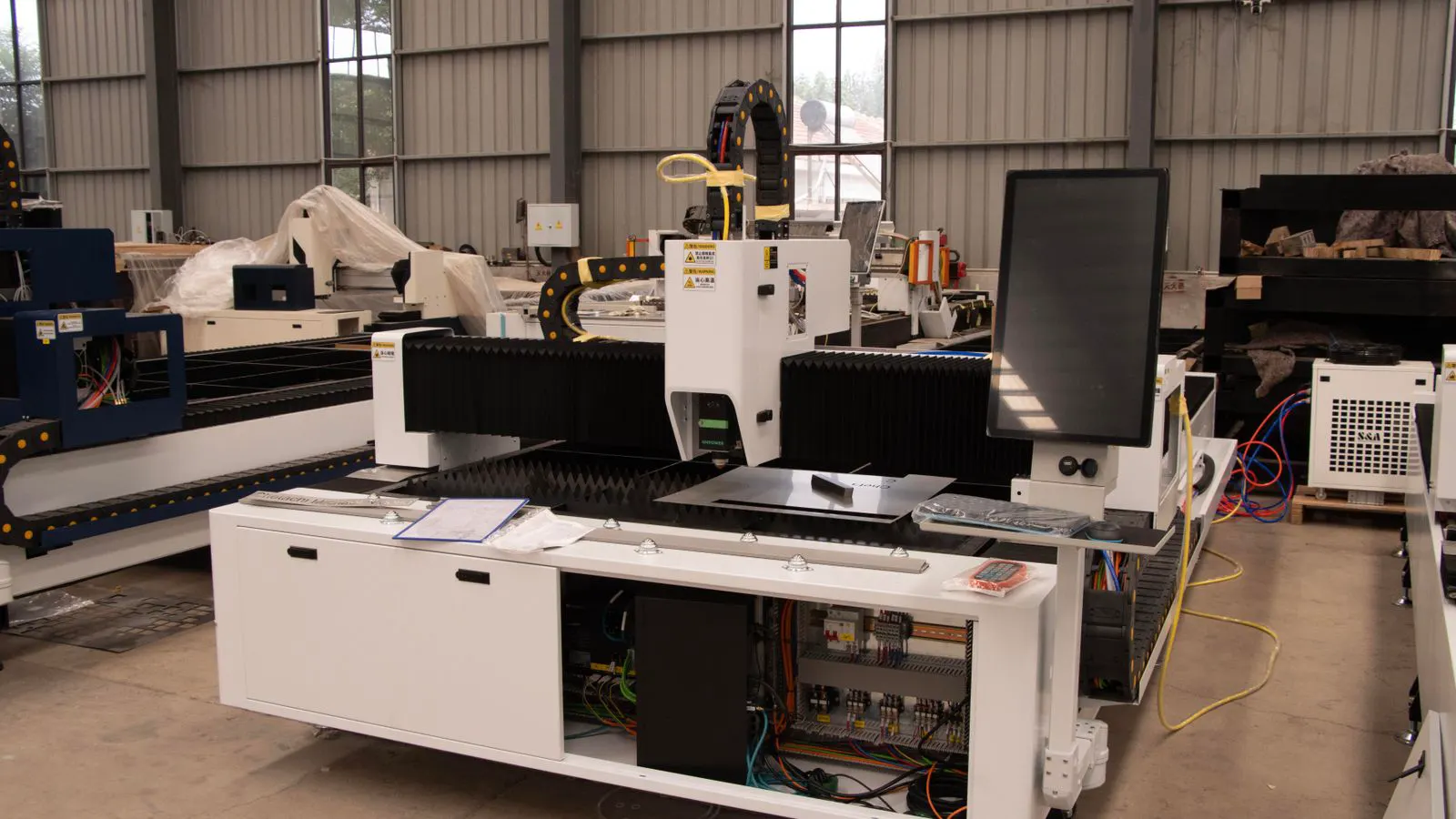
Laser cutting offers high speed for thin to medium stock, while waterjet handles thicker or sensitive materials without heat-affected zones. The final sheet metal cost factors include material thickness, tolerance requirements, and batch size.
- Laser cutting is faster and cheaper for standard thicknesses but struggles with heat-sensitive materials.
- Waterjet cutting adds cost and time but produces clean edges on thick or delicate metals.
- Batch size and part complexity drive the final metal fabrication cost more than the machine type.
- Design for the chosen process to reduce fabrication lead time and scrap rates.
Which cutting method saves money on standard parts?
Sheet metal cost factors depend heavily on the material thickness and the complexity of the geometry. For most standard aluminum, mild steel, and stainless steel parts under one inch thick, laser cutting usually holds the lower price point. The laser beam travels fast, and the machine can cut multiple parts from a sheet with high repeatability. Because there is no physical contact between the cutting tool and the metal, the process creates a narrow kerf and minimal waste.
This speed translates directly into lower machine hours. If a fabricator can run a batch of fifty brackets on a laser in two hours, the labor and equipment charge drops compared to a slower method. Consider a run of fifty brackets made from mild steel plate. The laser cuts the entire sheet in a fraction of the time required by a waterjet. The operator loads the sheet, runs the program, and the parts are ready for inspection within hours. The labor charge for the operator and the machine time charge are both lower because the cycle is shorter.
However, this assumes the material is compatible. Laser cutting uses a high-intensity beam to vaporize metal. This creates a heat-affected zone, or HAZ, on the cut edge. For carbon steel and many alloys, this is acceptable. The HAZ is usually a thin layer of slightly hardened metal. It is often removed during deburring or grinding. For anodized aluminum or parts requiring a specific surface finish, the heat may discolor the metal or alter its properties. If a component must retain a precise surface treatment, the heat from the laser beam can compromise the finish. In such cases, the laser may still cut the part, but the finish may require re-application or rejection.
How does waterjet cutting change the cost equation?
Waterjet cutting uses a high-pressure stream of water, often mixed with abrasive particles like garnet, to slice through the material. There is no heat involved. This makes waterjet the preferred choice for thick plate, heat-sensitive metals, or composites. The trade-off is cost. The waterjet machine operates at a slower speed than a laser. Cutting a half-inch aluminum plate might take significantly longer than doing the same job with a laser.
The abrasive media also adds to the metal fabrication cost. The abrasive wears down, requiring frequent replacement. The high-pressure pumps and nozzles consume energy and need maintenance. For a small batch of thin parts, the waterjet quote will almost always be higher. If you order ten small brackets made from thin aluminum, the waterjet machine will run for a long time. The cost per part will be higher than on a laser.
For a large batch of thick plates or complex shapes that require precise edges without heat damage, the waterjet price becomes competitive. Imagine a run of two hundred heavy-duty machine bases made from steel plate. The laser would need to make multiple passes or use a very high-power beam to cut through the thickness. This increases the cycle time. The waterjet cuts through the plate in one pass. The edge is clean and square. The higher upfront cost is offset by the ability to cut materials that a laser simply cannot handle without significant post-processing.
What impact does lead time have on the total price?
Fabrication lead time is a critical sheet metal cost factor. If a project is on a strict deadline, the cost of expediting can exceed the difference between two cutting methods. Laser cutting is generally faster. A job that takes a waterjet two days might finish in four hours on a laser. This speed is valuable when the part is the bottleneck in the assembly line.
However, lead time is not just about cutting speed. It includes file preparation, material sourcing, and post-processing. If the design requires waterjet because of material constraints, the lead time may be slightly longer, but it is the only viable option. Rushing a waterjet job is possible, but the base rate for expedited service often applies.
Buyers should factor in the total time from purchase order to delivery, not just the machine cycle time. A faster cutting process that requires extensive deburring or edge grinding might not deliver a part faster than a slower cutting process that produces a cleaner edge. For example, a laser-cut stainless steel part may have a darkened edge that requires grinding to remove the oxide layer. This adds hours to the production schedule. A waterjet-cut part may have a clean edge that is ready for assembly immediately. The waterjet may have taken longer to cut, but the total time to a finished part may be similar.
When should you choose one method over the other?
The decision between laser and waterjet comes down to a few specific criteria. Material thickness is the first. Lasers are highly efficient for thin to medium stock. Waterjet excels at thick plate where laser power becomes less effective or requires multiple passes. Material type is the second. If the part is made of a heat-sensitive alloy or has a finish that cannot survive heat, waterjet is the only option. Tolerance and edge quality are the third. Waterjet produces a very clean, square edge. Laser cuts are fast but may require deburring to achieve the same surface finish.
The following table summarizes the key trade-offs for buyers comparing these technologies.
| Option | Best for | Limitations |
|---|---|---|
| Laser Cutting | Thin to medium stock, high volume, standard alloys | Heat-affected zones, limited to certain materials, slower on very thick plate |
| Waterjet Cutting | Thick plate, heat-sensitive materials, no HAZ required | Slower cutting speed, higher consumable costs, abrasive waste management |
| Plasma Cutting | Very thick carbon steel, low budget projects | Wide kerf, rougher edge, heat-affected zone, limited to conductive metals |
| CNC Waterjet (Non-Abasive) | Delicate materials, no abrasive residue | Very slow speed, high equipment maintenance, limited to thin stock |
How does batch size affect the final quote?
Metal fabrication cost varies significantly based on whether you are ordering a prototype or a production run. For a single prototype, the setup costs are spread over one part. Both laser and waterjet have similar setup times, so the difference in machine cost is less pronounced. For a production run of five hundred units, the setup cost is amortized, and the per-unit cost drops.
Laser cutting benefits more from high volume. The speed advantage compounds with each additional part. If you need a thousand brackets, the laser will finish in a fraction of the time required by a waterjet. This reduces the holding cost of the work-in-progress. Waterjet remains a viable choice for high volume if the material thickness or type demands it. In that case, the higher per-unit cost is a function of material compatibility, not a penalty for the process itself.
Consider a prototype of a single sensor housing. The setup time for both methods is similar. The laser may be slightly more expensive per hour, but the cost difference is small. For a production run of ten thousand housings, the laser speed advantage becomes significant. The labor and machine time are lower. The total cost per unit drops. If the housing is made of a heat-sensitive polymer-composite, the waterjet is the only option. The higher cost is unavoidable.
What design choices lower the cost?
Design for the process. This is one of the most effective ways to reduce sheet metal cost factors. If a part requires a very tight tolerance on a thin sheet, the cutting process must be precise. Laser and waterjet are both precise, but the post-processing requirements differ. Waterjet edges are often smooth enough for assembly without deburring. Laser edges may require a light pass to remove the heat-affected zone and any burr.
Avoid unnecessary complexity. Sharp internal corners are harder to cut with a laser due to the beam diameter. Waterjet handles sharp corners more easily but still requires a minimum radius based on the nozzle size. If a part has a complex profile, the cutting time increases. Simpler shapes cut faster and cost less.
By reviewing the geometry before sending the file to the fabricator, you can identify areas that will drive up the fabrication lead time and the final price. For example, if a part has a series of very narrow slots, the laser beam may not fit through the narrow gaps without burning the adjacent material. The waterjet can handle these gaps more easily. If you change the design to widen the slots or remove them entirely, you can reduce the cutting time and the cost.
How to evaluate the quote
When reviewing a quote, ask for a breakdown of the cutting cost. A transparent vendor will separate the machine charge from the material cost and the finishing cost. This allows you to see if the cutting method is driving the price or if it is the material. If the quote is high, ask if a different cutting method could achieve the same result. Sometimes a part designed for waterjet can be manufactured on a laser if the material constraints are relaxed.
Always confirm the tolerance specifications. A tighter tolerance increases the cost regardless of the cutting method. If the drawing specifies a tolerance of plus or minus one thousandth of an inch, the machine must be calibrated more precisely. This may require slower cutting speeds or multiple passes. These steps increase the cycle time and the cost. If the tolerance is relaxed to plus or minus one hundredth of an inch, the cost drops.
Ask about the post-processing requirements. If the quote includes deburring, grinding, or painting, ask for a breakdown of those costs. Sometimes the cutting method is not the main driver of the price. The finishing costs may be higher than expected. If the part requires painting, the edge quality may not matter as much. In that case, a faster, cheaper cutting method may be sufficient.
Final Selection Criteria
Choose laser cutting when speed, thin-to-medium thickness, and standard materials are your priorities. Choose waterjet cutting when thick plate, heat-sensitive materials, or high edge quality without heat are required. The final sheet metal cost factors are not just the price per square inch. They include the lead time, the post-processing steps, and the risk of part failure due to heat damage. By matching the cutting technology to the part requirements, you avoid unnecessary costs and delays.
Frequently asked questions
Is laser cutting always cheaper than waterjet cutting?
No, laser is generally cheaper for thin to medium stock. Waterjet becomes more cost-effective for thick materials or when heat damage must be avoided, as it eliminates the need for post-processing.
How does material thickness affect the choice between laser and waterjet?
Lasers are faster and more efficient for thinner sheets. Waterjets are better suited for thick plate where laser power is less effective or where multiple passes would be required.
Can waterjet cutting be used on non-metal materials?
Yes, waterjet cutting is used for a wide variety of materials, including plastics, rubber, and composites, in addition to metals.
What is the main drawback of waterjet cutting?
The primary drawbacks are slower cutting speeds and the higher cost of abrasive media and equipment maintenance compared to laser cutting.
How do tolerances influence the metal fabrication cost?
Tighter tolerances require more precise cutting and often additional finishing steps, which increases both the cost and the fabrication lead time.


