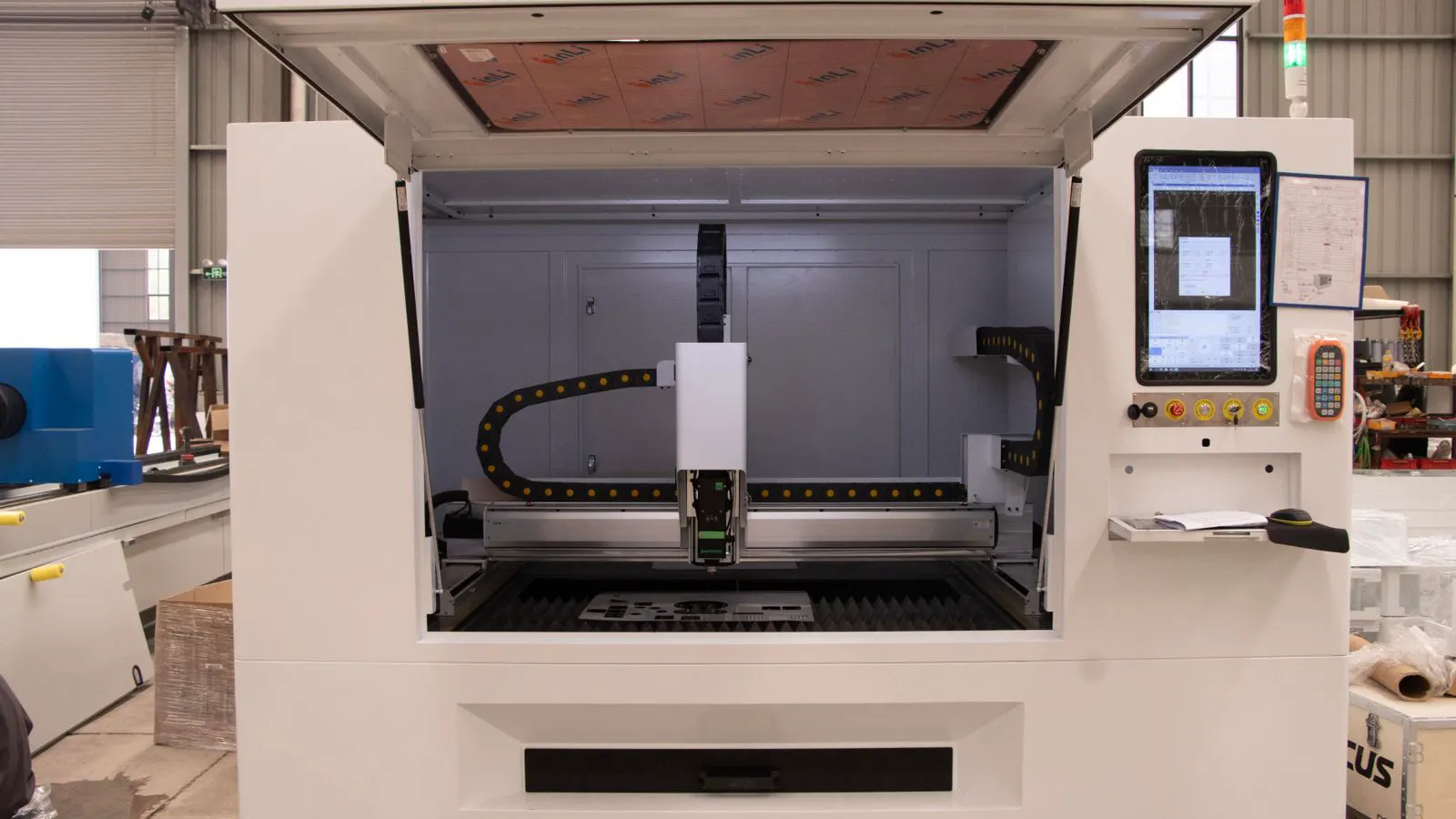
Laser vs plasma cost varies by material thickness, complexity, and volume. Laser generally offers tighter tolerances and faster production for thin to medium stock. Plasma handles thicker sections at a lower per-part cost. The final price depends on setup fees, nesting efficiency, and delivery speed.
- Laser cutting is typically more expensive per hour than plasma but yields finer edges and tighter tolerances.
- Plasma cutting is more economical for thicker materials and high-volume production runs.
- Setup charges and nesting efficiency heavily influence the final invoice for mid-range jobs.
- Lead time depends on machine capacity, material availability, and post-processing requirements.
- A detailed RFQ with material specs and quantity prevents quote discrepancies between vendors.
What Drives the Final Price
The price of a sheet metal part is rarely determined by the cutting method alone. When comparing laser versus plasma, the base rate is only the starting point. You must look at the full cost structure to understand the true difference.
Laser cutting uses a high-power beam to vaporize metal. Plasma cutting uses an ionized gas stream to melt the material. Both require material, machine time, and labor. However, the machine rates differ significantly. Lasers generally command a higher hourly rate because of the high cost of maintenance and energy. Plasma machines are less expensive to run per hour.
For mid-range jobs, which typically involve moderate complexity and small to medium batch sizes, the cost calculation gets complex. You are paying for the cut, but also for the setup. Setup includes programming the file, aligning the material, and running test cuts. If your design has many different part sizes, the nesting software must pack them efficiently onto the sheet. Poor nesting wastes material, which raises the price.
Consider a job that requires 500 units of 0.5mm stainless steel. Laser cutting will be faster and cleaner, but the material cost for stainless is higher than carbon steel. Plasma cutting might take longer to program for such thin material because the kerf is wider, but the machine rate is lower. If the job involves 5mm carbon steel, plasma becomes the more attractive option because laser costs escalate with thickness.
The material itself is a major factor. Carbon steel is the cheapest to process. Stainless steel and aluminum require different gas settings and often higher machine power, which increases the cost. If you are switching from carbon steel to stainless, the price jump for plasma is usually less than the jump for laser.
How Lead Time Works
Lead time is not just about how fast the machine cuts. It is the sum of every step between receiving your CAD file and shipping the finished part.
A typical lead time includes several stages:
- File review and approval.
- Material procurement or inventory check.
- Setup and nesting.
- Cutting.
- Deburring and finishing.
- Quality inspection.
- Packaging and shipping.
Laser cutting is often faster in the cutting phase because the beam moves quickly and requires less manual intervention. Plasma cutting is slower per part, especially for intricate geometries. However, plasma machines can handle thicker stock without changing the head, whereas lasers may require different optics or power adjustments.
If you need a part in a hurry, laser has an advantage. It can often start cutting sooner after file approval because the setup is simpler. Plasma may require more time to stabilize the gas flow and test the arc on the specific material thickness.
For mid-range jobs, lead time is often the deciding factor. If your production line is waiting on a bracket or a panel, a 2-day delay from plasma can cost more in lost output than the premium paid for laser. Conversely, if the part is for a non-urgent inventory build, the savings from plasma may outweigh the time difference.
Check the fabricator’s current backlog. A shop may have an open laser bay but a full plasma schedule. You must ask about specific dates, not just general turnaround times.
How to Write a Clear RFQ
A vague request for a quote leads to a vague quote. If you ask for “plasma or laser” without specifying the material and quantity, the vendor will have to make assumptions. They will usually quote the safer, more expensive option to avoid losing money.
To get an accurate comparison, your RFQ must include the following details:
- Material: Grade, thickness, and surface finish. For example, “1.6mm 304 Stainless Steel, mill finish.”
- Quantity: Total number of parts. Note if the quantity is an estimate or a fixed number.
- CAD Files: Provide DXF, DWG, or STEP files. Ensure the files are clean and have no open gaps.
- Tolerances: State your required dimensional tolerance. Laser can hold tighter tolerances than plasma.
- Finishing: Specify if you need deburring, bending, painting, or coating.
- Delivery Date: Include the required date. If it is flexible, say so.
Do not ask for “laser vs plasma cost” in the subject line. Ask for a quote based on your specific requirements. Let the vendor tell you which method they recommend and why. If you force them to quote both, you may get two numbers that are not directly comparable because of different setup assumptions.
Include a note about your budget constraints if they are tight. This helps the vendor suggest a material substitution or a slightly looser tolerance that might reduce the cost.
How to Compare Quotes Fairly
Two quotes for the same part can look different for valid reasons. Do not simply pick the lowest number. You need to break down the quote into its components.
Ask the vendor to itemize the costs:
- Material cost.
- Setup fee.
- Cutting charge (per hour or per part).
- Finishing cost.
- Shipping cost.
If Quote A is $500 and Quote B is $550, look at the breakdown. Quote A might have a high setup fee but a low cutting rate. Quote B might have a low setup fee but a higher cutting rate. For a one-time job, the setup fee matters more. For a recurring job, the cutting rate matters more.
Also compare the lead time. If Quote A is 5 days and Quote B is 10 days, you must value that time. If your project is delayed, Quote B is not cheaper, it is more expensive in terms of risk.
Check the tolerance. If Quote B is plasma and Quote A is laser, Quote B might have a wider tolerance. If your part needs to fit into a housing with a tight clearance, the plasma part might require rework. That rework cost is hidden in the quote.
Material Thickness and Method Selection
The thickness of your stock is the single biggest factor in deciding between laser and plasma.
Thin materials, typically under 2mm, are best suited for laser. The beam is precise, the edge is clean, and the heat-affected zone is small. Plasma on thin material can be imprecise due to the wider kerf and the risk of melting or warping.
Mid-range thickness, from 2mm to 6mm, is where the decision is tricky. Both methods work well here. Laser is faster and cleaner. Plasma is cheaper. If your part has fine details, choose laser. If your part is a large panel with simple shapes, choose plasma.
Thick materials, over 6mm, strongly favor plasma. Laser cutting thick steel is slow and expensive. The beam has to penetrate a large amount of material, which generates significant heat and requires high power. Plasma is designed to cut through thick sections efficiently.
If you are unsure, ask the fabricator to run a test cut. For small jobs, the cost of a test cut is low. It gives you a physical sample to inspect for edge quality, taper, and burr. This is more useful than any theoretical comparison.
Setup and Nesting Impact on Cost
The cost of cutting is not just the time the machine runs. It is the time before and after. Setup involves loading the material, setting the gas pressure, and running a calibration test. This takes labor.
Nesting is the process of fitting your parts onto the sheet to maximize material usage. If your parts are small and numerous, nesting is critical. A good nesting algorithm can save 10-20% of material. A poor one wastes half the sheet.
Ask the vendor about their nesting software. Do they offer free nesting? Or is it a charge? If they charge for nesting, make sure it is included in the quote. If they do not, the material cost will be higher because they will charge for the entire sheet, not just the used area.
For mid-range jobs, the setup fee is often a fixed amount, not an hourly rate. This means that a job with 100 parts has a lower setup cost per part than a job with 10 parts. If you can increase your quantity, the per-unit cost drops.
Final Considerations for Buyers
When selecting a method for cost and lead time, you must balance quality, budget, and schedule. Do not choose the method that is always cheapest. Choose the method that fits your project.
If the part is a critical component where tolerance is tight, pay for laser. If the part is a structural element where a 1mm error is acceptable, use plasma.
If you have a tight deadline, ask for laser even if it costs more. If you have a buffer, use plasma to save money.
Always get a written quote that states the method, the material, the quantity, and the delivery date. Keep the CAD file version number in your records. If you change the design later, you will need a new quote.
The difference between laser and plasma is not just a technical debate. It is a business decision. Understand the cost drivers, write a clear RFQ, and compare quotes by looking at the total cost of ownership, not just the price on the invoice.
Frequently asked questions
Is laser cutting always more expensive than plasma?
No. Laser is typically more expensive per hour, but for thin materials or small parts, the difference may be negligible. Plasma becomes significantly cheaper for thicker materials and high-volume jobs.
How does material thickness affect the choice of method?
Thin materials favor laser for precision. Thick materials favor plasma for speed and cost. Mid-range thickness requires a comparison of tolerance requirements and budget.
What is the biggest cost driver in sheet metal fabrication?
Material cost and nesting efficiency are often the largest factors. Setup fees and finishing processes also add significant value to the final price.
Can I ask a vendor to quote both laser and plasma for the same part?
Yes, but the quotes may not be directly comparable. Ask for the method recommendation based on your tolerance and quantity requirements to get a fair comparison.
How much lead time should I expect for mid-range jobs?
Lead time varies by shop and material availability. Typically, 3 to 10 days is common for standard jobs. Laser may be faster for urgent requests due to simpler setup.


