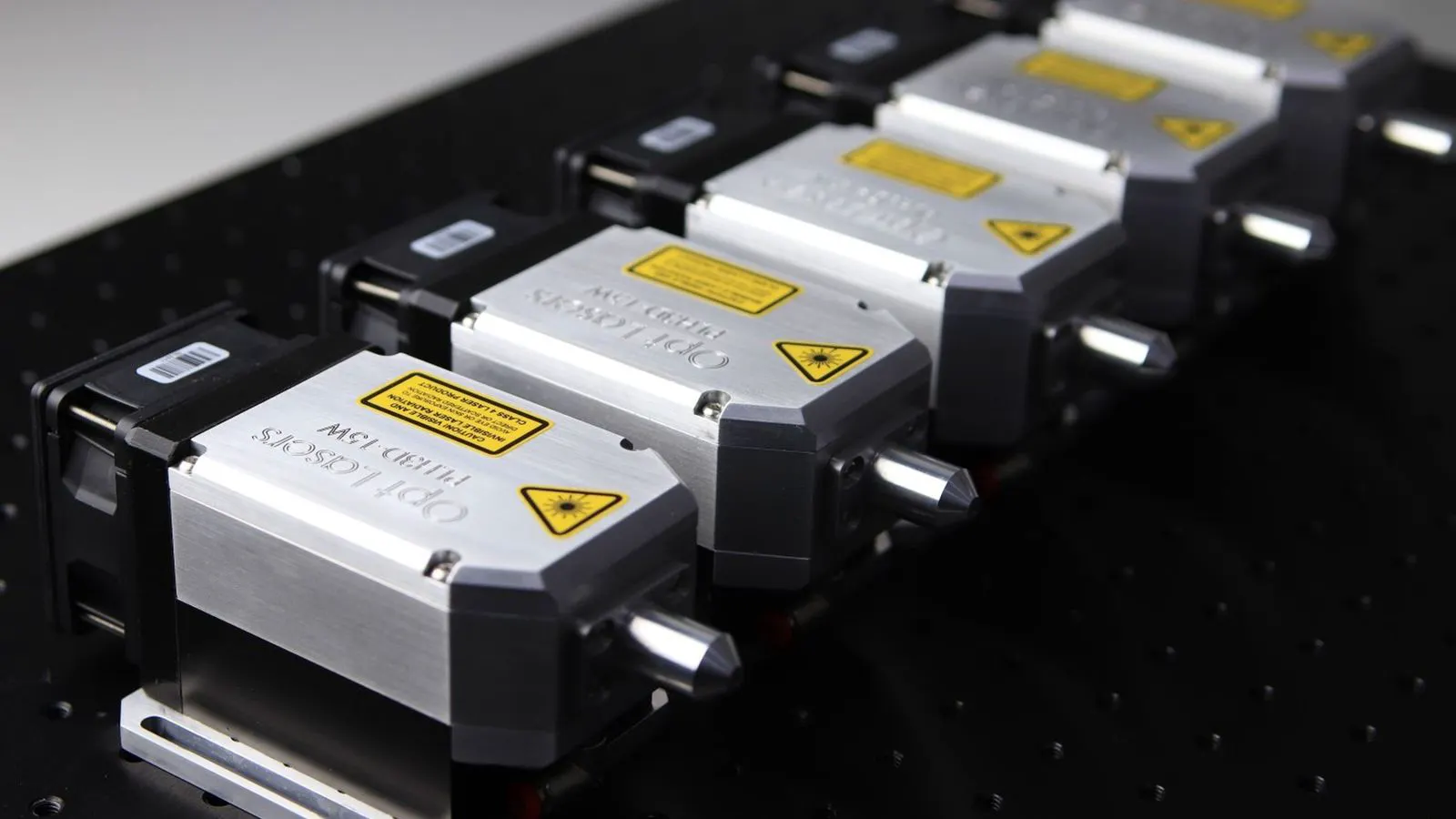
Laser cutting usually costs more upfront but delivers faster and with tighter tolerances. Oxy-fuel cutting is cheaper for thick steel but requires longer lead times due to slower speeds and secondary finishing.
- Laser cutting increases per-hour machine cost but reduces overall job time and secondary finishing labor.
- Oxy-fuel cutting is more economical for thick steel plates where laser speed drops significantly.
- Lead time differences are driven by cutting speed, kerf width, and the need for post-cut grinding.
- Design features such as minimum feature size and hole count heavily influence the final quotation for either method.
- Always ask the fabricator for a breakdown of machine time, finishing, and material costs.
Why the Method Matters for Your Budget
The choice between laser and oxy-fuel cutting is rarely about which machine is “better.” It is a direct trade-off between machine operating costs, cutting speed, and the amount of finishing work required after the cut. For a buyer or engineer, this decision determines the final invoice and the delivery date.
A laser cutter uses a focused beam to melt and blow away material. It operates at high speeds and produces a clean edge. An oxy-fuel cutter uses a high-temperature flame to heat steel and oxygen to burn away the metal. It is a slower process but can handle much thicker materials with lower machine costs per hour.
When you request quotes, the fabricator will price these differently. A laser job may have a higher machine rate but a shorter total production time. An oxy job may have a lower machine rate but a longer production time and extra labor for grinding the dross. Understanding these variables helps you predict where the cost and lead time will come from.
How Machine Rates and Speeds Affect Price
The base cost of cutting is usually calculated in minutes of machine time or per linear foot. Laser machines typically command a higher rate because the laser head, control systems, and maintenance are expensive. However, the speed of the laser is much faster than an oxy torch.
For thin to medium thicknesses, such as 0.25 inch to 1 inch of carbon steel, a laser cutter can process a part in a fraction of the time an oxy torch can. This speed advantage often outweighs the higher machine rate. The part is cut, the kerf is narrow, and the edge is ready for bending or welding without grinding.
Oxy-fuel cutting has a lower machine rate, but the speed is limited by the material thickness. As the steel gets thicker, the flame must be larger and the oxygen flow must increase. The cutting speed drops significantly. For a 1-inch plate, the difference is manageable. For a 2-inch plate, the laser may be too slow to be competitive, and the oxy torch becomes the faster option despite its lower precision.
Lead Time Factors and Production Scheduling
Lead time is not just about how fast the cut happens. It is about the total time from CAD file release to finished part. Laser cutting often has shorter lead times because the process is clean and automated. The operator can load the file, start the cut, and move to the next part.
Oxy-fuel cutting introduces delays. The torch must be set up, aligned, and tested for each part or material thickness. The cut is slower, and the edge requires grinding to remove the dross and scale. This finishing step is manual and adds labor hours to the schedule.
If you need a batch of parts quickly, a laser cutter can run multiple jobs back-to-back. An oxy cutter may have to wait for the grinding crew to finish the previous batch. This creates a bottleneck. For urgent projects, the laser’s continuous operation is a significant advantage.
Thickness and Material Limits
The material thickness is the deciding factor for many projects. Laser cutting is highly efficient for thinner sheets, typically up to 1 inch or 1.25 inch for standard carbon steel. Beyond this thickness, the laser speed drops, and the cost per part rises steeply.
Oxy-fuel cutting excels in thick steel. It can cut plates several inches thick without losing efficiency. For structural steel, heavy equipment, or thick gussets, oxy-fuel is often the only practical option. The cost per linear foot may be lower, and the speed is sufficient for the job.
Aluminum is another factor. Oxy-fuel cutting does not work on non-ferrous metals because aluminum does not burn in oxygen. Laser cutting works on aluminum, stainless steel, and copper, but the cost and speed vary by material. If your project involves non-ferrous metals, laser cutting is the default choice.
Comparison of Cost and Lead Time Options
The table below summarizes the key differences between laser and oxy-fuel cutting for typical sheet metal projects.
| Option | Best for | Limitations |
|---|---|---|
| Laser Cutting | Thin to medium thicknesses, complex geometries, non-ferrous metals | Higher machine rate, slower on thick steel, edge quality varies with material |
| Oxy-Fuel Cutting | Thick carbon steel, large plates, low-budget projects | Slower cutting speed, requires grinding, not possible on aluminum or stainless |
| Hybrid Approach | Mixed-material jobs, thick and thin parts in one project | Requires two machines, higher setup time, complex scheduling |
When to Choose Laser Cutting
Choose laser cutting when precision and speed are priorities. If your part has many small holes, tight tolerances, or complex contours, the laser will save time and money. The clean edge reduces the need for secondary operations, which lowers labor costs.
Laser cutting is also preferred for non-ferrous metals like aluminum and stainless steel. Oxy-fuel cannot cut these materials, so laser is the only option. For stainless steel, the laser produces a cleaner edge than plasma, though plasma can be a cost-effective alternative for thicker stainless.
If you are running a small batch or need a quick turnaround, laser cutting is often the better choice. The automation allows the fabricator to process multiple jobs quickly. The lead time is shorter, and the risk of errors is lower.
When to Choose Oxy-Fuel Cutting
Choose oxy-fuel cutting when you are working with thick carbon steel and cost is the primary driver. If the part is large and simple, with few small features, the lower machine rate of oxy-fuel can save money.
Oxy-fuel is also suitable for production runs where the part is not critical. If the edge will be ground anyway, or if the part will be painted over, the lower precision of oxy-fuel is acceptable. The cost per part is lower, and the lead time is manageable for non-urgent projects.
For very thick plates, oxy-fuel is often the only option. The laser would take too long to cut, making it prohibitively expensive. In these cases, the lead time is longer, but the cost is justified by the material thickness.
How to Reduce Costs and Lead Time
You can reduce costs and lead time by optimizing the design before sending it to the fabricator. Minimize the number of holes and small features. These take time to cut and can cause issues with both laser and oxy-fuel.
Use standard material thicknesses. Cutting from standard stock reduces waste and simplifies the process. If you need a custom thickness, the fabricator may have to order material, which adds lead time.
Ask the fabricator for a breakdown of the cost. Request the machine time, finishing labor, and material costs. This helps you understand where the price comes from and identify areas for optimization.
For lead time, provide clean CAD files. Avoid unnecessary details and use standard formats. This reduces the setup time for the machine. If you have urgent deadlines, discuss the option of partial production. You can receive the first batch quickly while the rest is cut.
Conclusion
The choice between laser and oxy-fuel cutting depends on the material, thickness, complexity, and urgency of the project. Laser cutting is faster and cleaner but more expensive per hour. Oxy-fuel cutting is cheaper and handles thick steel but is slower and requires finishing.
By understanding these trade-offs, you can make an informed decision that balances cost and lead time. Always request detailed quotes and discuss the specific requirements of your project. The right choice will save you money and ensure timely delivery.
Frequently asked questions
Which cutting method is cheaper for thin sheet metal?
Laser cutting is usually more expensive per hour but faster, so the total cost for thin sheet metal is often lower due to reduced finishing time.
Can oxy-fuel cutting handle aluminum?
No. Oxy-fuel cutting requires an oxidizable material like carbon steel. Aluminum does not burn in oxygen, so laser cutting is required for aluminum.
How does thickness affect the lead time?
Thicker material slows down both methods, but oxy-fuel slows down more significantly. Laser cutting speed drops sharply above one inch, while oxy-fuel speed is relatively stable for thick plates.
What is the main difference in edge quality?
Laser cutting produces a clean, smooth edge with minimal dross. Oxy-fuel cutting leaves a rough edge with dross that requires grinding before further fabrication.
Should I choose laser cutting for stainless steel?
Yes. Laser cutting is the preferred method for stainless steel because it is precise and clean. Oxy-fuel cannot cut stainless steel effectively due to its high melting point and oxidation resistance.


