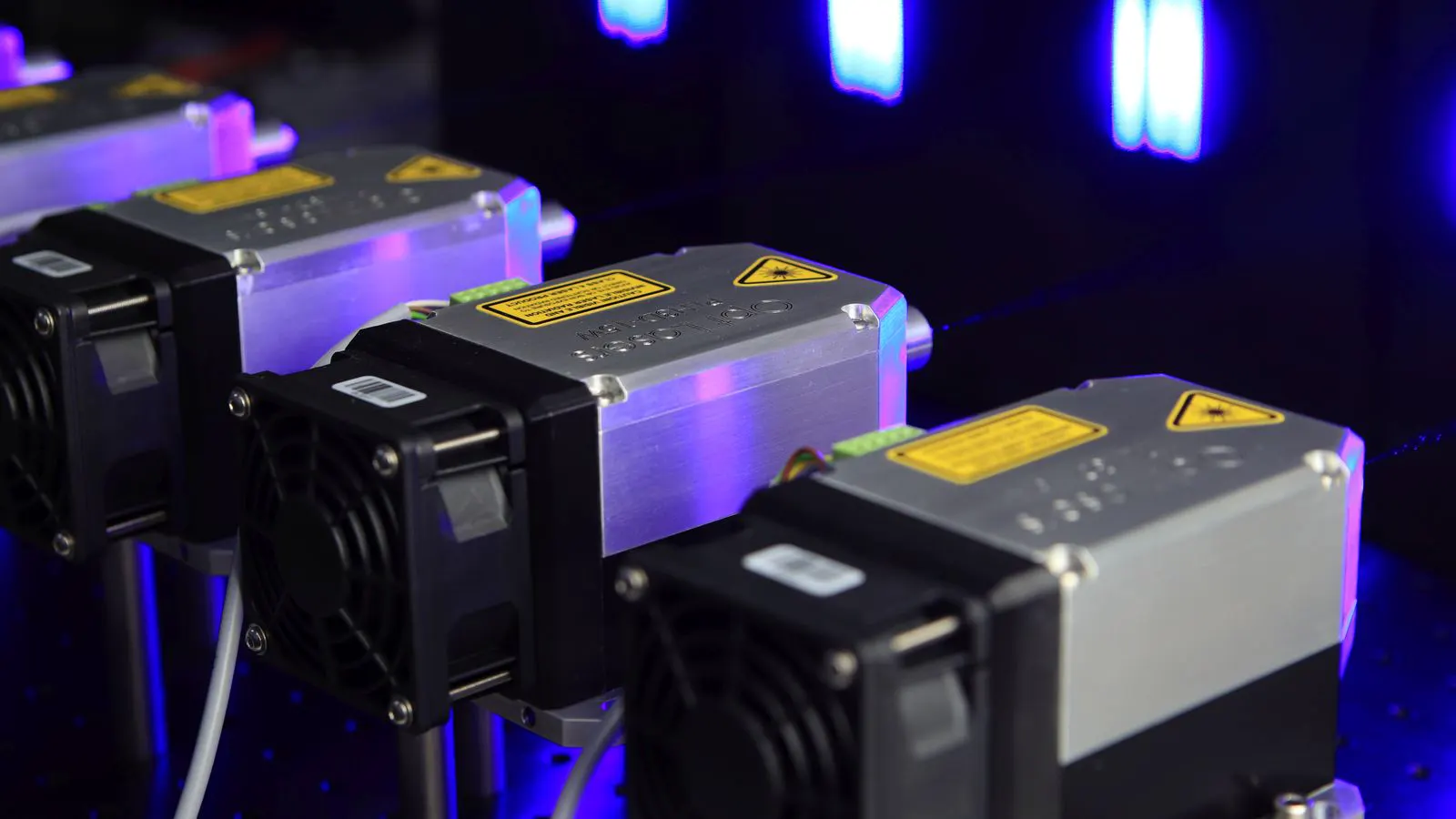
For mid-thickness sheet metal, laser cutting offers superior edge quality and precision, while plasma cutting provides higher speed at lower capital cost. Choose laser for complex profiles and tight tolerances. Choose plasma for high-volume, thicker sections where speed outweighs finish requirements.
- Laser cutting delivers cleaner edges and tighter tolerances for complex shapes in medium-thickness material.
- Plasma cutting is faster and cheaper for thick sections or high-volume production where surface finish is secondary.
- Edge quality determines whether your part needs secondary finishing, which impacts total lead time and cost.
- Material thickness and complexity are the two primary factors in selecting the correct cutting process.
- Always account for kerf width and heat-affected zone when comparing laser versus plasma on the same material.
Where the Decision Starts
Selecting the right cutting method for mid-thickness sheet metal depends on one variable above all others. Is your part a complex gear profile or a large rectangular panel? The geometry dictates the process. A simple rectangle in 10 mm steel can be cut quickly by either laser or plasma. A complex bracket with multiple internal features requires a process that can hold tight tolerances without burning the material.
Mid-thickness usually refers to sections between 3 mm and 12 mm. This range sits in a difficult spot. It is too thick for standard CO2 laser efficiency in some shops, yet too thick for standard oxy-fuel torches. Both laser and plasma handle this range well, but they handle it differently. The decision often hinges on what happens after the cut. If the part goes straight into a press brake, the quality of the edge determines whether the bend will look clean or require finishing. If the part is destined for welding, the edge quality matters far less than the speed of the cut.
How the Two Processes Work
Laser cutting uses a focused beam to vaporize and blow away metal. The beam travels through a gas jet, usually nitrogen, argon, or air. The gas carries the molten material out of the kerf. The process is non-contact. The tool does not touch the sheet. In a fiber laser, the beam is generated by a solid-state laser. The energy is highly concentrated. The resulting heat-affected zone is narrow. The metal melts and boils almost instantly at the point of contact, creating a very fine channel.
Plasma cutting uses an ionized gas stream, often nitrogen or air. The gas creates a high-temperature channel that melts the metal. The gas jet also blows the molten material away. The electrode is close to the workpiece but does not contact it. The beam is wider than a laser. The plasma arc is essentially a controlled arc between the nozzle and the workpiece. The temperature is high, but the energy distribution is less concentrated than a laser. This results in a broader melt pool.
The difference in beam width is the root of most downstream issues. A laser beam is a hair-thin line. A plasma arc is a small stream. That stream leaves a wider kerf and a rougher edge. The plasma arc also tends to have a visible taper on the top of the cut. The bottom edge often has a slight upward taper, which can leave a small lip of unmelted material.
Comparison of Laser vs Plasma
The table below highlights the core trade-offs between the two methods for mid-thickness materials.
| Option | Best for | Limitations |
|---|---|---|
| Fiber Laser | Complex shapes, tight tolerances, thin-to-mid thickness | Higher capital cost, slower on very thick sections |
| CO2 Laser | Mid-thickness steel, consistent edge quality | Slower than fiber on thicker steel, higher maintenance |
| Plasma | High-speed production, thick sections, low budget | Rougher edges, wider kerf, more dross |
| Hybrid Laser/Plasma | Mixed production runs, variable thickness | Complexity in setup, higher machine cost |
Fiber lasers are the standard for high-precision work. They handle mid-thickness steel efficiently. The beam quality is superior for intricate details. CO2 lasers are still common for steel but struggle more as thickness increases. The gas in a CO2 system absorbs energy differently, and the beam control is less precise for very fine features. Plasma remains the workhorse for high-volume, thick material where speed is the priority. Hybrid machines combine both technologies on a single gantry. They allow a shop to switch between processes without moving the material to a second machine. This is useful for shops that handle both delicate stainless steel parts and heavy structural steel.
Edge Quality and Finishing Costs
Edge quality is where the real cost difference shows up. A laser cut produces a smooth, consistent edge. The heat-affected zone is minimal. The part often goes straight to the press brake without grinding or filing. The surface finish is uniform. There is no visible taper on the top surface. The edge is sharp enough to handle, but not so sharp that it presents a safety hazard.
Plasma cutting leaves a rougher edge. The top surface usually has a slight taper. The bottom may have dross or a small burr. Depending on the material and thickness, you may need to deburr or grind the part. This adds labor. It adds time. It changes the lead time. For a large batch of brackets, the cumulative cost of deburring can exceed the savings on the cutting process itself. If the part is painted, the rough edge will show through if not properly prepped. The paint may chip or peel at the cut edge if the dross is not removed.
If your part has a functional fit, such as a bearing seat or a mating surface, laser is usually the safer choice. The tightness of the fit requires a predictable edge. Plasma can produce a fit, but it requires more inspection and finishing. If the part will be welded and the edge will be ground anyway, plasma is perfectly acceptable. The welder will remove the roughness. The cost of the extra grinding is often negligible compared to the speed gained during cutting.
Speed, Kerf, and Tolerance
Speed matters when you are cutting hundreds of parts per shift. Plasma cuts faster than laser for the same material and thickness. The arc is wider, but it moves faster. The power required to maintain the arc allows for higher travel speeds, especially on thicker materials. For a large panel of 12 mm steel, plasma may be significantly quicker. The operator can set a higher speed and the cut remains acceptable for most structural applications.
Kerf width is a design constraint. A plasma kerf is wider than a laser kerf. If you are nesting parts closely together, a wider kerf wastes more material. It reduces the number of parts you can cut from a standard sheet. For a part with many small features, plasma may struggle to hold the size. The arc drifts. The feature becomes smaller than designed. The corner radii become rounded. If the drawing calls for a 1 mm radius, plasma might produce a 2 mm radius. Laser maintains a consistent, narrow kerf. It holds size better. If your drawing calls for a +/- 0.5 mm tolerance on internal features, laser is the practical choice. Plasma is generally less predictable at the small end. The width of the arc makes it difficult to cut features that are close to the edge of the sheet or close to each other.
Cost Considerations Beyond the Machine
The machine price is only one part of the equation. Operating costs differ. Lasers require gas cylinders, lens maintenance, and filter cleaning. The optics are delicate. A single dust particle on the lens can degrade the cut quality. Regular cleaning is required. The laser head is expensive to repair. If a lens is damaged during a crash, the cost can be substantial. Plasma requires consumables such as nozzles and electrodes. Plasma consumables are cheap and easy to change. They are replaced frequently, but the cost per part is low. The nozzle is a wear item. It erodes over time. The electrode wears down. Both are simple parts that any operator can swap.
Energy usage is higher for plasma on thick material. The arc consumes more power to maintain the channel. Lasers are more energy-efficient per centimeter of cut on mid-thickness sections. The laser converts electrical energy into heat more efficiently than the plasma arc. This can lower the electricity bill over time, especially for shops that run long hours.
Labor is another factor. A laser operator can run a complex job with minimal intervention. The machine handles the cutting. The operator monitors the job from a distance. A plasma operator must monitor the arc more closely, especially on thicker material where dross forms. The operator may need to adjust the gas flow or the travel speed to prevent burn-through. If your shop has limited skilled labor, the ease of use matters. Laser machines are more automated. They require less constant attention. This allows a single operator to manage multiple machines or to handle other tasks while the laser cuts.
When to Pick Laser
Choose laser cutting when your part has complex geometry. Think gears, brackets, and brackets with internal windows. If the part requires a clean edge for assembly, laser is the standard. The precision allows for tight fits without extra finishing. If you are cutting stainless or aluminum, laser maintains consistent quality across materials. The beam interacts differently with each material, but the control systems compensate automatically. Plasma can work on these, but the edge quality drops. Stainless steel produces a lot of spatter with plasma. Aluminum is difficult to cut cleanly with plasma because of its low melting point and high reflectivity.
Laser is also the better choice when you are running small batches. The setup time is low. The accuracy is high. You do not need to re-tool for every new shape. The digital file drives the cut. The operator loads the file, aligns the sheet, and starts the job. There is no physical tooling to adjust. This is ideal for prototypes or low-volume production runs. The flexibility of laser cutting allows for quick changes. If the design changes, the file is updated. The part is cut the same way.
When to Pick Plasma
Choose plasma cutting when speed is the priority. If you are cutting large panels or high-volume parts, plasma wins. The machine is cheaper to buy and maintain. It handles thick sections well. The arc can cut through thick steel quickly. If your parts will be welded and the edge will be ground, plasma is a cost-effective choice. The speed reduction in cutting translates to a faster turnaround. The lower machine cost means the initial investment is lower. The maintenance is simpler. The consumables are cheap.
Plasma is also good for rough stock. If you are cutting out raw material for bending or stamping, you do not need a laser-grade edge. You need speed and low cost. Plasma delivers that. It is ideal for cutting large structural plates. It is used in shipbuilding, tank manufacturing, and construction. The parts are large. The tolerances are loose. The edge will be ground or welded. Plasma is the tool of choice in these industries.
Final Selection Criteria
Do not choose based on marketing claims. Look at the actual part. Measure the thickness. Count the features. Check the tolerance. If the part is 6 mm mild steel with a complex profile and tight tolerances, laser is the answer. If the part is 12 mm mild steel with simple shapes and loose tolerances, plasma is likely the better fit.
Consider the downstream process. If the part goes to a welder, the edge finish matters less. If it goes to a press brake, a rough edge can cause issues. The bending die sees the edge. A burr or a taper can affect the bend. The bend may not be square. The edge may tear. A rough edge can also damage the bending die. The burr can chip off and land in the die. This can cause defects in subsequent parts.
Ask your fabricator for a sample cut. Request a cut of your actual material, at your actual thickness, using both methods. Inspect the edge. Measure the kerf. Check the tolerance. This simple test removes most of the guesswork from the decision. You will see the difference in edge quality. You will measure the actual kerf width. You will check if the part fits as required. This practical approach is more valuable than any specification sheet. It gives you a clear picture of what you will receive.
Frequently asked questions
Which cutting method is faster for 10 mm steel?
Plasma is generally faster for 10 mm steel. The wider arc allows for a higher travel speed. Laser is slower but produces a cleaner edge.
Can plasma cut stainless steel?
Yes, plasma can cut stainless steel. It requires nitrogen gas for the best results. The edge quality will be rougher than laser.
What is the maximum thickness for laser cutting?
Modern fiber lasers can cut steel up to 20 mm and more. For mid-thickness sections, the speed drops but quality remains high.
Is laser cutting more expensive than plasma?
Laser cutting usually has a higher per-part cost for thick material. The machine itself is more expensive. However, the lower finishing cost can offset the cutting cost.
How does gas choice affect plasma cutting?
Nitrogen gives a cleaner edge than air for steel. Air is cheaper but leaves more oxidation. Oxygen is used for mild steel but produces a heavy oxide layer.


