Effective sheet metal quality inspection requires a structured approach to verify dimensions, surface finish, and material compliance. This guide outlines the key inspection methods and buyer requirements to ensure your vendor meets project specifications and quality standards.
- Define clear acceptance criteria in your purchase order before production begins
- Use a combination of dimensional checks, visual inspections, and material verification
- Request third-party inspection reports for complex or high-risk components
- Build ongoing quality metrics into your vendor relationship to catch issues early
- Standardize your inspection checklist across all projects to ensure consistency
Why Sheet Metal Quality Inspection Matters for Buyers
Procurement managers face a constant challenge: how to ensure that sheet metal components delivered from vendors meet the exact specifications required for their end product. A single dimensional error can halt assembly lines, while surface defects can compromise product aesthetics or safety. Sheet metal quality inspection is the process of verifying that fabricated components meet predefined standards for dimensions, material properties, surface finish, and functional performance.
Understanding what to inspect and how to verify compliance gives buyers the confidence to make informed purchasing decisions. It also helps establish clear expectations with vendors, reducing the risk of costly rework, returns, or production delays. This guide walks through the essential inspection points and verification methods that procurement teams can use to evaluate sheet metal suppliers and protect their projects.
What Are the Key Inspection Methods for Sheet Metal?
Sheet metal quality inspection typically involves several complementary methods, each targeting different aspects of the component. No single method provides a complete picture, so a robust inspection plan combines multiple approaches based on the criticality of the part.
Dimensional inspection is the most fundamental check. It verifies that all critical measurements, such as overall length, width, hole placement, and bend angles, fall within the specified tolerances. Common tools include digital calipers, micrometers, height gauges, and coordinate measuring machines (CMMs). For complex geometries, three-dimensional scanning may be used to compare the actual part against the digital model.
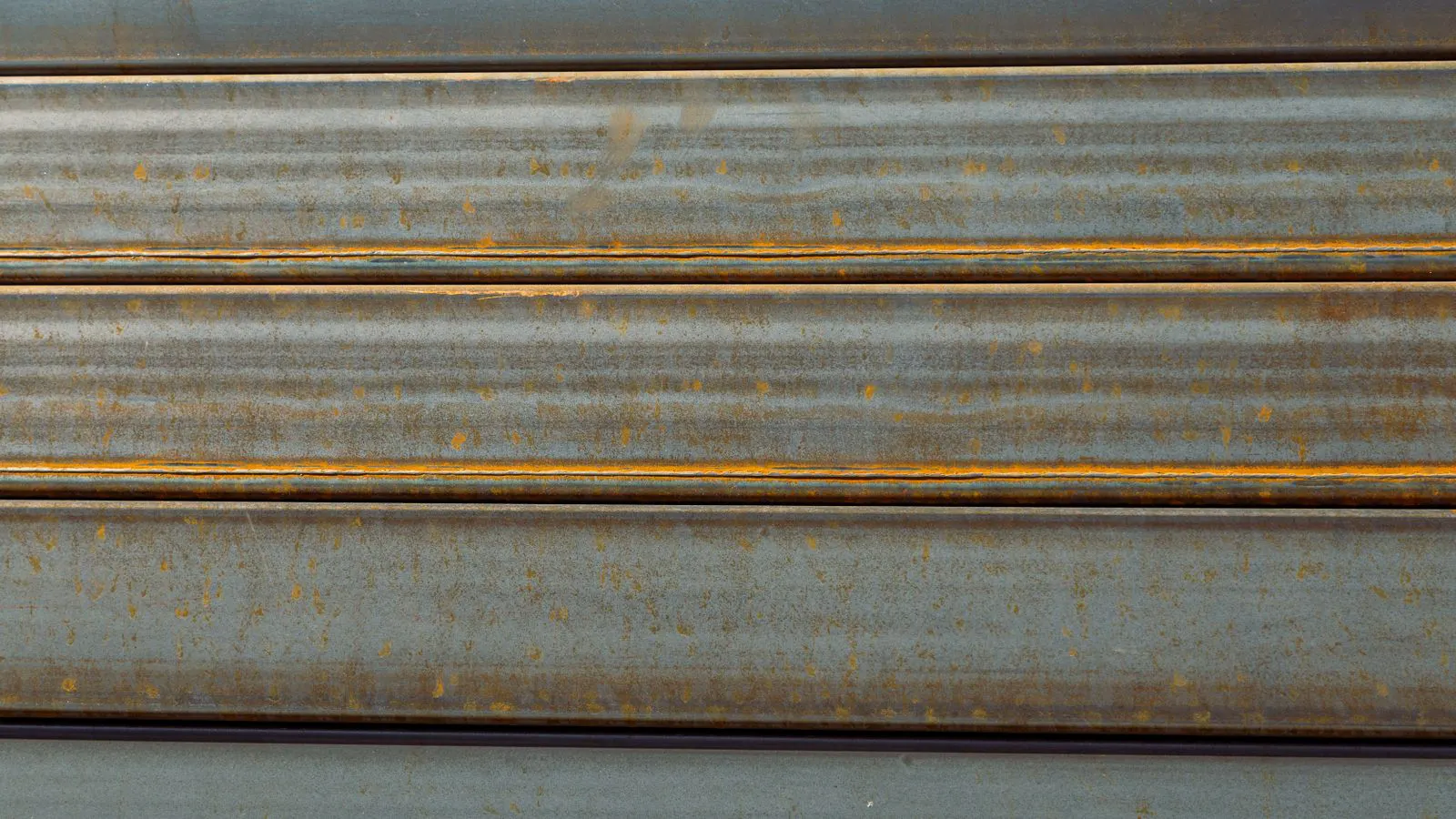
Surface inspection focuses on the condition of the metal’s exterior. This includes checking for scratches, dents, paint defects, corrosion, and other cosmetic or functional imperfections. The required standard depends on the application; a cosmetic housing may demand a higher finish than an internal structural bracket.
Material verification confirms that the correct grade and type of metal were used. This can involve checking mill certificates, performing hardness tests, or conducting chemical analysis. For safety-critical components, material traceability is essential.
Non-destructive testing (NDT) methods, such as dye penetrant or ultrasonic testing, may be used to detect internal or surface flaws without damaging the part. These are more common in high-stakes applications like aerospace or pressure vessels.
How Should Buyers Define Acceptance Criteria?
Clear acceptance criteria are the foundation of any effective inspection process. Without them, both the buyer and the vendor may interpret “good quality” differently, leading to disputes and rework.
When defining criteria, start by identifying the functional requirements of the part. Which dimensions affect fit, function, or safety? Which surface features are visible to the end user? Which material properties are non-negotiable? Document these in your purchase order or technical drawing with explicit tolerances and finish requirements.
For example, instead of writing “tolerance per standard,” specify “±0.1 mm” for critical hole positions. Instead of “good finish,” specify “no visible scratches longer than 5 mm in direct light.” The more specific the language, the easier it is for the vendor to meet and for you to verify.
Include a reference to the applicable industry or international standards where relevant. While you should not invent specific standard numbers if unsure, you can reference the general framework of quality management systems that reputable vendors should follow.
What Should Be Included in a Buyer’s Inspection Checklist?
A structured checklist transforms vague quality expectations into actionable verification steps. The checklist should be tailored to each project but can be built from a core set of checks that apply to most sheet metal components.
- Material Verification: Confirm the metal grade, thickness, and finish (e.g., galvanized, painted, stainless) match the purchase order. Request mill test reports when required.
- Dimensional Checks: Measure all critical dimensions against the drawing, paying special attention to bend angles, hole patterns, and overall envelope.
- Surface Inspection: Examine the part under good lighting for defects that could affect appearance or durability.
- Fit-Check Validation: Where possible, verify that the part fits into the assembly or mating component. This is often the most reliable functional test.
- Documentation Review: Ensure all required certificates, inspection reports, and certificates of conformance are included with the shipment.
The checklist should be used by both the buyer’s receiving team and, where applicable, by a third-party inspector on-site at the vendor’s facility.
How Do You Verify Vendor Compliance and Quality Systems?
A strong inspection process extends beyond the individual part to the vendor’s overall quality management system. A vendor with a robust system is less likely to produce defective parts and more likely to identify and correct issues before they reach your facility.
Ask your vendor about their quality management practices. Do they conduct in-process inspections at critical manufacturing steps? Do they use statistical process control to monitor dimensional consistency over time? Do they have a documented procedure for handling non-conforming material?
Request samples of their inspection reports for similar projects. See how they document measurements, note deviations, and record corrective actions. A well-organized report gives you confidence that their inspection is thorough and repeatable.
Consider conducting a supplier audit for high-value or safety-critical components. An audit allows you to observe their actual practices, interview their quality team, and review their records directly. While not always necessary for every purchase, it is a valuable tool for establishing trust with a new or long-term supplier.
How Can Buyers Manage Quality Over Time?
Quality inspection is not a one-time event; it should be an ongoing part of your supplier relationship. Building a feedback loop into your procurement process helps continuously improve product quality and vendor performance.
Start by establishing a baseline. For your first few orders, conduct more thorough incoming inspections and document any issues found. Share this feedback with the vendor using specific, actionable language. Instead of “the finish was poor,” note “three parts had paint runs on the bottom flange, visible from the front view.”
Track quality metrics over time. Keep records of defect rates, on-time delivery of compliant parts, and responsiveness to quality issues. This data helps you identify trends and make informed decisions about whether to increase volume with a vendor, shift to a new supplier, or implement additional inspection steps.
For critical projects, consider implementing a hold point or third-party inspection. A hold point means production or shipment pauses until a specific inspection is completed and approved. Third-party inspection adds an independent layer of verification, which can be particularly valuable for large or complex jobs.
Decision Checklist for Sheet Metal Quality Inspection
Use this checklist to ensure your sheet metal quality inspection process is comprehensive and aligned with your project needs.
- All critical dimensions and tolerances are specified in the purchase order or drawing
- Surface finish requirements are clearly defined with visual or quantitative criteria
- Material grade and thickness are verified through documentation or physical testing
- A structured inspection checklist is in place and used for every receiving
- Vendor quality management practices are reviewed and understood
- Third-party inspection is arranged for high-risk or safety-critical components
- Quality metrics are tracked over time to identify trends and drive improvements
- A clear feedback process exists for addressing non-conforming shipments
By following this approach, procurement managers can move from reactive defect handling to proactive quality management. A well-structured sheet metal quality inspection process protects your project timelines, controls costs, and builds a reliable supply chain that delivers the components you need, every time.
Frequently asked questions
What is the most common source of quality issues in sheet metal parts?
Dimensional errors, particularly in bend angles and hole placement, are among the most frequent issues. These often stem from tooling wear, operator error, or unclear specifications.
Do I need a third-party inspector for every order?
No. Third-party inspection is most valuable for high-value, safety-critical, or complex components. For routine parts from a trusted vendor, incoming inspection at your facility may be sufficient.
How detailed should my purchase order specifications be?
As detailed as your project requires. For critical components, specify exact tolerances, finish standards, and required documentation. Vague requirements lead to assumptions and disputes.
Can I inspect parts before the vendor ships them?
Yes, on-site inspection is a common practice for large or complex projects. It allows you to catch issues early and reduce the cost of shipping defective parts.
What should I do if a shipment has quality issues?
Document the issue with photos and measurements, notify the vendor promptly, and agree on a corrective action. Keep a record of all communications and outcomes to use as reference for future orders.