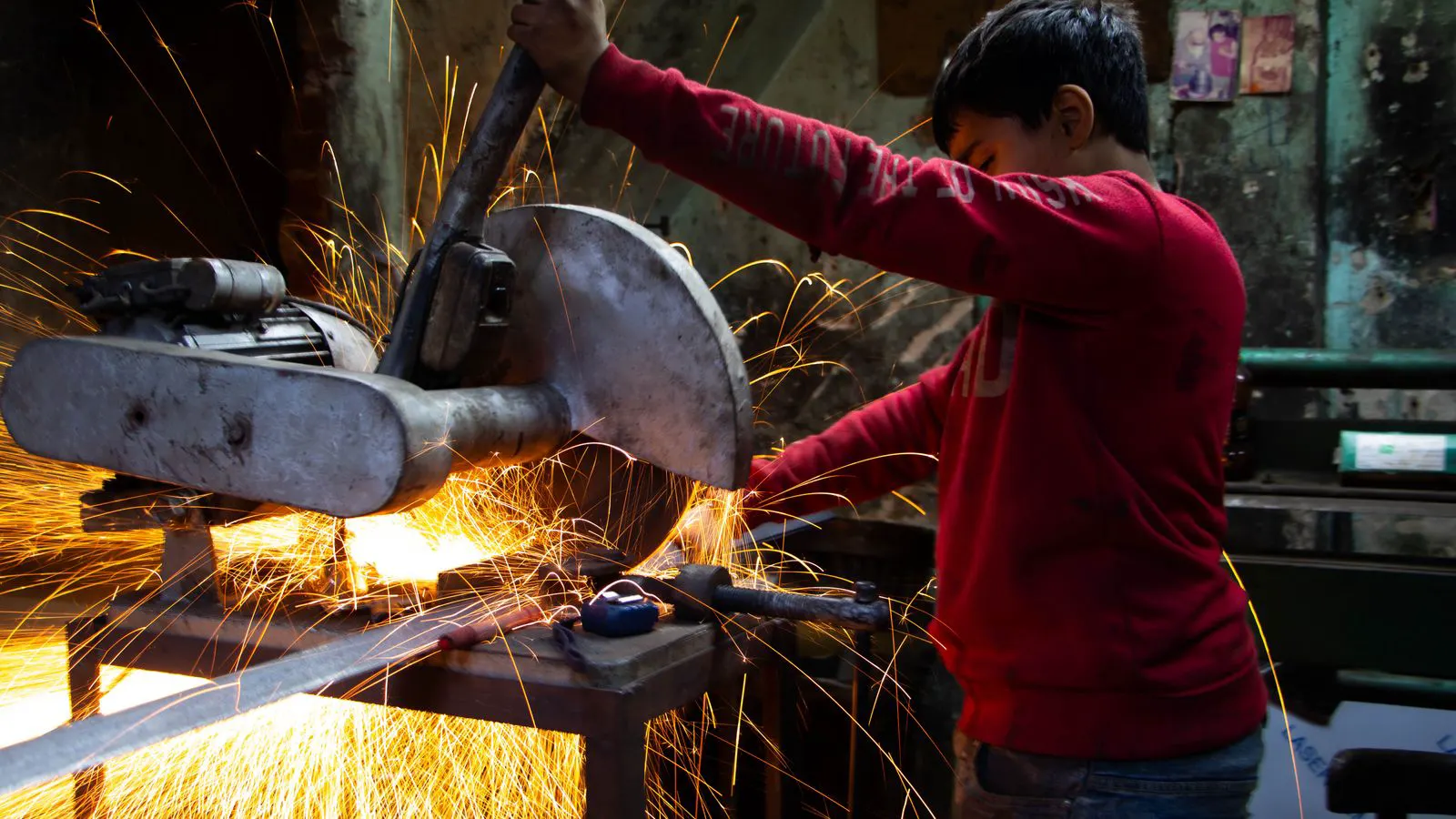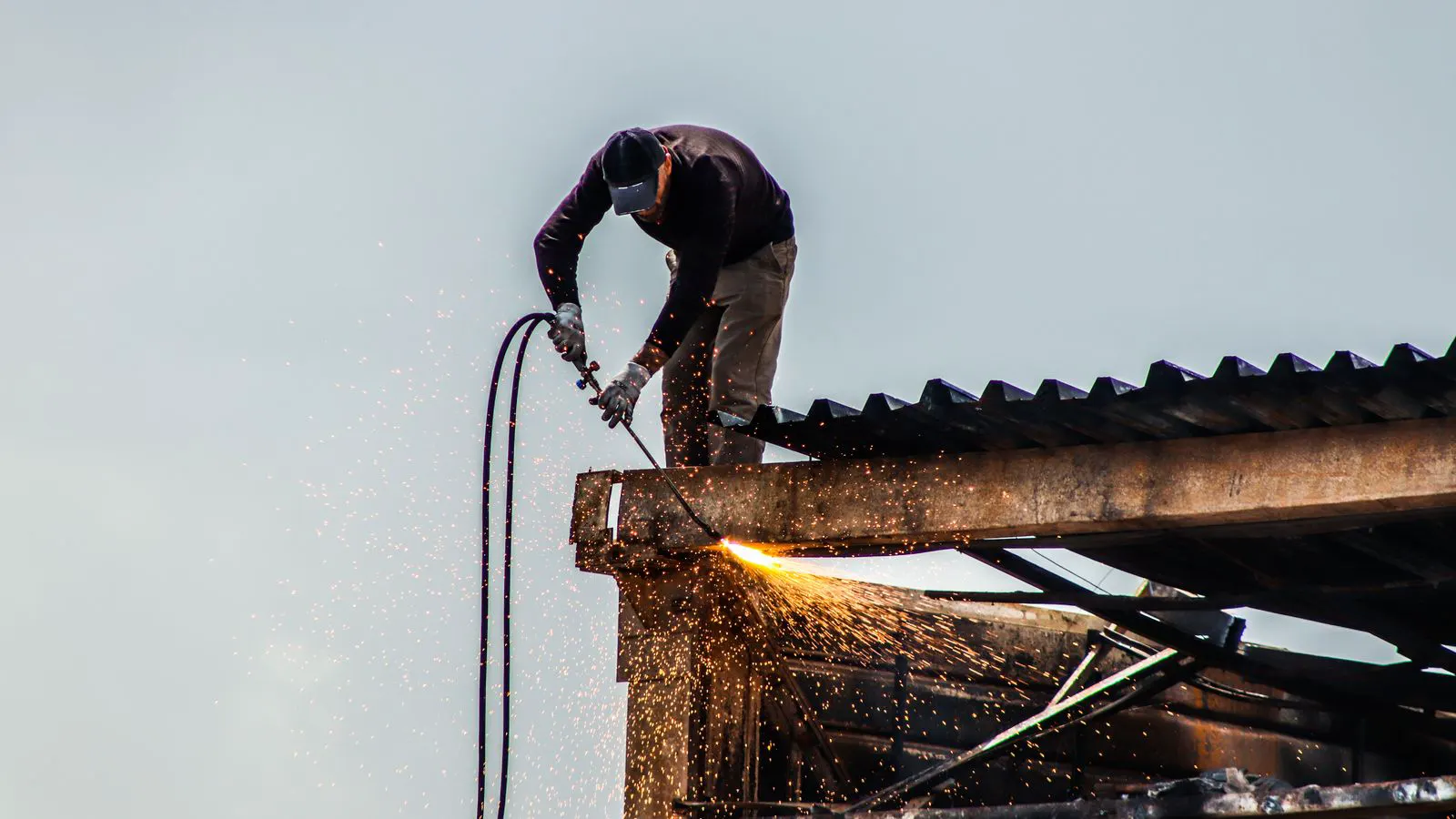
Laser cutting generally produces the cleanest edge for welding, but plasma often handles thick plate faster. The right choice depends on material thickness, fit-up tolerance, and how much weld prep your shop must perform.
- Laser cutting creates a narrow kerf and a smooth edge that needs little grind before welding.
- Plasma cutting works well on thick plate but leaves a rougher edge that often requires grinding or cutting back.
- Fit-up tolerance is the deciding factor. If parts must align tightly, choose the method that leaves the least burr.
- Weld prep time and consumable cost often matter more than the cutting method itself.
- For thin sheet, laser usually wins. For heavy structural plate, plasma may be the practical choice.
What actually matters for welding fit-up
Welders do not care about the cut itself. They care about the edge. A clean edge means the parts align, the root opening stays consistent, and the welder can start the weld without stopping to grind a rough line. A rough edge means the joint gaps unevenly, the filler metal behaves unpredictably, and the welder must spend extra time preparing the edge.
This is why the choice between laser cutting and plasma cutting changes with the downstream process. A part cut by laser may look sharper and cleaner, but if it is going into a high-heat TIG joint on stainless, the edge quality still matters. A part cut by plasma may leave a rougher edge, but if it is going into a thick structural joint with a large gap, the welder may not notice the difference.
The decision usually comes down to three things: material thickness, fit-up tolerance, and how much weld prep the shop can accept.
How laser cutting shapes the edge
Laser cutting uses a focused beam to melt and eject material. The kerf is narrow, and the edge is usually smooth on the top side. The bottom side can show a slight taper, but it is generally cleaner than a plasma cut. The edge is close to the programmed line, which helps when parts must mate with another part.
For thin sheet, laser cutting is often the easier choice. The edge comes out with little or no burr on the top side, and the bottom side may have a small burr that a wire brush or a quick pass with a grinder removes. The welder can start the joint with confidence.
For thicker material, the laser edge can still be clean, but the heat affected zone grows. The top of the cut may show a small heat tint, and the edge may develop a slight discoloration. On stainless steel, this heat tint can affect the finish if the part is visible. The welder may need to grind the heat tint back to reveal the base metal before welding.
How plasma cutting shapes the edge
Plasma cutting uses an electric arc to melt and blow away material. The arc is wider than a laser, so the kerf is wider. The edge is usually rougher, especially on the bottom side. The top side may look acceptable, but the bottom side often has a tapered, rough edge that needs attention.
Plasma cutting handles thick plate well. For structural steel, carbon steel, and other conductive metals, plasma is a common choice because the equipment is widely available and the speed is high for thick material. The edge may not be perfect, but it is often acceptable for a joint that will be welded with a large root opening.
The main issue is fit-up. If two plasma-cut parts must align tightly, the welder will see uneven gaps. The welder may grind one edge, or both edges, to create a consistent opening. That extra work adds cost and time.
When to pick laser for welding
Pick laser cutting when the weld joint must be tight. If the parts are thin sheet, if the joint is a butt joint, or if the welder is doing TIG on stainless, laser usually gives the best edge. The narrow kerf means less material is removed, and the edge is closer to the design line. The welder can start the weld without a long prep session.
Laser is also a better choice when the edge finish affects the final part. If the welded part will be visible, or if the welder needs to grind the heat affected zone, a laser cut gives a cleaner starting point. The welder can focus on the weld itself rather than cleaning the cut edge.
For thin sheet, laser cutting is often the practical choice. The edge comes out clean, the fit-up is good, and the welder can move faster. The cost of laser cutting may be higher per part, but the weld prep time is lower.
When to pick plasma for welding
Pick plasma cutting when the material is thick and the weld joint can tolerate a rougher edge. For heavy structural plate, plasma is often the right tool. The cut is fast, the edge is usable, and the welder can prepare the joint with a grinder. The welder may need to grind the edge, but the joint will still weld well.
Plasma is also a better choice when the welder is using a process that does not require a perfect edge. For example, a thick butt joint with a large root opening may not care whether the edge is perfect. The welder can fill the gap with filler metal, and the roughness of the edge does not matter as much.
For thick carbon steel, plasma is often the practical choice. The edge may be rough, but the welder can grind it smooth. The cost of plasma cutting is often lower than laser cutting for thick material, and the speed is high.
Edge quality comparison for common welding tasks
| Option | Best for | Limitations |
|---|---|---|
| Laser cutting | Thin to medium sheet, TIG joints, tight fit-up | Higher cost per part, slower on very thick plate, heat affected zone on stainless |
| Plasma cutting | Thick plate, structural joints, MIG welding | Rougher edge, wider kerf, more weld prep required |
| Waterjet cutting | Non-conductive materials, no heat affected zone | Higher cost, slower, edge may still need cleanup |
How weld prep changes the decision
The welder’s prep work can change the cost of the project. A laser cut may require only a light grind on the bottom burr. A plasma cut may require a full grind on the edge. The welder may spend more time on a plasma cut than on a laser cut, even if the laser part costs more to cut.
For a thin sheet part, the difference is small. The welder can clean both edges quickly. For a thick plate part, the difference is larger. A plasma cut may need a long grind, and the welder may need to remove the heat tint from the top edge. The laser cut may still need a grind, but it is usually shorter.
The welder also cares about the bevel. If the part needs a bevel for welding, the cutting method affects how the bevel is made. A laser cut can produce a straight edge that is easier to bevel. A plasma cut may produce a rough edge that is harder to bevel consistently. The welder may need to grind the bevel by hand, which adds time.
What to check before choosing a cutting method
Before choosing between laser and plasma, the fabricator should look at the drawing and the weld specification. The drawing will show the material thickness, the joint type, and the fit-up tolerance. The weld specification will show the weld process, the filler metal, and the acceptance criteria.
The fabricator should also look at the part geometry. A part with many thin features may be better cut by laser because the edge is cleaner. A part with thick plate and large joints may be better cut by plasma because the speed is higher. The fabricator should ask the welder what edge condition the welder prefers.
The fabricator should also consider the downstream processes. If the part will be bent, the cutting method affects the bend line. If the part will be painted, the edge finish affects the paint coverage. If the part will be inspected, the edge finish affects the inspection.
Cost and lead time considerations
Cost is not just the cutting cost. It includes the weld prep cost, the inspection cost, and the rework cost. A laser cut may cost more per part, but the weld prep cost is lower. A plasma cut may cost less per part, but the weld prep cost is higher.
Lead time matters too. Laser cutting is often faster for thin sheet. Plasma cutting is often faster for thick plate. The fabricator should look at the overall lead time, not just the cutting time. A laser cut may take longer to program, but the cutting time is shorter. A plasma cut may take less time to program, but the cutting time is longer for thin sheet.
The fabricator should also consider the equipment. Laser cutting requires a laser machine, which is more expensive to run. Plasma cutting requires a plasma machine, which is cheaper to run. The fabricator should choose the method that fits the shop’s equipment and the project’s requirements.
Final recommendation
Choose laser cutting when the weld joint is tight, the material is thin, or the edge finish matters. Choose plasma cutting when the material is thick, the weld joint can tolerate a rougher edge, or the cost is the main concern. The best method is the one that gives the welder the best edge condition for the specific joint.
The welder will tell you what they need. If the welder says they need a clean edge, choose laser. If the welder says they can grind the edge, choose plasma. The cutting method should serve the weld, not the other way around.
Frequently asked questions
Which cutting method gives the cleanest edge for TIG welding?
Laser cutting usually gives the cleanest edge for TIG welding. The narrow kerf and smooth edge reduce the amount of grinding the welder must do before starting the joint.
Can plasma-cut parts be welded without extra prep?
Yes, but it depends on the joint. A thick plate joint with a large root opening may weld well with a plasma cut. A tight joint may need grinding to create a consistent gap.
Does the heat affected zone matter for welding?
It can. On stainless steel, the heat affected zone may need to be ground back to reveal the base metal. On carbon steel, the heat tint is usually less of an issue, but it can affect the finish.
Which method is faster for thick plate?
Plasma cutting is usually faster for thick plate. The arc can melt and blow away material quickly, making it a good choice for heavy structural work.
Should I choose based on cost alone?
No. Cost includes cutting, weld prep, inspection, and rework. A cheaper cut may cost more if it requires extra grinding or causes a weld defect.