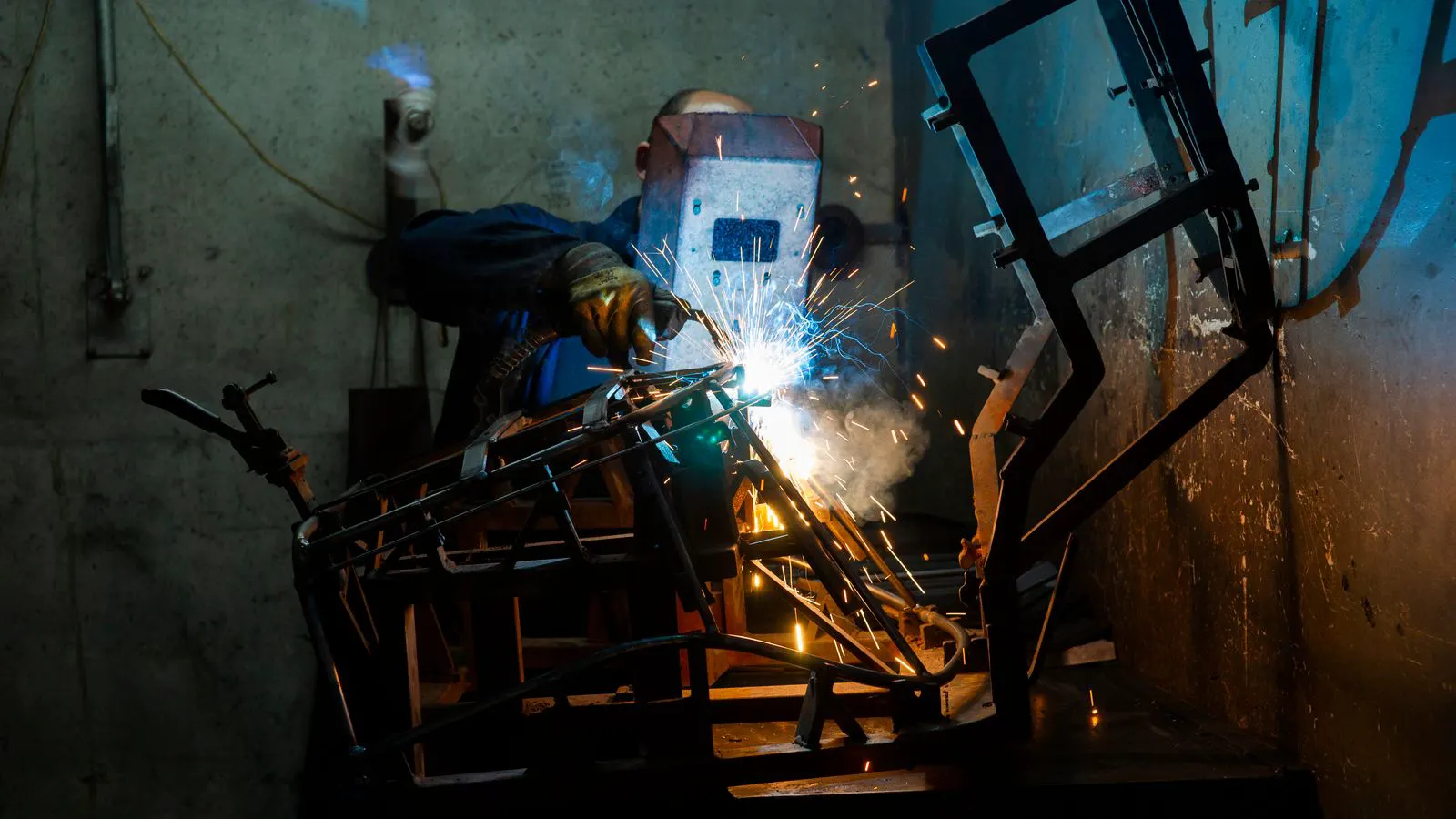
NRE costs cover one-time design and prototyping work, while tooling fees cover durable equipment. Comparing these items requires a clear RFQ that separates non-recurring and recurring pricing to evaluate total cost and delivery time.
- NRE costs are non-recurring engineering fees for design, prototyping, and approval, distinct from ongoing manufacturing charges.
- Tooling fees cover the creation or modification of dies, fixtures, and jigs, which can affect unit price and schedule.
- A clear RFQ that separates one-time and recurring costs makes it easier to compare quotes from different fabricators.
- Setup charges and first article cost vary by job complexity and should be itemized to avoid hidden pricing.
- Lead time depends on tooling availability, design approval, and capacity, not just the quoted unit price.
What NRE Costs Cover in Sheet Metal Work
NRE costs are the upfront fees a fabricator charges for engineering work that does not repeat once a part is in production. This includes interpreting your drawings, performing design for manufacturability, creating CAM programs, and building or testing a prototype. The fee covers labor and materials, not the final production run.
In many projects, NRE appears as a lump sum or an hourly rate tied to specific tasks. For a simple flat bracket, the engineering effort may be minimal, but for a complex enclosure with multiple pressings, welds, and surface finishes, the cost rises quickly. The difference often comes down to the number of revisions, the level of detail in the source drawing, and the need for coordination between multiple processes.
A common mistake is treating NRE as a one-time line item without understanding what it includes. If the quote does not specify whether the fee covers a first article inspection, a tolerance check, or a revision cycle, the price can change after the initial estimate. Ask the fabricator to define the scope in writing. List the deliverables. Ask whether the NRE fee includes the design of a prototype, or only the analysis of an existing drawing.
How Tooling Fees Differ from Setup Charges
Tooling fees are the costs associated with creating or modifying the physical equipment needed to make a part. This includes forming dies, bending fixtures, laser cutters, and welding jigs. A die for a press brake operation is a form of tooling. A custom fixture that holds a part during welding is tooling. These assets are durable and can be reused across multiple orders.
Setup charges are different. They cover the time and labor needed to prepare a machine for production. This includes loading tooling, running test pieces, and verifying dimensions. A setup charge may be lower than a tooling fee, but it applies every time a changeover occurs. If you run a small batch, the setup cost can be a large percentage of the total. For a large production run, the setup cost is spread over many units and becomes negligible.
The distinction matters when comparing quotes. One fabricator may charge a high tooling fee but a low setup charge because the tool is already in place. Another may charge a low tooling fee but a high setup charge because the tool must be built and installed for each run. You need to see both numbers to understand the total cost.
First Article Cost and Its Impact on Scheduling
First article cost covers the production of a single unit or a small batch for inspection and approval. It includes material, labor, and testing. The result is a physical part that you can measure and accept. This step is separate from the NRE phase, which is about design and planning.
First article cost can be higher than a production unit because the process is not optimized. The machine is being dialed in. The operator is checking dimensions against the drawing. There may be scrap from the initial runs. The cost is also tied to lead time. If the first article is rejected, the clock resets. The fabricator must revise the process, and the delivery date moves.
A clear RFQ should specify whether the first article is included in the NRE fee or charged separately. Some fabricators bundle it. Others quote it as a separate line item. If it is separate, ask whether the cost is credited back against the production run. This reduces the net cost and simplifies the financial model.
How to Write a Clear RFQ for Cost Comparison
A clear RFQ separates non-recurring costs from recurring costs. This allows you to compare quotes from multiple fabricators without confusion. List the material, thickness, quantity, and finish. Include the drawing number and revision. State the required tolerance and surface finish.
Include a section for one-time costs. List NRE, tooling, and first article separately. Then list recurring costs. List the unit price, setup charge, and any per-order fees. Ask for a lead time that includes tooling lead time, production time, and inspection time.
If the part requires multiple processes, break the RFQ into stages. For example, list the laser cutting, press forming, welding, and powder coating separately. This makes it easier to see where the cost is concentrated. It also helps you identify where you might change the design to reduce cost.
How to Compare Quotes Fairly
Do not compare the unit price alone. A low unit price may come with a high tooling fee or a long lead time. Look at the total cost of ownership. This includes the NRE fee, the tooling fee, the first article cost, the unit price, and the setup charge.
Also consider the lead time. A fabricator with a shorter lead time may charge more for the tooling because they have higher utilization. A fabricator with a longer lead time may offer a lower price because they have more capacity. The difference in delivery time can be worth more than the difference in price, especially if the part is needed for a project deadline.
Ask for a breakdown of the quote. If a fabricator provides a single number, ask them to itemize it. You should be able to see the labor, material, and overhead. This makes it easier to identify where the cost is coming from. It also gives you use in negotiations.
Cost Drivers and Their Effect on Lead Time
The table below lists the main cost drivers and their impact on price and delivery.
| Cost Driver | Description | Impact on Price | Impact on Lead Time |
|---|---|---|---|
| NRE Costs | Design, prototyping, and engineering labor | High for complex parts | Adds time for design approval |
| Tooling Fees | Creation of dies and fixtures | High initial cost | Adds time for tool manufacturing |
| Setup Charges | Machine preparation and changeover | Moderate to low | Adds changeover time |
| First Article Cost | Production and inspection of a sample | Moderate | Adds inspection and approval time |
| Material Cost | Raw material and finishes | Varies with material and finish | Affects procurement time |
| Labor Cost | Machine operation and assembly | Varies with complexity | Affects production speed |
Each of these drivers affects the total cost and the schedule. A change in one area can affect the others. For example, a change in the drawing can increase NRE costs and delay the tooling process. A change in the material can increase the material cost and affect the lead time for procurement.
Managing NRE and Tooling in Practice
Start by defining the scope of the engineering work. Decide what needs to be done before production. If the drawing is complete and the part is simple, the NRE cost may be low. If the part is complex or the drawing is incomplete, the NRE cost will be higher.
Next, decide how much tooling you need. A custom tool is more expensive but can reduce the unit price. A standard tool is cheaper but may not fit your part. The choice depends on the volume and the design.
Finally, plan the schedule. Include the time for NRE, tooling, first article, and production. Add a buffer for revisions and inspections. This gives you a realistic delivery date. It also helps you avoid surprises when the part is needed.
By separating NRE costs from tooling fees and setup charges, you get a clearer picture of the total cost and the lead time. This allows you to make informed decisions and compare quotes fairly. It also helps you negotiate with the fabricator and control the project budget.
Frequently asked questions
What is the difference between NRE costs and tooling fees?
NRE costs cover engineering and design work that is one-time, while tooling fees cover the creation of durable equipment like dies and fixtures.
How does first article cost affect the lead time?
First article cost includes the time for production and inspection. If the part is rejected, the lead time extends because the process must be revised.
Should I ask for NRE costs to be itemized in the RFQ?
Yes. Itemizing NRE costs helps you understand what is included and makes it easier to compare quotes from different fabricators.
Can tooling fees be recovered over multiple orders?
Yes. The tooling fee is a one-time cost. If you order multiple times, the tooling cost is spread over the total number of units.
How does setup charge affect the unit price?
Setup charge is a one-time cost per order. For small batches, it can be a large percentage of the unit price. For large batches, it is spread over many units.


